Wanda Sykes Slams “Lazy” Sexist and Racist Jokes in Kevin Hart Netflix Roast She Turned Down
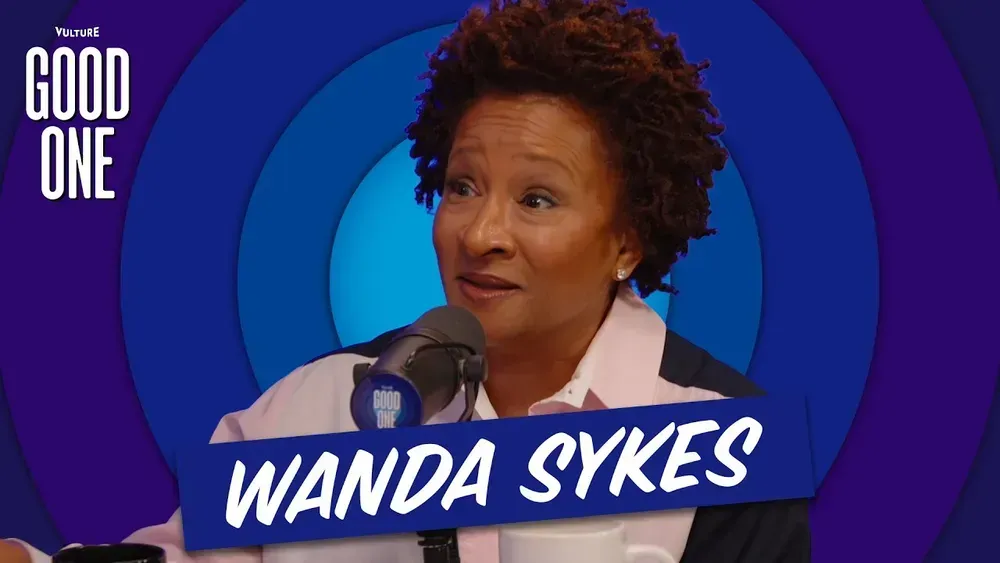
Photo Credit: Good One Pod
by Chris Tremblay Jun 12
5 MIN READ
Wanda Sykes has revealed that she declined an invitation to participate in Netflix’s recent Roast of Kevin Hart, describing the material in the special as “just lazy, lazy writing.” In a conversation on Vulture’s “Good One” podcast, Sykes said she watched enough of the roast after the fact to feel “thank goodness” she had stayed away.
Sykes recounted that Hart, a longtime friend and collaborator, personally called her before the roast was announced to ask her to take part. According to her, she responded immediately, “No,” even as Hart suggested the special could help promote her own new stand‑up project.
Sykes said she ultimately chose to attend a Los Angeles Sparks WNBA game rather than appear at or watch the live roast, joking that she “consumed enough” of the Netflix special later to be relieved by that decision. She framed her choice not as a personal rejection of Hart himself but as a judgment about the quality and substance of the jokes on display.
Sykes’ central complaint was that the roast leaned heavily on material she viewed as “recycled sexist, racist, gay jokes,” rather than original or sharply constructed comedy. She linked her critique of the Hart special to similar concerns about Netflix’s earlier live roast of retired NFL star Tom Brady, saying it felt like the same narrow set of stereotypes being mined again.
On ABC’s “The View,” Sykes expanded on that point, arguing that the question for comedians at a roast should not be whether they are “going too far” but simply, “Is it funny?” She said that jokes built around misogynistic or racist tropes can still fail on their own terms if they do not deliver genuine laughs or insight.
Sykes’ remarks carry particular weight given her long‑standing support for LGBTQ+ communities and her own identity as a queer Black woman, which she has referenced explicitly in other recent high‑profile appearances. At this year’s Golden Globes, she opened a comedy segment by joking that some people were upset “a queer Black woman is up here doing the job of two mediocre white guys,” signaling her awareness of how gender, race, and sexuality intersect in comedy and entertainment.
One specific target of Sykes’ criticism has been a George Floyd‑related joke delivered during the Hart roast, which she said “was not funny” and “wasn’t even a joke.” The bit, performed by another comedian on the dais, invoked Floyd’s murder at the hands of Minneapolis police, prompting pushback from viewers and several fellow entertainers.
Sykes told “The View” that dragging “dead people” into roast material in this way crossed an obvious line not because it was taboo, but because the attempt at humor simply did not land. She emphasized that successful roast jokes should sharpen the audience’s focus on the public figure being celebrated or skewered, rather than recycling trauma involving people who were killed.
The George Floyd joke sparked a wider debate about what counts as acceptable subject matter in televised comedy, especially on major platforms like Netflix. According to the Los Angeles Times, Hart later addressed criticism of the bit, linking it to similar backlash that accompanied some jokes in the Tom Brady roast, where performers also drew on racism, misogyny, and anti‑LGBTQ+ themes for shock value.
Sykes’ recent comments arrive against the backdrop of Hart’s public reckoning over his past anti‑LGBTQ+ jokes, which resurfaced in 2018 after he was announced as host of the Academy Awards. In an April 2024 “60 Minutes” interview, Hart said Sykes was one of the friends who helped him understand how those earlier punchlines had caused harm.
Hart recalled Sykes telling him that “there’s people that are being hurt today because of comments like the ones that you made then, and there’s people that were saying it’s OK to make those comments today based off of what you did then.” He described that conversation as a “light bulb” moment that made it “impossible to ignore” the continuing impact of jokes that target lesbian, gay, bisexual, transgender, queer, and other sexually and gender diverse people.
Sykes herself has publicly criticized homophobic material before, including Hart’s earlier stand‑up jokes that referenced violence against gay men. Speaking at the 2019 Women in the World Summit, she noted that she personally knows young queer people who have been abused or kicked out of their homes, saying that made it even harder to see humor in jokes that frame harm to LGBTQ+ people as a punchline.
That history underscores why Sykes’ recent objections to the Hart roast focus not just on comedic craftsmanship but on the social implications of material built on sexist, racist, and homophobic stereotypes. As a prominent out comedian, she has repeatedly argued that jokes targeting marginalized communities—whether women, Black people, or LGBTQ+ people—carry real‑world consequences for those who already face discrimination.
Sykes’ critique joins a growing chorus of comedians and viewers who question whether televised roasts have become overly reliant on shock humor at the expense of originality. Entertainment Weekly reported that Sykes “feels fortunate” to have skipped Hart’s roast and sees the current crop of specials as emblematic of a “rehashed” approach that mistakes cruelty or offensiveness for creativity.
Other comedians have taken different positions, with some defending the roast format as a space where any topic can be fair game, provided the jokes are sharp enough. In coverage of the backlash, Reality Tea noted that podcaster Joe Rogan criticized entertainers who objected to the Hart roast, framing them as “traitors” to the idea of unrestrained comedy.
At the same time, Sykes has used her own high‑profile stages to model a different style of sharp‑edged humor, one that centers targets with power rather than people from marginalized groups. At the Golden Globes, she roasted fellow nominees including Hart, Bill Maher, and Ricky Gervais while also joking that, if Gervais won, he would “thank God and the trans community,” a pointed reference to criticism of Gervais’ jokes about transgender people.
Her approach reflects an ongoing shift in parts of the comedy world toward affirming, person‑first language and away from punchlines that hinge on demeaning women, people of color, or LGBTQ+ communities. For queer and trans viewers, Sykes’ recent comments about the Hart roast signal support for comedic spaces where their identities are not treated as lazy shorthand for ridicule.
Netflix’s Hart and Brady roasts were designed as tentpole live comedy events, drawing substantial promotional campaigns and international streaming reach. The controversy sparked by specific jokes and Sykes’ subsequent comments raises questions about how future roasts might evolve, particularly when those specials feature globally recognized stars and diverse audiences.
For marginalized communities, including LGBTQ+ people and Black women, the debate is not only about taste but about who bears the brunt of the “jokes” when major platforms reward material that leans on slurs or stereotypes. Sykes’ decision to decline Hart’s roast and speak out about “lazy writing” positions her as one of the highest‑profile voices pushing for roasts that punch up, rather than down, while still taking full advantage of the format’s potential for biting, boundary‑testing humor.
Sykes said she ultimately chose to attend a Los Angeles Sparks WNBA game rather than appear at or watch the live roast, joking that she “consumed enough” of the Netflix special later to be relieved by that decision. She framed her choice not as a personal rejection of Hart himself but as a judgment about the quality and substance of the jokes on display.
Critique of sexist, racist, and homophobic punchlines
Sykes’ central complaint was that the roast leaned heavily on material she viewed as “recycled sexist, racist, gay jokes,” rather than original or sharply constructed comedy. She linked her critique of the Hart special to similar concerns about Netflix’s earlier live roast of retired NFL star Tom Brady, saying it felt like the same narrow set of stereotypes being mined again.
On ABC’s “The View,” Sykes expanded on that point, arguing that the question for comedians at a roast should not be whether they are “going too far” but simply, “Is it funny?” She said that jokes built around misogynistic or racist tropes can still fail on their own terms if they do not deliver genuine laughs or insight.
Sykes’ remarks carry particular weight given her long‑standing support for LGBTQ+ communities and her own identity as a queer Black woman, which she has referenced explicitly in other recent high‑profile appearances. At this year’s Golden Globes, she opened a comedy segment by joking that some people were upset “a queer Black woman is up here doing the job of two mediocre white guys,” signaling her awareness of how gender, race, and sexuality intersect in comedy and entertainment.
The George Floyd joke and the limits of “edgy” comedy
One specific target of Sykes’ criticism has been a George Floyd‑related joke delivered during the Hart roast, which she said “was not funny” and “wasn’t even a joke.” The bit, performed by another comedian on the dais, invoked Floyd’s murder at the hands of Minneapolis police, prompting pushback from viewers and several fellow entertainers.
Sykes told “The View” that dragging “dead people” into roast material in this way crossed an obvious line not because it was taboo, but because the attempt at humor simply did not land. She emphasized that successful roast jokes should sharpen the audience’s focus on the public figure being celebrated or skewered, rather than recycling trauma involving people who were killed.
The George Floyd joke sparked a wider debate about what counts as acceptable subject matter in televised comedy, especially on major platforms like Netflix. According to the Los Angeles Times, Hart later addressed criticism of the bit, linking it to similar backlash that accompanied some jokes in the Tom Brady roast, where performers also drew on racism, misogyny, and anti‑LGBTQ+ themes for shock value.
Hart’s history with anti‑LGBTQ+ jokes and Sykes’ earlier intervention
Sykes’ recent comments arrive against the backdrop of Hart’s public reckoning over his past anti‑LGBTQ+ jokes, which resurfaced in 2018 after he was announced as host of the Academy Awards. In an April 2024 “60 Minutes” interview, Hart said Sykes was one of the friends who helped him understand how those earlier punchlines had caused harm.
Hart recalled Sykes telling him that “there’s people that are being hurt today because of comments like the ones that you made then, and there’s people that were saying it’s OK to make those comments today based off of what you did then.” He described that conversation as a “light bulb” moment that made it “impossible to ignore” the continuing impact of jokes that target lesbian, gay, bisexual, transgender, queer, and other sexually and gender diverse people.
Sykes herself has publicly criticized homophobic material before, including Hart’s earlier stand‑up jokes that referenced violence against gay men. Speaking at the 2019 Women in the World Summit, she noted that she personally knows young queer people who have been abused or kicked out of their homes, saying that made it even harder to see humor in jokes that frame harm to LGBTQ+ people as a punchline.
That history underscores why Sykes’ recent objections to the Hart roast focus not just on comedic craftsmanship but on the social implications of material built on sexist, racist, and homophobic stereotypes. As a prominent out comedian, she has repeatedly argued that jokes targeting marginalized communities—whether women, Black people, or LGBTQ+ people—carry real‑world consequences for those who already face discrimination.
A broader debate over roasts, “lazy writing,” and inclusion
Sykes’ critique joins a growing chorus of comedians and viewers who question whether televised roasts have become overly reliant on shock humor at the expense of originality. Entertainment Weekly reported that Sykes “feels fortunate” to have skipped Hart’s roast and sees the current crop of specials as emblematic of a “rehashed” approach that mistakes cruelty or offensiveness for creativity.
Other comedians have taken different positions, with some defending the roast format as a space where any topic can be fair game, provided the jokes are sharp enough. In coverage of the backlash, Reality Tea noted that podcaster Joe Rogan criticized entertainers who objected to the Hart roast, framing them as “traitors” to the idea of unrestrained comedy.
At the same time, Sykes has used her own high‑profile stages to model a different style of sharp‑edged humor, one that centers targets with power rather than people from marginalized groups. At the Golden Globes, she roasted fellow nominees including Hart, Bill Maher, and Ricky Gervais while also joking that, if Gervais won, he would “thank God and the trans community,” a pointed reference to criticism of Gervais’ jokes about transgender people.
Her approach reflects an ongoing shift in parts of the comedy world toward affirming, person‑first language and away from punchlines that hinge on demeaning women, people of color, or LGBTQ+ communities. For queer and trans viewers, Sykes’ recent comments about the Hart roast signal support for comedic spaces where their identities are not treated as lazy shorthand for ridicule.
What comes next for roasts and representation
Netflix’s Hart and Brady roasts were designed as tentpole live comedy events, drawing substantial promotional campaigns and international streaming reach. The controversy sparked by specific jokes and Sykes’ subsequent comments raises questions about how future roasts might evolve, particularly when those specials feature globally recognized stars and diverse audiences.
For marginalized communities, including LGBTQ+ people and Black women, the debate is not only about taste but about who bears the brunt of the “jokes” when major platforms reward material that leans on slurs or stereotypes. Sykes’ decision to decline Hart’s roast and speak out about “lazy writing” positions her as one of the highest‑profile voices pushing for roasts that punch up, rather than down, while still taking full advantage of the format’s potential for biting, boundary‑testing humor.
Copyright EDGE Media Network. All rights reserved. This material may not be published, broadcast, rewritten, or redistributed.