Kesha Recalls Going to Prom with the Only Openly Gay Boy in Her School — and Keeping Her Promise to “Make a Place for People Like Us”
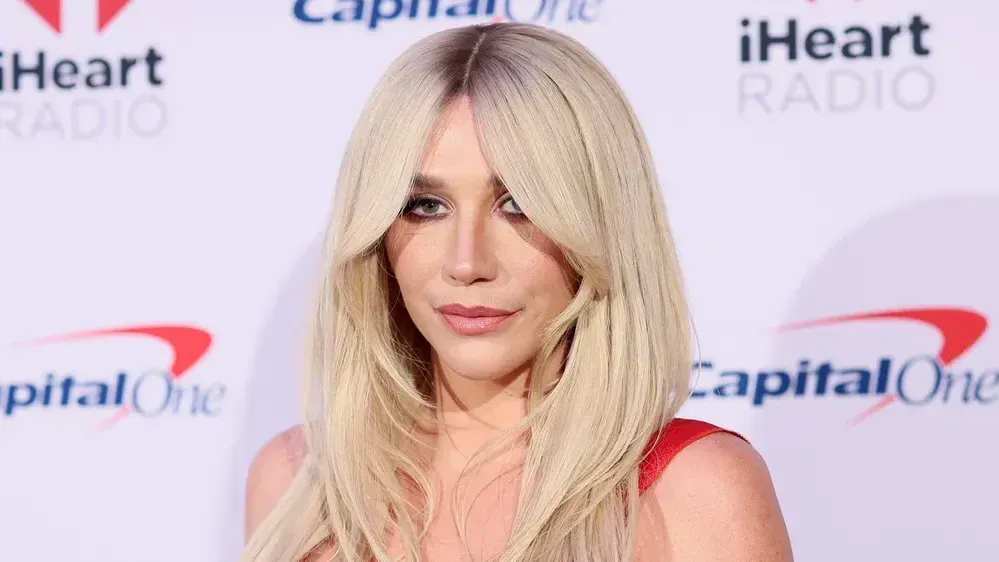
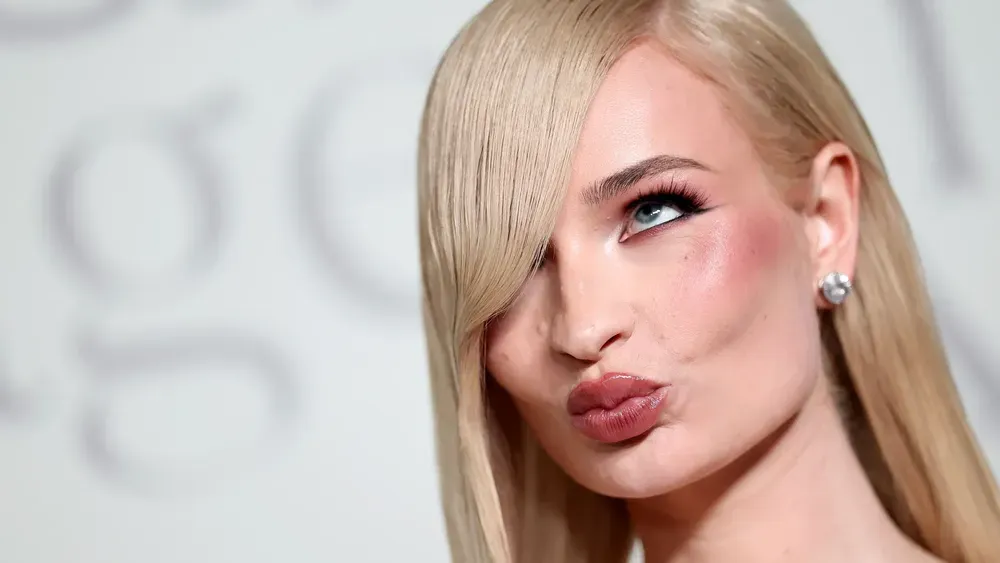
WASHINGTON, DC - DECEMBER 17: Kesha attends iHeartRadio Hot 99.5's Jingle Ball 2024 Presented By Capital One at Capital One Arena on December 17, 2024 in Washington, DC. Photo Credit: (Photo by Jemal Countess/Getty Images for iHeartRadio)
Kesha says a pivotal part of her lifelong connection to queer community began not on a stage, but at a high school prom where she showed up on the arm of the only openly gay boy in her entire school. In a recent interview, she explains that the two felt like outsiders together and that night she made him a promise: if her music career ever took off, she would “make a space for people like me and you.”
From drag-bar awakening to queer “home”
Kesha links that prom memory to another early turning point: her first time at a drag show, which she calls a “queer awakening” and the inspiration behind her debut-era track “Take It Off.” She says discovering a drag space at a young age showed her a world of playful, defiant joy where she finally felt like she belonged and saw the blueprint for the kind of community she wanted to nurture through her art.
In a separate, wide-ranging conversation, Kesha remembers searching for spiritual and social belonging while growing up in Nashville, including dragging her mother from church to church in hopes of finding a community that did not condemn queer love. When religious spaces framed same-sex love as sinful, she says she felt alienated and confused, questioning how any form of love could be “against God” if God is defined as love.
She recounts that she eventually found a different kind of sanctuary in punk and drag scenes, particularly at a punk rock drag bar in California where she remembers thinking, “Oh shit, these are my people,” because the joy she saw there felt both rebellious and hard-won. That experience of queer nightlife as a site of resistance and solidarity now directly shapes the “queer church” atmosphere she says she wants to cultivate on tour.
Building “a place for people like us” on The Freedom Tour
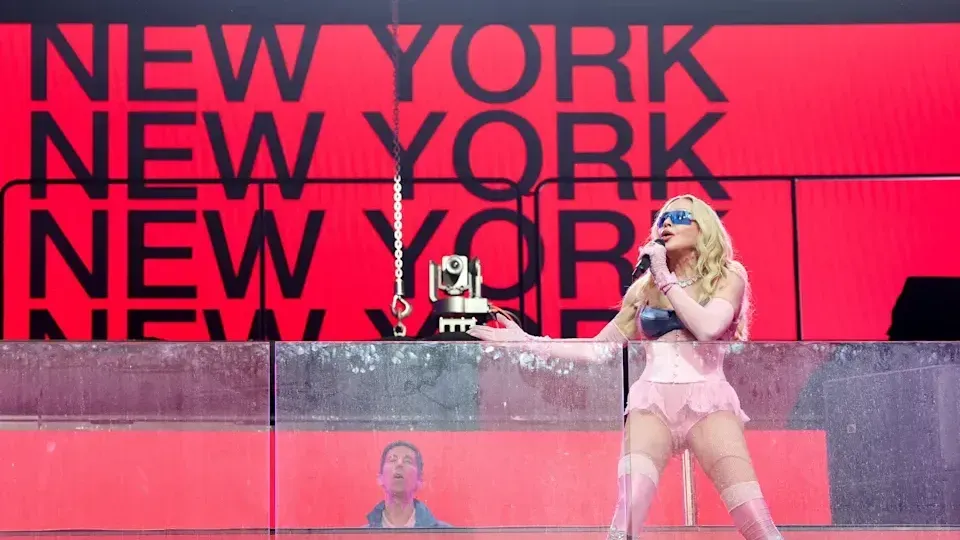
Kesha’s current Freedom Tour is the most explicit expression yet of that prom-night promise to build a place for people who never fit neatly into expectations. As an independent artist now in full legal and creative control of her work, she describes the shows as an “unbelievable spectacle” designed to be a safe space where queer and questioning people can be the “weirdest, queerest, wildest” versions of themselves without fear.
She tells fans that entering this tour is like joining a “secret club” or family in which everyone is “entitled to love yourself and love who you love,” explicitly framing the concerts as an ongoing commitment to queer inclusion. At shows, she says, Pride flags and visuals are not decoration but declarations that everyone in the venue—especially LGBTQ+ people and those still exploring their identities—belongs in that space.
Discussing the emotional arc from her earlier album “Rainbow” to 2025’s independently released “Period ,” Kesha frames her new era as the fulfillment of a promise to her younger self that one day she would be “happy and free.” She says her current performances, including reimagined versions of career-defining hits, are part of a healing process in which she and her fanbase “reprogram” those songs with positive energy and queer joy.
Radical love and queer safety in a hostile climate
Kesha stresses that her focus on creating safe spaces for queer and questioning fans is in direct response to ongoing hostility toward LGBTQ+ communities in many parts of the world. She says she struggles to understand “the levels of hatred and vitriol” directed at queer and transgender people and sees her role as providing “little bubbles of light and love” inside venues where fans can feel radically accepted.
On tour, she describes a specific goal: she wants every person in the crowd to feel that they are loved “exactly as they are” and that the space she creates “is for them, and they belong,” language that explicitly centers LGBTQ+ people and allies while not excluding anyone else. She notes that when Pride imagery appears during the show, the crowd response becomes louder and more electric, which she interprets as a collective release for people who rarely see themselves celebrated at that scale.
Kesha also connects queer visibility to sexual freedom and body confidence, arguing that loving one’s own body and desires is a form of resistance in a culture that often attempts to instill fear and self-hatred. She frames her recent “Joyride!” single and its sexually liberated, campy video as an honest snapshot of her own journey through sexual awakening, liberation, and a later choice to be “mostly celibate,” insisting that authenticity and self-directed choice are what make the art meaningful.
Queer identity, labels, and lifelong fandom
Kesha has spoken over the years about her attraction to people regardless of gender and her complicated relationship to labels, at times identifying with the LGBT community and later publicly rejecting strict terms like “gay” or “straight” in favor of describing herself simply as someone who loves people. In interviews highlighted by LGBTQ+ media, she has emphasized that she is part of the queer community while also acknowledging that her understanding of her own identity has evolved and may continue to do so.
That fluid approach to labels is reflected in how she talks about her fans, whom she calls “Animals,” describing them as a mix of outsiders, glitter lovers, and misfits who have grown alongside her for more than a decade. She credits those fans—many of them queer or questioning—with helping her fall back in love with her own catalog and says she makes career decisions based on what will best honor that relationship rather than chasing chart positions or metrics.
Looking back, Kesha says she feels “really proud” when she connects the memory of that teenager in a parking lot, promising her “one queer friend” that she would someday “make a place for people like me and you,” with the reality of stepping onto a stage framed by Pride imagery and a “sea of queer people” during the Freedom Tour. In her view, the prom date, the drag-bar epiphany, the church doors that did not open fully to queer love, and the arenas now filled with LGBTQ+ fans are all chapters of the same story: the long process of making good on a promise to create a world where people like her—and people like that prom date—are not just tolerated but celebrated.
Copyright EDGE Media Network. All rights reserved. This material may not be published, broadcast, rewritten, or redistributed.