Former Superman Dean Cain Faces Backlash After Mocking Milly Alcock’s Supergirl Look
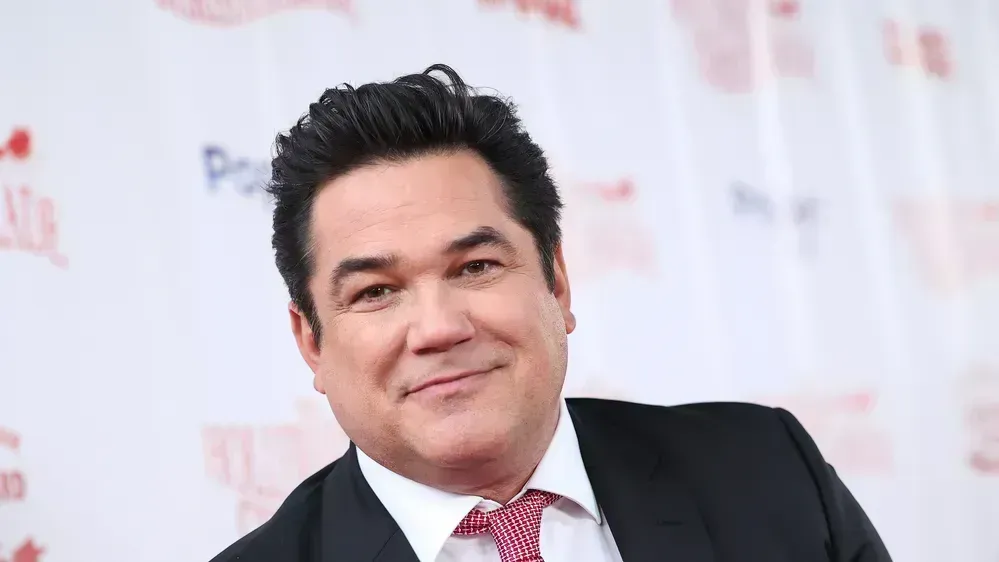
HOLLYWOOD, CALIFORNIA - NOVEMBER 26: Dean Cain attends the 91st anniversary of the Hollywood Christmas Parade, supporting Marine Toys For Tots on November 26, 2023 in Hollywood, California. Photo Credit: (Photo by Tommaso Boddi/Getty Images for Associated Television International)
Dean Cain, best known for portraying Clark Kent in the 1990s series Lois & Clark: The New Adventures of Superman, is facing intense criticism after he engaged with social media posts mocking Supergirl actor Milly Alcock’s appearance. Alcock, an Australian actor who gained international prominence through House of the Dragon, is set to lead DC Studios’ upcoming Supergirl feature, scheduled for release in late June 2026.
How the exchange unfolded on X
According to screenshots and embedded posts reproduced by multiple outlets, the first relevant post featured a promotional image of Alcock’s Supergirl costume, with the caption: “Wait… if Supergirl’s skin is bulletproof, how does she have ear piercings?” Cain responded by reposting the message with a single thinking emoji, which some readers interpreted as him amplifying or endorsing the critique.
The exchange escalated when another X user added a second post that juxtaposed Alcock’s character with Cha‑Ka from Land of the Lost and asked, “And why does she look like this guy?” Cain replied, “Dang it… I laughed,” a remark that was captured in screenshots and quickly circulated by fan accounts and pop‑culture commentators.
Several reports note that the Cha‑Ka character has been used in certain political meme spaces as a way to mock people’s faces or perceived features, which added another layer to how Cain’s engagement was read by online audiences. In the days that followed, commentators documented Cain continuing to reply within the same thread and addressing criticism from users who questioned why a veteran actor would participate in mocking a younger colleague’s appearance.
Fan reactions and criticism
Reaction from fans of both the Superman and Supergirl franchises was swift, with many social media users accusing Cain of “appearance shaming” and expressing disappointment that someone associated with a beloved superhero would appear to join in on deriding another performer. One headline described Cain as being “under fire” for “making fun” of Alcock, while others framed the incident as a “cruel comment” that overshadowed promotional buzz for the upcoming film.
Some commentators emphasized the age and status gap between Cain, who is 59, and Alcock, who is in her mid‑20s, arguing that his decision to publicly laugh at a comparison meme created an uncomfortable power dynamic. Online forums and entertainment sites catalogued responses from users calling the behavior “disgusting,” “mean‑spirited,” or “unnecessary,” while others urged a more tempered view, stating that piling on with insults toward Cain would not improve the overall tone of the discourse.
Media coverage also highlighted the reaction from some DC fans who felt Cain’s comments clashed with the aspirational image associated with Superman and related characters. Several posts shared widely on X and Reddit argued that high‑profile performers, particularly those tied to franchises with large LGBTQ+ and youth fanbases, have a responsibility to avoid amplifying appearance‑based mockery.
Dean Cain’s subsequent responses and framing
As criticism mounted, Cain addressed the backlash in follow‑up posts, asserting that he “never said she was ugly” and suggesting that some users were mischaracterizing his intent. Reports indicate he continued to interact with supporters and detractors in the thread, reiterating his position while simultaneously engaging in unrelated political commentary.
Several outlets contextualized Cain’s online presence as consistently outspoken, noting previous controversies including his support for conservative political causes and, more recently, his announcement that he would train as an agent with U.S. Immigration and Customs Enforcement . In this latest incident, coverage suggests that the criticism is less about Cain’s political positions and more about the specific act of amplifying a meme that targets a younger colleague’s physical appearance.
Some commentary pieces connected this episode to a broader wave of discourse around female‑led superhero projects, where actors and creatives have frequently been subjected to coordinated online criticism, including appearance‑based commentary, harassment, and calls for boycotts. Within that context, some fans argue that established performers have an opportunity to model respectful engagement, particularly when new actors join a franchise that has long attracted LGBTQ+ fans, women, and gender‑diverse audiences who often experience appearance‑based targeting themselves.
Milly Alcock’s role, fandom stakes, and wider implications
Milly Alcock’s casting as Supergirl places her at the center of a highly visible transition in DC’s on‑screen universe, with her standalone film expected to follow her brief introduction alongside David Corenswet’s Superman in an earlier franchise installment. The new film, which centers on Kara Zor‑El, has been marketed as a major pillar in DC Studios’ refreshed lineup and is slated to arrive in cinemas on 26 June 2026.
Entertainment reporters point out that Supergirl, as a character, has long held significance for many women, queer fans, and gender‑diverse viewers who see in her story a narrative about self‑definition, resilience, and carving out identity separate from more established heroes like Superman. In this light, the online treatment of the actor embodying the role is read by some fans as a bellwether for how inclusive and respectful the broader conversation around the film will be, including whether young women and LGBTQ+ audiences feel welcomed into that space.
A separate thread of coverage has focused on earlier remarks attributed to Alcock about facing online abuse, including comments from people she described as “Christian dads,” which sparked debate about how actors respond to hostile messages and how their words are later taken up in culture‑war narratives. Some critics have attempted to link Cain’s latest comments to these prior tensions, while others emphasize that regardless of earlier disputes, targeting a colleague’s appearance in front of millions of potential viewers risks normalizing personal attacks rather than focusing on performance or storytelling.
For fans looking ahead to the film’s release, the incident has become one more example of how online discourse can overshadow creative work, especially when the target is a younger performer stepping into a legacy role. Comment sections and social media threads reflect a mix of frustration, fatigue with culture‑war framing, and renewed calls for more respectful engagement with actors of all genders and backgrounds, including those in franchises with substantial queer and trans audiences.
Copyright EDGE Media Network. All rights reserved. This material may not be published, broadcast, rewritten, or redistributed.