Carrie Coon Says ‘White Lotus’ Fame Hasn’t Brought ‘Material Results’: ‘I Still Have to Fight’
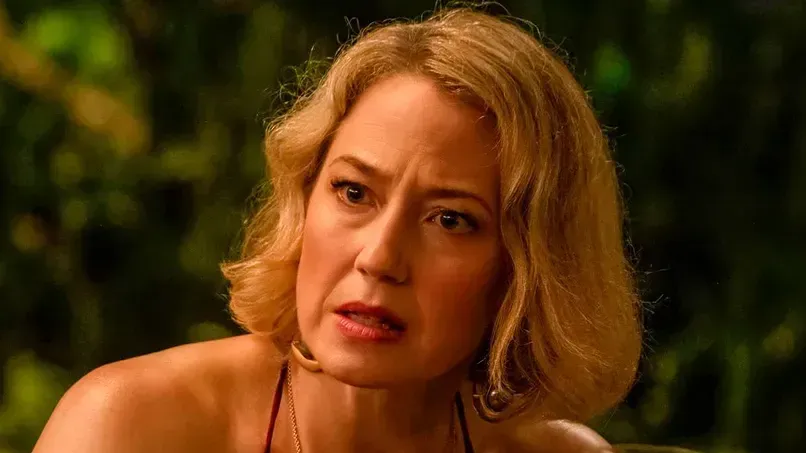
Photo Credit: HBO
by Chris Tremblay Jun 15
5 MIN READ
Carrie Coon is pushing back against assumptions that a buzzy role in The White Lotus automatically transforms an actor’s career, saying she has not seen the “material results” many people associate with the HBO phenomenon. Speaking during The Hollywood Reporter’s annual drama actress roundtable, Coon explained that despite her acclaimed turn in the third season and an already decorated résumé, she still has to “fight” for substantial opportunities, particularly in film.
In the conversation, released this week and featuring fellow performers including Claire Danes and Kerry Washington, Coon recalled reading extensive coverage about how The White Lotus boosts its ensemble, especially women, but said her own experience has been more ambiguous. She suggested that if there has been any direct benefit, it may be confined to more people discovering her work on The Gilded Age rather than a radical change in how she is treated by the industry.
Coon’s comments were notably blunt: she told the roundtable, “Here’s the thing: I still have to fight,” describing how major studio and prestige film roles remain elusive even in the wake of White Lotus visibility. She explained that the scripts coming her way are largely unfunded or underfunded independent projects, rather than the kind of high-budget films that might be expected after leading a globally discussed series.
Describing her place in the casting hierarchy, Coon said that, at best, The White Lotus has moved her from “seventh choice” to “fourth choice” for certain roles, a modest shift that underscores how competitive the landscape remains even for established actors. She characterized herself as being at “the top of the B‑list,” emphasizing that the cultural cachet of White Lotus has not translated into the kind of automatic offers some observers might imagine.
Coon added that while she believes she would likely find another television job if The Gilded Age were to end, she has not “leveled up” in ways that align with the narrative around the franchise turning its ensemble into instant above‑the‑title stars. For her, the day‑to‑day reality is that she still has to audition and advocate for herself, including for projects by respected showrunners like Mike White.
In The White Lotus Season 3, Coon plays Laurie, a divorced New York lawyer traveling to a Thai resort with two longtime friends, Jaclyn and Kate, played by Michelle Monaghan and Leslie Bibb. The trio, informally dubbed the “blonde blob,” became one of the season’s most scrutinized storylines, with their passive‑aggressive dynamic provoking intense audience debate.
Coon has described working on the show as both a “bucket list” job and a significant personal and financial sacrifice, noting in a podcast interview that she “lost money on the deal” after paying for extensive childcare and support to spend six months shooting in Thailand. She said her husband, playwright Tracy Letts, urged her to take the series anyway, telling her it was one of those undeniable roles that they needed to “make work” as a family.
The scheduling demands compounded the pressure: Coon has recounted returning from Thailand and resuming production on HBO’s period drama The Gilded Age just 48 hours later, calling the transition from sun‑drenched resort wear to corsets “jarring” and saying she felt initially off her game on the New York set. She has said this intense period of back‑to‑back projects, though draining, represented a “really intense year, in a good way” professionally.
Coon arrived at The White Lotus with a substantial body of work, including multiple Emmy nominations and acclaimed turns in series such as The Leftovers, Fargo, and The Gilded Age. In a recent Awards Radar interview, she spoke about the “pleasures” of acting on The Gilded Age and how the ensemble period drama has become an anchor in her career alongside newer projects like The White Lotus.
Her White Lotus performance has already been recognized by awards voters: the Television Academy has noted her as Emmy‑eligible for Outstanding Supporting Actress in a Drama Series for the role of Laurie. In a 2025 interview, Coon discussed reading all eight scripts before committing to the Thailand shoot, saying she needed to understand where Laurie was heading to justify the time away from her young children.
Coon has also used recent press around The White Lotus to revisit earlier questions of compensation and value, including confirming that she turned down a return as Proxima Midnight in Avengers: Endgame after Marvel declined to raise her pay, leading her to conclude that her “time is more valuable elsewhere.” She told Variety that this episode reflected a broader industry mentality that performers should feel “lucky” to be part of lucrative franchises, a notion she resists as a working parent weighing time against income.
Coon’s remarks arrive amid ongoing cultural fascination with what some commentators dub the “White Lotus effect,” the idea that the anthology serves as a rocket booster for performers—especially women and queer‑inclusive ensembles—who become overnight fixtures of the prestige TV landscape. Articles have repeatedly traced the way the show’s first two seasons appeared to propel actors such as Jennifer Coolidge and Sydney Sweeney into new tiers of visibility, awards recognition, and commercial opportunity.
By contrast, Coon stressed that any “bump” from the series has been incremental at best, and that many successes arrive with invisible trade‑offs: prolonged time away from home, financial outlay for care networks, and the emotional cost of being, as she has put it elsewhere, “unmoored” from everyday life. Her account offers a more granular view of prestige television as work—physically and financially demanding—rather than a guaranteed gateway to superstardom.
Coon has also emphasized that her relatively low‑key public profile is, in some ways, something she values. She joked during the roundtable that people often assume they recognize her from high school rather than from television, and said she does not necessarily want the kind of celebrity that would make daily life feel less anonymous.
For many viewers, The White Lotus has become synonymous with complex, often morally ambiguous portraits of privilege, desire and identity, including queer and LGBTQ+ storylines that bring additional layers of visibility to marginalized communities. Coon’s reflections add another dimension: the economic and professional realities that persist beneath the surface of even the most talked‑about shows, where performers’ bargaining power can lag behind their cultural impact.
Her comments also echo longer‑running conversations about how the industry values character actors and ensemble players—many of whom, like Coon, carry prestige projects but still find themselves auditioning for roles and navigating precarious deal structures after viral success. Even as The White Lotus continues to expand its scope and global profile, Coon’s account suggests that its benefits are unevenly distributed and that for many cast members, the work of advocating for fair pay and substantive roles continues long after the finale airs.
“I still have to fight”
Coon’s comments were notably blunt: she told the roundtable, “Here’s the thing: I still have to fight,” describing how major studio and prestige film roles remain elusive even in the wake of White Lotus visibility. She explained that the scripts coming her way are largely unfunded or underfunded independent projects, rather than the kind of high-budget films that might be expected after leading a globally discussed series.
Describing her place in the casting hierarchy, Coon said that, at best, The White Lotus has moved her from “seventh choice” to “fourth choice” for certain roles, a modest shift that underscores how competitive the landscape remains even for established actors. She characterized herself as being at “the top of the B‑list,” emphasizing that the cultural cachet of White Lotus has not translated into the kind of automatic offers some observers might imagine.
Coon added that while she believes she would likely find another television job if The Gilded Age were to end, she has not “leveled up” in ways that align with the narrative around the franchise turning its ensemble into instant above‑the‑title stars. For her, the day‑to‑day reality is that she still has to audition and advocate for herself, including for projects by respected showrunners like Mike White.
Inside Laurie’s Thailand vacation and a demanding year
In The White Lotus Season 3, Coon plays Laurie, a divorced New York lawyer traveling to a Thai resort with two longtime friends, Jaclyn and Kate, played by Michelle Monaghan and Leslie Bibb. The trio, informally dubbed the “blonde blob,” became one of the season’s most scrutinized storylines, with their passive‑aggressive dynamic provoking intense audience debate.
Coon has described working on the show as both a “bucket list” job and a significant personal and financial sacrifice, noting in a podcast interview that she “lost money on the deal” after paying for extensive childcare and support to spend six months shooting in Thailand. She said her husband, playwright Tracy Letts, urged her to take the series anyway, telling her it was one of those undeniable roles that they needed to “make work” as a family.
The scheduling demands compounded the pressure: Coon has recounted returning from Thailand and resuming production on HBO’s period drama The Gilded Age just 48 hours later, calling the transition from sun‑drenched resort wear to corsets “jarring” and saying she felt initially off her game on the New York set. She has said this intense period of back‑to‑back projects, though draining, represented a “really intense year, in a good way” professionally.
A career built on prestige work, not instant stardom
Coon arrived at The White Lotus with a substantial body of work, including multiple Emmy nominations and acclaimed turns in series such as The Leftovers, Fargo, and The Gilded Age. In a recent Awards Radar interview, she spoke about the “pleasures” of acting on The Gilded Age and how the ensemble period drama has become an anchor in her career alongside newer projects like The White Lotus.
Her White Lotus performance has already been recognized by awards voters: the Television Academy has noted her as Emmy‑eligible for Outstanding Supporting Actress in a Drama Series for the role of Laurie. In a 2025 interview, Coon discussed reading all eight scripts before committing to the Thailand shoot, saying she needed to understand where Laurie was heading to justify the time away from her young children.
Coon has also used recent press around The White Lotus to revisit earlier questions of compensation and value, including confirming that she turned down a return as Proxima Midnight in Avengers: Endgame after Marvel declined to raise her pay, leading her to conclude that her “time is more valuable elsewhere.” She told Variety that this episode reflected a broader industry mentality that performers should feel “lucky” to be part of lucrative franchises, a notion she resists as a working parent weighing time against income.
Challenging the mythology of the “White Lotus effect”
Coon’s remarks arrive amid ongoing cultural fascination with what some commentators dub the “White Lotus effect,” the idea that the anthology serves as a rocket booster for performers—especially women and queer‑inclusive ensembles—who become overnight fixtures of the prestige TV landscape. Articles have repeatedly traced the way the show’s first two seasons appeared to propel actors such as Jennifer Coolidge and Sydney Sweeney into new tiers of visibility, awards recognition, and commercial opportunity.
By contrast, Coon stressed that any “bump” from the series has been incremental at best, and that many successes arrive with invisible trade‑offs: prolonged time away from home, financial outlay for care networks, and the emotional cost of being, as she has put it elsewhere, “unmoored” from everyday life. Her account offers a more granular view of prestige television as work—physically and financially demanding—rather than a guaranteed gateway to superstardom.
Coon has also emphasized that her relatively low‑key public profile is, in some ways, something she values. She joked during the roundtable that people often assume they recognize her from high school rather than from television, and said she does not necessarily want the kind of celebrity that would make daily life feel less anonymous.
Visibility, value and ongoing labor
For many viewers, The White Lotus has become synonymous with complex, often morally ambiguous portraits of privilege, desire and identity, including queer and LGBTQ+ storylines that bring additional layers of visibility to marginalized communities. Coon’s reflections add another dimension: the economic and professional realities that persist beneath the surface of even the most talked‑about shows, where performers’ bargaining power can lag behind their cultural impact.
Her comments also echo longer‑running conversations about how the industry values character actors and ensemble players—many of whom, like Coon, carry prestige projects but still find themselves auditioning for roles and navigating precarious deal structures after viral success. Even as The White Lotus continues to expand its scope and global profile, Coon’s account suggests that its benefits are unevenly distributed and that for many cast members, the work of advocating for fair pay and substantive roles continues long after the finale airs.
Copyright EDGE Media Network. All rights reserved. This material may not be published, broadcast, rewritten, or redistributed.