Dwayne Johnson Shares Details of “Really Painful” Testicular Cancer Scare He Kept From His Wife
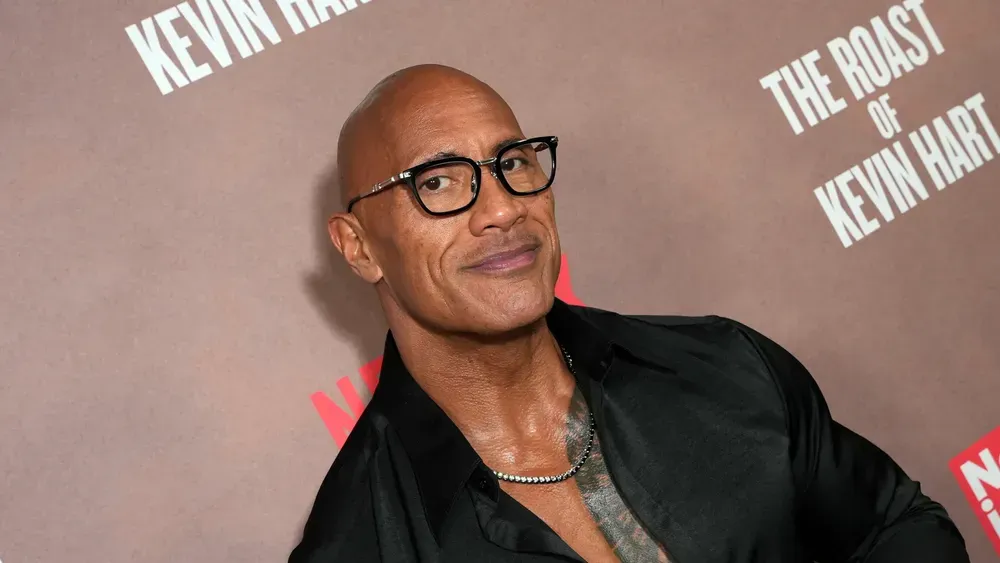
INGLEWOOD, CALIFORNIA - MAY 10: Dwayne Johnson attends Netflix Is A Joke Festival Presents: The Roast of Kevin Hart at The Kia Forum on May 10, 2026 in Inglewood, California.Photo Credit: Gonzalo Marroquin
In a new interview, actor and former WWE star Dwayne Johnson has revealed that he recently experienced a testicular cancer scare after discovering a painful lump on his left testicle in the shower. The 54‑year‑old entertainer said he spent an entire weekend in mounting pain and worry, choosing not to tell his wife, singer Lauren Hashian, until he knew whether the lump was cancerous.
The scare and the silent weekend
Johnson recounted that he first noticed the lump on his left testicle while showering earlier this year, describing it as “really painful” and too sensitive for comfort. He immediately went to see his doctor to have it checked out. The initial examination left him with an agonizing cliffhanger: his doctor informed him the lump was either epididymitis or testicular cancer, and ordered an ultrasound for the following morning to get a definitive answer.
In the Esquire feature, Johnson explained that he made a conscious decision not to tell Hashian right away because he did not want to cause what he considered unnecessary fear before having definitive clinical information. He is quoted as saying, “I didn’t even tell Lauren… I didn’t want to worry her before I knew if it was anything to even worry about,” illustrating the immense emotional weight he carried alone during that brief but terrifying window of uncertainty.
Rather than letting his family panic, Johnson spent the next 24 hours keeping the terrifying possibilities to himself while waiting for his imaging appointment. Coverage from international outlets notes that he framed the episode as one of the more personally frightening health moments of his career, testing his mental resolve despite his global reputation for physical toughness.
A press day under uncertainty
The timing of the scare coincided with a scheduled all‑day press event for Johnson’s upcoming film “Jumanji: Open World,” creating a stark contrast between his public persona and private fears. In his account, Johnson said that on Monday he went ahead with a full day of media interviews, speeches, and public appearances while still not knowing whether the lump might be cancer.
He described having to be “on all day, joking around, making speeches” despite what he called a “really painful” physical sensation and a 24‑hour period of emotional uncertainty. An entertainment news segment summarizing the interview noted that he spoke openly about how draining it was to manage that fear while still fulfilling professional obligations, which for him meant upholding an image of ease and control in front of cameras and fans.
Cruelly, the 24-hour waiting window for his ultrasound perfectly coincided with a heavily scheduled, all-day press junket for his movie Jumanji: Open World. Having just been told hours prior that he might have cancer, Johnson had to immediately pivot to Hollywood promotion mode alongside co-stars Kevin Hart and Jack Black. He described the agonizing strain of having to be “on all day, joking around, making speeches” while dealing with severe physical pain and intense internal anxiety before he could finally get his scan the next morning.
Diagnosis, relief, and next steps
An ultrasound the next morning confirmed that the lump was benign and consistent with epididymitis rather than testicular cancer, according to multiple reports summarizing Johnson’s comments. Johnson emphasized that he is “fine” now, telling the interviewer that while the experience was both physically painful and emotionally taxing, he feels grateful the outcome was not more serious.
Follow‑up coverage from outlets including Metro and ExtraTV notes that Johnson used the opportunity to highlight the importance of acting quickly when something feels wrong medically, even when schedules are demanding or when people feel pressure to downplay symptoms. In separate broadcast segments, anchors summarized his message as a call for everyone—including men who may feel stigma or reluctance about discussing genital health—to monitor bodily changes and seek professional evaluation without delay.
Medical experts were not quoted directly in the available coverage, but media reports explain that epididymitis is often treatable and that imaging such as ultrasound is a standard tool to distinguish between inflammatory conditions and cancer in testicular evaluations. Johnson did not disclose specific treatment details in these reports, focusing instead on the diagnostic process and the emotional impact of waiting for results.
Masculinity, vulnerability, and health
Coverage of Johnson’s comments has emphasized how his story intersects with broader conversations about masculinity, vulnerability, and health‑seeking behavior. As a globally recognized action star with a long history in professional wrestling, Johnson is often associated with a stoic and physically invulnerable image, making his discussion of fear, pain, and uncertainty particularly notable to commentators.
Reports summarizing his interview highlight that he openly acknowledged both the physical severity of the pain and the emotional strain of considering cancer as a possibility, even for a relatively short window. By sharing that he initially chose to protect his partner from worry until he had more information, Johnson also invited discussion of how celebrities and public figures navigate health crises in family settings that mirror the dilemmas many people face in their own relationships.
Health advocates often stress that early detection and open communication can be life‑saving across many communities, including LGBTQ+ people, who may face additional barriers such as stigma, inadequate provider training, or discrimination when seeking care. Johnson did not single out specific communities in the cited interview excerpts, but his call to notice changes in the body and obtain timely medical assessment speaks to shared health concerns that cut across gender identities, sexual orientations, and cultural backgrounds.
Public reaction and ongoing visibility
Social and entertainment media have amplified Johnson’s story, with outlets sharing video clips and summaries that underline both the gravity of his scare and the relief that the lump turned out to be non‑cancerous. ExtraTV promoted the segment in a social media post highlighting that he had discovered a “painful lump” and undergone testing to rule out testicular cancer, directing audiences to more detailed coverage. A video from E! News also focused on Johnson’s description of the experience as “really painful” and his admission that he initially kept the scare private from his wife.
Aggregators such as NewsNow show that the story has been picked up across entertainment and sports media, including wrestling‑focused platforms that follow Johnson’s ongoing role as a WWE personality and TKO board member. International coverage, such as reporting from the Times of India, has framed his remarks as a reminder that even highly trained and physically powerful entertainers can face sudden health threats that require immediate attention.
For now, Johnson’s most recent statements emphasize that he is healthy, that the testicular lump was not cancer, and that the experience left him more appreciative of his well‑being and more vocal about encouraging others to take warning signs seriously. As he continues promoting upcoming projects, his disclosure adds a candid and personal dimension to his public image, one that centers not only strength but also the vulnerability and uncertainty that can accompany any health scare.
Copyright EDGE Media Network. All rights reserved. This material may not be published, broadcast, rewritten, or redistributed.