Lizzo Reclaims the Word ‘Bitch’ with Bold New Album Centered on Confidence and Self-Love
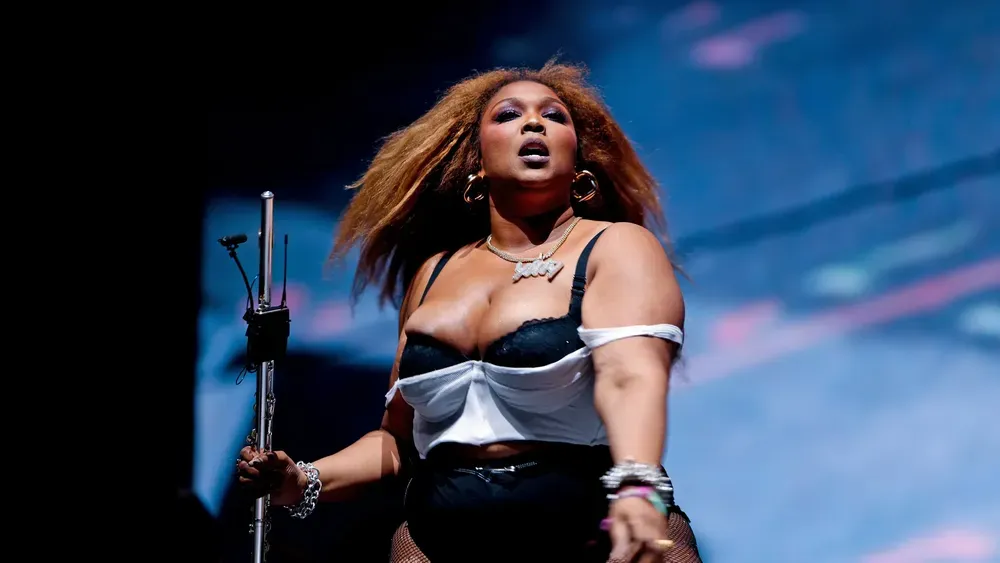
INDIO, CALIFORNIA - APRIL 10: Lizzo performs with Sexyy Red at the Sahara Tent during the 2026 Coachella Valley Music and Arts Festival at Empire Polo Club on April 10, 2026 in Indio, California. Photo Credit: Matt Winkelmeyer
Lizzo has formally announced her third studio album, "Bitch", marking what she describes as her “boldest era yet” and positioning the record as an intentional act of linguistic and personal reclamation. The album is scheduled for release on June 5, 2026, and will follow her 2022 album "Special" and her 2025 mixtape "My Face Hurts From Smiling", arriving after a period of creative recalibration and public scrutiny.
Reclaiming ‘bitch’ as power
Central to the album’s rollout is Lizzo’s explicit framing of the word “bitch” as a term of empowerment rather than insult. In a statement quoted by multiple outlets, she explains, “Reclaiming the word ‘Bitch’ is power – it’s taking a label once used to diminish women and turning it into a declaration of confidence, and unapologetic self-love.”
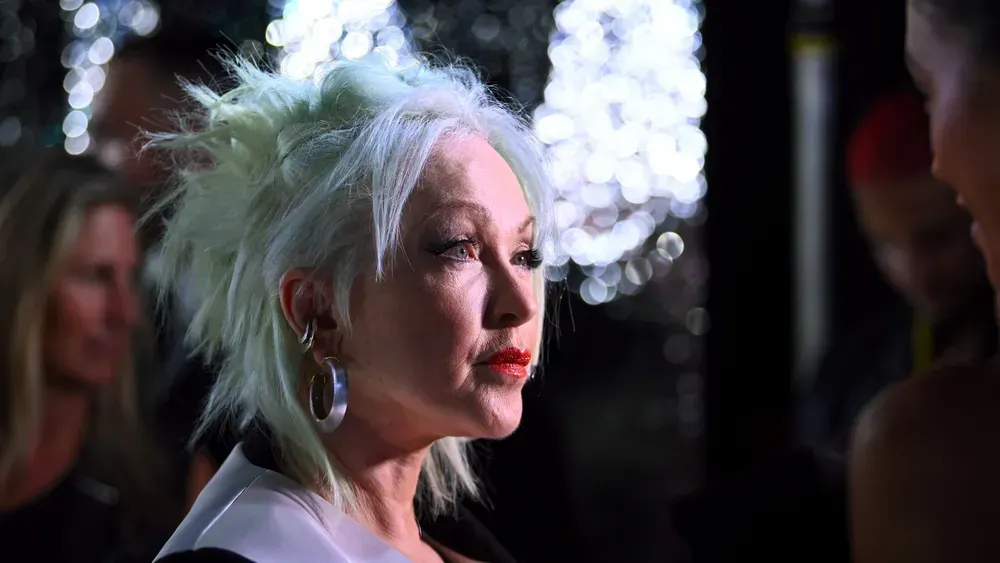
Lizzo goes on to situate the term in a broader pop-cultural lineage, citing artists such as Meredith Brooks and Missy Elliott as examples of women who have used “bitch” in affirming or transgressive ways. She notes that the word has become her “favorite” when used on her own terms, and says “it was only fitting” to name the album *Bitch*, adding that she is “100% that bitch,” echoing the now-iconic line from her hit “Truth Hurts.”
Title track and musical direction
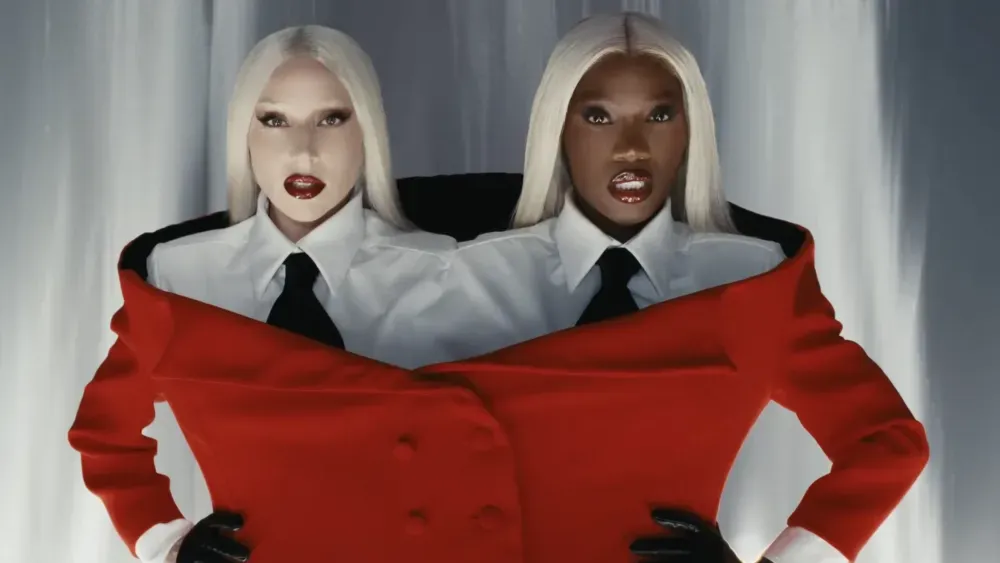
The album’s title track, “Bitch,” is set for release on May 1, accompanied by an official music video, forming the public’s first full glimpse into the record’s sound and visual world. The song interpolates Meredith Brooks’ 1997 rock single “Bitch,” a track that itself sparked conversations about women using the term to narrate complexity, anger, and self-acceptance.
Outlets reporting on the project describe "Bitch" as another fusion of Lizzo’s skills as a singer, rapper, and flautist, continuing the blend of pop, rap, and R&B that marked her earlier work. One report characterizes the new era as “bold” and states that the album positions her as a “transformative figure in pop culture,” suggesting an intention to expand her existing persona as a mainstream artist associated with empowerment narratives.
The album rollout builds on March’s single “Don’t Make Me Love U,” described as the first taste of the project and praised for its vulnerability and focus on personal growth and self-reflection. “Don’t Make Me Love U” is included on the "Bitch" tracklist, while earlier singles associated with a scrapped album concept, “Love in Real Life” and “Still Bad,” are absent.
From ‘Love in Real Life’ to ‘Bitch’
"Bitch" arrives in the place of a previously announced album, "Love in Real Life", which Lizzo introduced in early 2025 with singles of the same name and “Still Bad,” as well as a performance of “Don’t Make Me Love U” on "Saturday Night Live" Those singles drew criticism and did not achieve strong chart results, and the album was ultimately not released, prompting the artist to reconsider her direction.
In a profile published last year, Lizzo expressed dissatisfaction with some of the earlier material, describing “Still Bad” as “overproduced” and “overthought,” and noting that songs written in 2022 no longer reflected her feelings by 2025. She said she wanted to “do shit differently” and follow her instincts more closely, indicating that the material on "Bitch" represents a recalibrated creative vision rather than a repackaging of the shelved project.
As part of that shift, she released the rap-heavy mixtape "My Face Hurts From Smiling" in June 2025, allowing her to explore different sounds and regain some of the confidence she felt had been shaken. In an interview referenced by Rolling Stone Canada, Lizzo spoke about “reclaiming” lost confidence and suggested that her next album would be “a little moodier” and engage with “dark times,” including the ongoing legal dispute with former dancers, which she has publicly denied.
Context of controversy and resilience
The "Bitch" era unfolds against the backdrop of legal allegations from former tour dancers, who accused Lizzo of harassment and hostile workplace behavior, claims that she has denied and that remain the subject of legal proceedings. Coverage of the new album notes that the artist has been navigating both personal and public “dark times,” though specific references to case developments are not detailed in the album announcement reports.
Within this context, framing the album’s title as an act of reclamation positions the project as an assertion of agency amid criticism, even as news reports do not specify how directly the lyrics will address the disputes. The emphasis on “unapologetic self-love” and “confidence” in her quoted statements suggests that Lizzo intends the word “bitch” to function as a symbol of self-definition rather than an epithet imposed by others.
Pop, reclamation, and gendered language
Lizzo’s decision to center an album around a reclaimed slur aligns with a longer history of artists, particularly women and LGBTQ+ people, subverting derogatory language by adopting it on their own terms, though the current reports focus specifically on her references to other women in music rather than broader historical context. She points to Meredith Brooks and Missy Elliott as inspirations in using “bitch” as a vehicle for empowerment and multidimensional self-portrayal, situating "Bitch" in a lineage of feminist and femme-centered pop culture.
While coverage of the announcement does not detail the album’s full thematic landscape, it describes "Bitch" as continuing Lizzo’s pattern of mixing humor, musicianship, and messages of empowerment that have resonated with diverse audiences, including many LGBTQ+ listeners who have embraced her previous anthems about body autonomy and self-acceptance. Commentators characterize the project as a reaffirmation of her status as a mainstream pop figure whose work frequently centers marginalized experiences around body size, gendered expectations, and self-worth, though the current articles do not list specific songs addressing LGBTQ+ identity.
Visual identity and rollout strategy
The "Bitch" cover art, with its hybrid of a middle finger and a smiling portrait, continues Lizzo’s established visual approach of blending bold, sometimes confrontational imagery with celebratory self-portraiture. The imagery mirrors the dual function of the word “bitch” in her framing: a refusal to be diminished, paired with an insistence on joy, pleasure, and visibility.
Media reports note that the album is already available for pre-order, indicating a coordinated rollout likely to include further singles, videos, and promotional appearances leading up to the June 5 release. One outlet mentions that the tracklist has been revealed, although details on collaborators and featured artists have not yet been publicly confirmed.
Reception and expectations
Early coverage describes "Bitch" as a “bold new era” and emphasizes Lizzo’s track record as a GRAMMY and Emmy Award-winning artist whose work blends musical skill with messages of empowerment. The combination of a provocative title, a reclaimed slur, and connections to a 1990s feminist-leaning pop anthem positions the album to generate substantial discussion once more music and visuals are released.
For now, the clearest public statement of intent comes from Lizzo’s own description of the album title as an assertion of confidence and “unapologetic self-love,” a framing that recent reports treat as the guiding concept of the project. With the title track “Bitch” set to arrive on May 1 and the full album following on June 5, listeners will soon be able to hear how that declaration of self-love sounds in practice.
Copyright EDGE Media Network. All rights reserved. This material may not be published, broadcast, rewritten, or redistributed.