KJ Apa Blasts Viral Musician Mr. Fantasy as a “Liar and a Thief” Amid Intensifying Identity Speculation
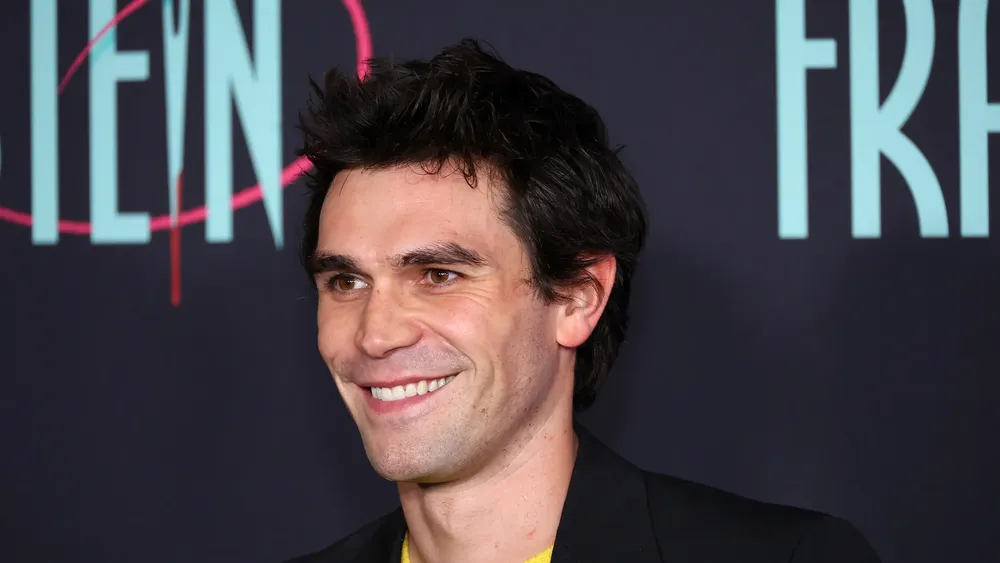
HOLLYWOOD, CALIFORNIA - FEBRUARY 05: KJ Apa attends the Los Angeles special screening of Focus Features' "Lisa Frankenstein" at Hollywood Athletic Club on February 05, 2024 in Hollywood, California. Photo Credit: Leon Bennett
On May 6, 2026, actor KJ Apa posted a highly emotional video to Instagram in which he accused viral musician Mr. Fantasy of “stealing” his image, misusing his likeness and jeopardizing his career. In the clip, Apa says he had avoided addressing the situation “for a long time” but now felt compelled to speak out because of what he described as concrete damage to his professional opportunities.
In the Instagram video, Apa alleges that he recently lost out on “a huge job” and that he is now being blocked from “serious work” because industry figures view him as a “joke” due to Mr. Fantasy’s antics. He does not name the project or provide specific examples of roles lost, but he frames the alleged fallout as a direct consequence of the confusion surrounding Mr. Fantasy’s identity.
Apa’s language in the video grows increasingly blunt, culminating in a direct attack on Mr. Fantasy’s integrity. He labels the musician a “f‑‑‑ing idiot,” a “f‑‑‑ing liar” and a “thief,” specifically calling out Mr. Fantasy for allegedly copying his “literal tattoos” and visual style while presenting himself as a force for “positivity” and “kindness.”
A viral musician shrouded in ambiguity
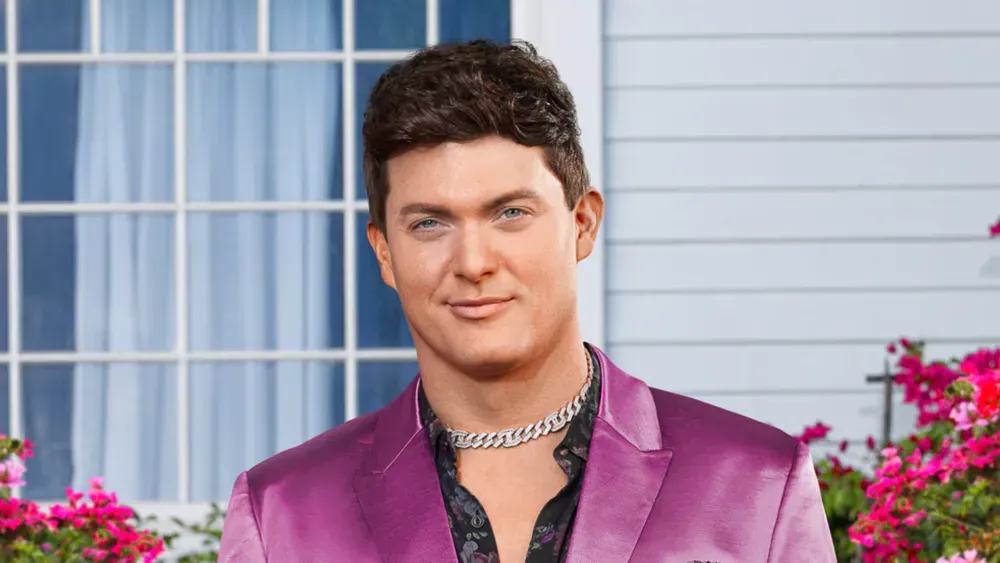
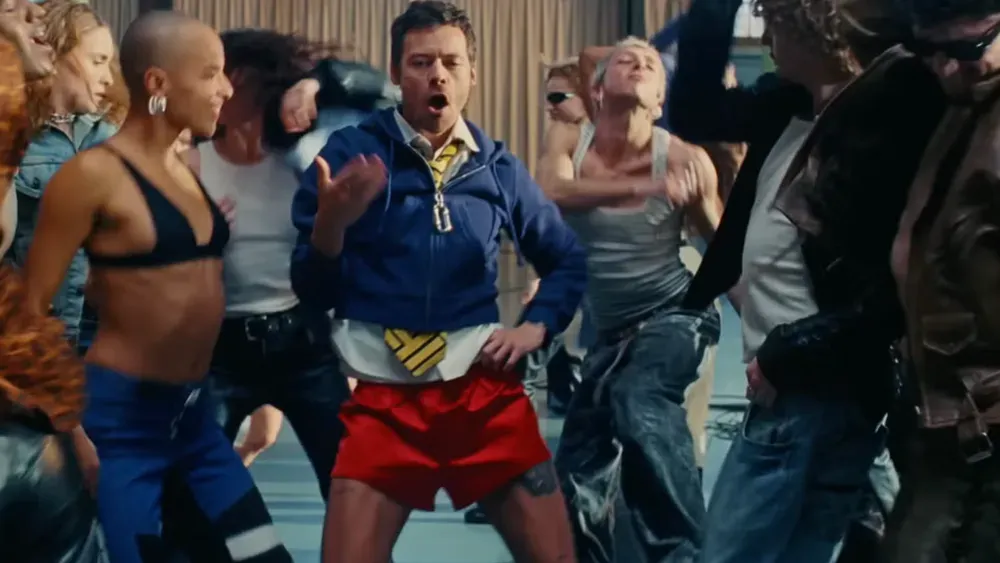
Mr. Fantasy, who has built a sizable following on TikTok and other platforms, is known for a flamboyant disco‑funk aesthetic, exaggerated performance style and surrealist persona. Coverage describes him as a British musician whose music and videos have circulated widely online, though his offline biography remains intentionally opaque.
Central to his online presence is a striking physical resemblance to Apa, from similar facial structure and hair to what appear to be near‑identical tattoos and styling choices. Commenters have repeatedly noted the overlap in their appearances, fueling years of fan speculation that Mr. Fantasy is either an elaborate alter ego or a performance art project involving Apa.
Despite the speculation, reporting collating several interviews indicates that Mr. Fantasy has repeatedly rejected direct comparisons or simple explanations of his identity. In earlier conversations with outlets such as Teen Vogue, People and USA Today, he has played with the idea of selfhood in a way that blurs the line between sincerity and performance.
According to a recap of a 2025 Teen Vogue profile, Mr. Fantasy described his breakout as almost accidental, saying that one of his first viral clips was filmed while he was “sitting on the toilet,” a detail used to underline the chaotic, unexpected nature of his fame. In a 2025 People interview, he reportedly claimed not to have watched Riverdale and said “My identity is in my name. Look no further. I am Mr. Fantasy,” while dismissing the concept of fame as something that cannot be “touched,” “sniffed” or “licked.”
Another cited interview with USA Today presented him as leaning into ambiguity, saying “My identity is always expanding” and naming musical influences such as Prince, David Bowie and Earth, Wind & Fire as part of his artistic lineage. Those references position him within a tradition of theatrical, fluid personas and shifting aesthetics, which often resonate with LGBTQ+ audiences for their celebration of expressive, nonconforming performance styles.
Fan theories and the alter‑ego question
Online speculation that Mr. Fantasy is actually KJ Apa in character has circulated for months, if not years, emerging in TikTok comments, fan forums and think‑piece‑style coverage. Writers have pointed to overlapping tattoos, similar body language and shared social connections as evidence that the line between the two public figures might be more porous than either outwardly admits.
Some outlets characterize the entire dynamic as a kind of meta‑performance, suggesting that Apa’s furious video may itself be part of an extended bit designed to keep the mystery alive. Just Jared notes that “most everyone is already aware that Mr. Fantasy is an alter‑ego of his, and it’s all just a ruse,” presenting the feud as intentionally theatrical rather than a straightforward dispute.
An Entertainment Tonight interview from April 2026 further complicates the picture. In a CinemaCon red‑carpet conversation, a video description and transcript fragments attribute to Apa a quip in which he appears to say “I am Mr. Fantasy. It’s quite simple. The identity is in my name and in the image,” while elsewhere in the same exchange he reportedly distances himself by suggesting he doesn’t “really know what the deal is” and that he does not “really have any respect” for the musician.
This blend of apparent self‑identification and sharp disavowal has been interpreted by commentators as deliberate trolling or as a way to keep both Apa’s acting profile and Mr. Fantasy’s music in the cultural conversation. However, no outlet has presented conclusive, on‑the‑record confirmation from either Apa or Mr. Fantasy that they are definitively the same person, and both have, at different times, described themselves in ways that favor mystery over clarity.
In the wake of Apa’s May 6 video, social‑media reactions have been mixed, with some fans treating the monologue as a genuine complaint about professional harm and others reading it as an extension of a long‑running in‑joke. Comment threads and coverage highlight how quickly celebrity identity games can turn into flashpoints over authenticity, consent and creative ownership.
Image rights, persona and reputational harm
At the core of Apa’s complaint is the question of whether another performer can ethically or legally build a persona that so closely mimics his appearance, tattoos and personal network. In his Instagram video, he explicitly describes the situation as “completely wrong” and “disrespectful,” arguing that copying a person’s “image” and “literal tattoos” for “success” crosses a line.
Reporting so far frames the dispute in terms of public perception rather than active legal action. No major outlet has documented any lawsuit or formal complaint filed by Apa against Mr. Fantasy, and the conversation remains largely situated in the realm of social media statements and entertainment coverage.
Commentary pieces underscore that in the age of TikTok and viral alter egos, performers increasingly experiment with layered identities, sometimes incorporating drag, gender fluidity, or camp aesthetics that resonate with LGBTQ+ communities. In this context, some audience members view the Apa–Mr. Fantasy saga as part of a broader conversation about who gets to play with persona, whose stories and aesthetics are being imitated, and how such performances intersect with marginalized communities’ long histories of using alter egos for safety and self‑expression.
For LGBTQ+ fans and creators, questions of consent and credit around borrowed imagery can carry extra weight, particularly when queer and gender‑nonconforming styles are adopted by more mainstream or cisgender‑presenting artists without explicit acknowledgment. While current coverage of Apa and Mr. Fantasy does not center explicit LGBTQ+ identity statements from either figure, it does situate their clash within an entertainment ecosystem that is deeply influenced by queer performance traditions and internet‑native fan cultures.
What happens next for Apa and Mr. Fantasy
As of May 7, 2026, neither KJ Apa nor representatives for Mr. Fantasy have issued additional, detailed statements expanding on the Instagram video or formally clarifying their relationship. Coverage continues to rely on the video itself, prior interviews and fan reactions to chart the contours of the feud.
It remains unclear whether Apa plans to pursue any formal action over what he describes as misappropriation of his image, or whether the entire conflict will ultimately be revealed as a coordinated performance or marketing strategy. In the absence of confirmed behind‑the‑scenes details, news outlets emphasize the documented facts: a high‑profile actor has accused a viral musician of copying his likeness, the musician’s past interviews highlight a commitment to ambiguity and surreal persona work, and fans are left to parse the line between sincere frustration and staged spectacle.
Within that uncertainty, the dispute offers a snapshot of a media landscape where identity, image rights and performance are increasingly negotiated in public, in real time, and under the intense scrutiny of online communities that include many LGBTQ+ viewers and creators. Whether the story resolves as a cautionary tale about reputational harm, an example of immersive character work, or something in between, it underscores how powerful and contested a single public persona can become once it enters the feedback loop of fandom and viral culture.
Copyright EDGE Media Network. All rights reserved. This material may not be published, broadcast, rewritten, or redistributed.