Robert Downey Jr. Calls Idea That Influencers Are “Stars of the Future” “Absolute Horses***” in Wide-Ranging Podcast Critique
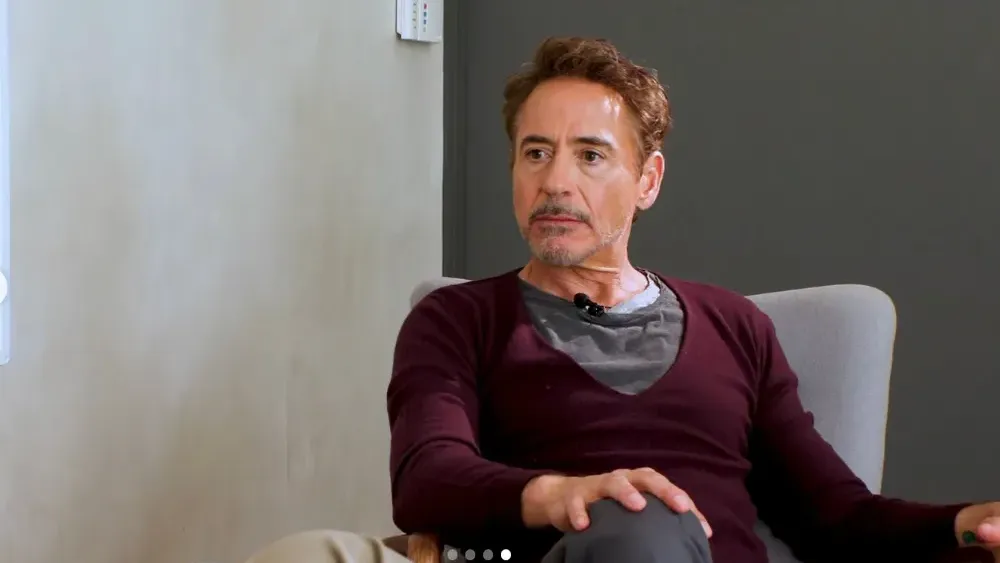
Photo Credit: Conversations for Our Daughters
by Chris Tremblay May 9
4 MIN READ
Robert Downey Jr. made his latest comments about influencer culture during an appearance on the podcast “Conversations for our Daughters,” where he reflected on how fame and celebrity have changed since his childhood. In the interview, he rejected the idea that social media influencers are destined to be “the stars of the future,” saying, “I don’t know what world you’re living into, but I think that that is absolute horses***.”
Looking back to the “late ’70s, early ’80s,” Downey Jr. said there had once been a sense that competition in entertainment “wasn’t so stiff that you shouldn’t even bother trying,” contrasting that era with a present in which “people can create celebrity without ever doing much besides rolling a phone on themselves.” He argued that this shift does not have to be viewed as inherently negative but instead represents a new “challenge” for younger generations to define their individuality beyond “a self‑aggrandising kind of influencer type thing.”
Downey Jr. linked his criticism of influencer‑as‑star narratives to a broader unease with modern celebrity culture, which he said can be built around attention rather than creative work. According to coverage of the interview, he argued that “real stars” will still be defined by what they actually create, even as social platforms allow people to build an audience simply by filming themselves.
Describing how some parts of influencer culture appear to him, he compared certain online personalities to “evangelical hucksters of the information age,” saying that the ecosystem can resemble a “religion” when audiences are encouraged to send money or donations in exchange for attention or entertainment. At the same time, he noted that the digital landscape is “a little bit of a frontier” and said he does not “really have a judgment on it,” acknowledging the complexity and novelty of this media environment.
Throughout the conversation, Downey Jr. repeatedly returned to the question of how young people choose to engage with technology, attention, and creativity. He said he hopes “the grosser part of our youth,” or, as another outlet paraphrased, a larger segment of young people in the United States, will decide that simply chasing influencer‑style fame “is not my thing” and instead say, “I want to go do something. I want to make something. I want to build something. I want to educate myself.”
He framed this as a question of inputs and outputs, suggesting that people who seek more substantial experiences and learning will produce work that goes beyond “just a self‑aggrandizing kind of influencer‑type thing.” Coverage of the podcast did not indicate that he directed his remarks at any specific creator, but instead that he was speaking in general terms about culture and the pressures facing younger generations online.
To illustrate his concerns, Downey Jr. shared an example involving his teenage son’s experience with gaming and streaming. He said his son “kind of got caught up in this whole influencer thing,” where playing a video game online quickly became linked to asking viewers, “If you like the way I’m playing this video game, do you want to send me a donation?”
Downey Jr. said that in this dynamic “it really becomes a religion,” reiterating that “there’s something about the influencers today are almost like the evangelical hucksters of the information age.” He also emphasized that this situation reflects broader structural incentives in digital platforms, where attention, engagement, and monetization are closely intertwined.
Despite the sharpness of some of his language, Downey Jr. also stressed that he does not view all influencers negatively. He acknowledged that many influencers have become integral to movie publicity campaigns and said that among those he has worked with, he has met “grounded, interesting, accomplished, cool people.”
This recognition points to the evolving relationship between traditional film studios and digital creators, in which influencers frequently collaborate on premieres, branded content, and social campaigns to boost box office awareness. In this context, Downey Jr.’s critique appears aimed less at individual content creators and more at narratives that position influencer status itself as the pinnacle of future stardom.
Downey Jr. also discussed his own approach to social media, saying he deliberately avoids becoming “consumed” by internet culture. He noted that people often tell him audiences love it when he seems “off the cuff” and offers glimpses into his life online, but he responded that, in practice, he would be “manufacturing that aspect” for viewers.
Calling that dynamic “BS,” he suggested that carefully curated behind‑the‑scenes posts can contribute to a perception of authenticity that is, in reality, carefully staged. He further described this environment as “the new hue where the audience is going to feel like they’re on the steering committee of this thing,” framing social platforms as spaces where audiences are invited to feel deeply involved in the trajectory of a public figure’s work and persona.
Downey Jr.’s remarks arrive at a moment when his own career remains highly visible, underscoring how established entertainers participate in ongoing debates over digital fame. Following an Oscar‑winning performance in “Oppenheimer,” he is next set to appear as the antagonist Doctor Doom in the Marvel film “Avengers: Doomsday,” a project that reunites him with multiple Marvel Cinematic Universe co‑stars. Reports on the film note that it features returning performers including Chris Evans, Chris Hemsworth, Anthony Mackie, Sebastian Stan, Tom Hiddleston, and Letitia Wright, as well as X‑Men actors Ian McKellen, Patrick Stewart, James Marsden, and Rebecca Romijn.
Coverage of the podcast also revisited elements of Downey Jr.’s personal history, including his early success, legal troubles, and widely reported recovery and career resurgence in the 2000s, which have made him a prominent figure in public conversations about resilience and celebrity. In speaking about influencer culture, he did not single out particular communities, and his comments as reported focused on the dynamics of platforms, celebrity, and youth rather than on specific demographic groups, leaving room for diverse creators—including LGBTQ+ people and other marginalized communities—to interpret and respond to his critique within their own experiences of digital visibility.
Critique of modern celebrity and “evangelical hucksters”
Downey Jr. linked his criticism of influencer‑as‑star narratives to a broader unease with modern celebrity culture, which he said can be built around attention rather than creative work. According to coverage of the interview, he argued that “real stars” will still be defined by what they actually create, even as social platforms allow people to build an audience simply by filming themselves.
Describing how some parts of influencer culture appear to him, he compared certain online personalities to “evangelical hucksters of the information age,” saying that the ecosystem can resemble a “religion” when audiences are encouraged to send money or donations in exchange for attention or entertainment. At the same time, he noted that the digital landscape is “a little bit of a frontier” and said he does not “really have a judgment on it,” acknowledging the complexity and novelty of this media environment.
Impact on youth and a call to create
Throughout the conversation, Downey Jr. repeatedly returned to the question of how young people choose to engage with technology, attention, and creativity. He said he hopes “the grosser part of our youth,” or, as another outlet paraphrased, a larger segment of young people in the United States, will decide that simply chasing influencer‑style fame “is not my thing” and instead say, “I want to go do something. I want to make something. I want to build something. I want to educate myself.”
He framed this as a question of inputs and outputs, suggesting that people who seek more substantial experiences and learning will produce work that goes beyond “just a self‑aggrandizing kind of influencer‑type thing.” Coverage of the podcast did not indicate that he directed his remarks at any specific creator, but instead that he was speaking in general terms about culture and the pressures facing younger generations online.
Personal example: his son and the “religion” of influence
To illustrate his concerns, Downey Jr. shared an example involving his teenage son’s experience with gaming and streaming. He said his son “kind of got caught up in this whole influencer thing,” where playing a video game online quickly became linked to asking viewers, “If you like the way I’m playing this video game, do you want to send me a donation?”
Downey Jr. said that in this dynamic “it really becomes a religion,” reiterating that “there’s something about the influencers today are almost like the evangelical hucksters of the information age.” He also emphasized that this situation reflects broader structural incentives in digital platforms, where attention, engagement, and monetization are closely intertwined.
Acknowledging “grounded” influencers and promotional realities
Despite the sharpness of some of his language, Downey Jr. also stressed that he does not view all influencers negatively. He acknowledged that many influencers have become integral to movie publicity campaigns and said that among those he has worked with, he has met “grounded, interesting, accomplished, cool people.”
This recognition points to the evolving relationship between traditional film studios and digital creators, in which influencers frequently collaborate on premieres, branded content, and social campaigns to boost box office awareness. In this context, Downey Jr.’s critique appears aimed less at individual content creators and more at narratives that position influencer status itself as the pinnacle of future stardom.
Social media, authenticity, and “manufactured” intimacy
Downey Jr. also discussed his own approach to social media, saying he deliberately avoids becoming “consumed” by internet culture. He noted that people often tell him audiences love it when he seems “off the cuff” and offers glimpses into his life online, but he responded that, in practice, he would be “manufacturing that aspect” for viewers.
Calling that dynamic “BS,” he suggested that carefully curated behind‑the‑scenes posts can contribute to a perception of authenticity that is, in reality, carefully staged. He further described this environment as “the new hue where the audience is going to feel like they’re on the steering committee of this thing,” framing social platforms as spaces where audiences are invited to feel deeply involved in the trajectory of a public figure’s work and persona.
Career context and continuing cultural influence
Downey Jr.’s remarks arrive at a moment when his own career remains highly visible, underscoring how established entertainers participate in ongoing debates over digital fame. Following an Oscar‑winning performance in “Oppenheimer,” he is next set to appear as the antagonist Doctor Doom in the Marvel film “Avengers: Doomsday,” a project that reunites him with multiple Marvel Cinematic Universe co‑stars. Reports on the film note that it features returning performers including Chris Evans, Chris Hemsworth, Anthony Mackie, Sebastian Stan, Tom Hiddleston, and Letitia Wright, as well as X‑Men actors Ian McKellen, Patrick Stewart, James Marsden, and Rebecca Romijn.
Coverage of the podcast also revisited elements of Downey Jr.’s personal history, including his early success, legal troubles, and widely reported recovery and career resurgence in the 2000s, which have made him a prominent figure in public conversations about resilience and celebrity. In speaking about influencer culture, he did not single out particular communities, and his comments as reported focused on the dynamics of platforms, celebrity, and youth rather than on specific demographic groups, leaving room for diverse creators—including LGBTQ+ people and other marginalized communities—to interpret and respond to his critique within their own experiences of digital visibility.
Copyright EDGE Media Network. All rights reserved. This material may not be published, broadcast, rewritten, or redistributed.