Perrie Edwards Recalls Little Mix Risking Arrest in Dubai After Pride Flag Performance: ‘Let Them Try’
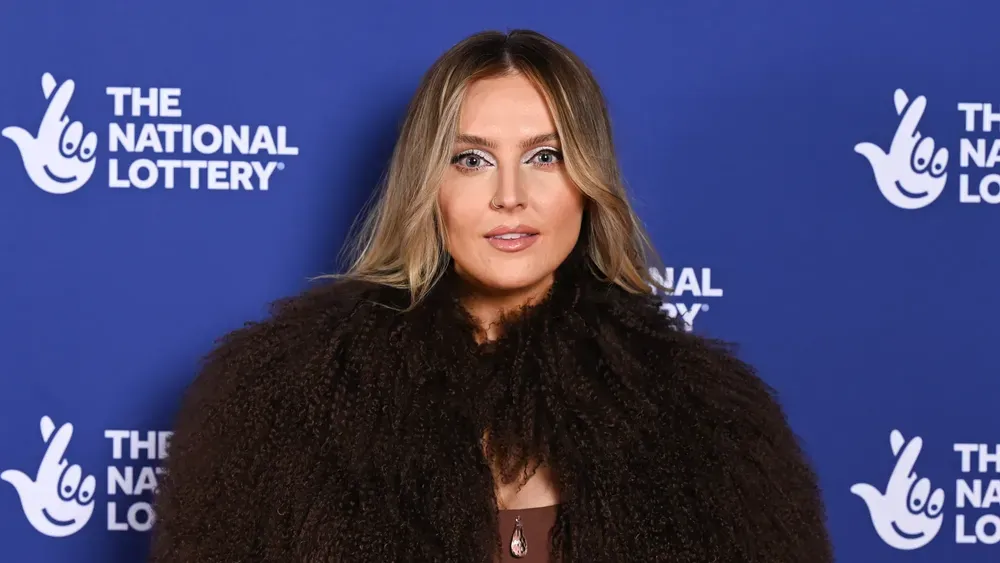
LONDON, ENGLAND - DECEMBER 04: Perrie Edwards attends The National Lottery New Year's Eve Big Bash 2024 at OVO Arena Wembley on December 04, 2024 in London, England. Photo Credit: Jeff Spicer
In late May 2026, English singer Perrie Edwards described how Little Mix believed they might be arrested in Dubai after choosing to perform with a Pride flag on screen in a country where same-sex relationships and overt LGBTQ+ expression are criminalised. Edwards spoke about the episode in an interview ahead of her solo appearance at London festival Mighty Hoopla, recalling the tension among the group’s team and the possibility of repercussions as they travelled through the airport after the show.
‘Let them try’: Edwards on airport fears
Speaking to LGBTQ+ magazine Attitude, Edwards said she clearly remembers the concern surrounding the Dubai show and its aftermath. “I remember our team stressing and everything like that,” she recalled, explaining that staff warned the band there could be trouble when they tried to leave the country following the performance with the Pride imagery.
Edwards said there were specific worries about being stopped at the airport, but that the group responded defiantly. “When we got to the airport, I think it was our team at the time were scared we were going to get pulled at the airport,” she told the magazine, adding that the band’s attitude was: “Oh well, let them try.”
Edwards described the decision to go ahead with the Pride flag as deliberate, even after being warned about the UAE’s stance on LGBTQ+ rights. “At the end of the day we did it because we wanted to do it, and it means so much to our fans,” she said, framing the moment as an act of solidarity with LGBTQ+ listeners who have long embraced the group’s music.
A long-standing LGBTQ+ anthem in a hostile legal landscape
Little Mix performed in Dubai on 23 March 2019 as part of The Assembly: A Global Teacher Prize Concert, sharing the bill with artists including Rita Ora and Liam Payne. During “Secret Love Song,” widely understood as an anthem for people in same-gender or otherwise marginalised relationships, the group performed under a giant rainbow flag projected across the stage screens.
Homosexuality is illegal in the United Arab Emirates, and in Dubai consensual same-sex acts can carry prison sentences, fines and other penalties under a combination of federal and emirate-level laws. Reporting around the time of the concert highlighted that promoting LGBTQ+ symbols or imagery, such as the rainbow Pride flag, can also attract scrutiny from authorities in the country.
Fans and commentators described the moment as unusually bold for a mainstream pop act performing in the Gulf. Social media clips circulated widely at the time, with posts pointing out that the group were performing a song interpreted as a queer love ballad under a Pride flag in a jurisdiction where being openly LGBTQ+ can result in imprisonment.
Previous accounts from Jade Thirlwall and ongoing allyship
Edwards’ fresh comments echo earlier descriptions by bandmate Jade Thirlwall, who has previously written about fearing arrest after the same Dubai performance. In an essay on LGBTQ+ allyship for UK newspaper Metro, Thirlwall said the group had been repeatedly told to “abide by the rules,” including not promoting anything “LGBT+ or too female-empowering,” before deciding they would either stay home or “go and make a point.”
Thirlwall wrote that during “Secret Love Song,” the band performed with the LGBTQ+ flag “taking up the whole screen behind us,” and later received “so many positive tweets and messages from the community.” She said that lying awake in their hotel rooms “s**tting ourselves that we’d get arrested that night” felt worth it after seeing the response from LGBTQ+ fans.
The group’s history of LGBTQ+ allyship predates the Dubai concert, including marching at Manchester Pride and explicitly embracing “Secret Love Song” as a queer anthem dedicated to people in relationships that are hidden or marginalised. Thirlwall and her bandmates have previously stated that their LGBTQ+ supporters are central to their career, and have used tour stops and public appearances to send affirming messages, including dedicating performances to victims of anti-LGBTQ+ violence such as the Orlando Pulse nightclub shooting.
‘A two-way street’ with LGBTQ+ fans
In her new interview, Edwards emphasised that the Pride flag decision reflected Little Mix’s relationship with LGBTQ+ fans rather than a one-off gesture. She described these fans as “such a core fanbase for so many years” and characterised the connection as “a two-way street” in which the group and their supporters “go above and beyond” for each other.
Edwards said the Dubai moment “meant so much to so many people at the time,” adding that if it had led to trouble with authorities, “then so be it,” because Little Mix “didn’t really care about that.” She framed the group’s priority as doing “everything for our fans and for the people that support us,” reinforcing how central LGBTQ+ listeners remain to their public identity even as members focus on solo projects.
In the Attitude interview, Edwards also discussed raising her child in a climate where she wants young people to “be anything you want to be, love who you want to love,” tying her parenting values to broader ideas of acceptance and self-determination. That stance aligns with Little Mix’s public messaging over the years, in which the band has often encouraged fans to embrace their identities and relationships, including LGBTQ+ identities that face legal and social barriers in many parts of the world.
Ongoing resonance of the Dubai performance
Edwards’ recollection comes as she prepares for solo performances and as fans continue to discuss the possibility of a future Little Mix reunion. In the same Attitude interview, she confirmed that the three current members have been in talks about performing together again, though no specific timeline or format has been formally announced.
For many LGBTQ+ fans, the Dubai performance is remembered as an instance of high-profile artists using a global stage to centre a community often forced into invisibility, particularly in regions with restrictive laws. By revisiting the experience in 2026 and underlining the calculated risk the group believed they were taking, Edwards has renewed public attention on how entertainers navigate the tension between local laws and commitments to LGBTQ+ inclusion.
Her account also highlights how LGBTQ+ fans, including lesbian, gay, bisexual, transgender and queer people in countries with restrictive laws, often look to global artists and tours for visible affirmation that their identities and relationships are valid. Edwards’ framing of the Dubai Pride flag moment as “worth it” for the people it reached underscores how acts of visibility by mainstream performers can resonate far beyond a single night’s show.
Copyright EDGE Media Network. All rights reserved. This material may not be published, broadcast, rewritten, or redistributed.