Gayle King Recounts Catching Ex-Husband Cheating With Close Friend, Says She Turned Only to Oprah
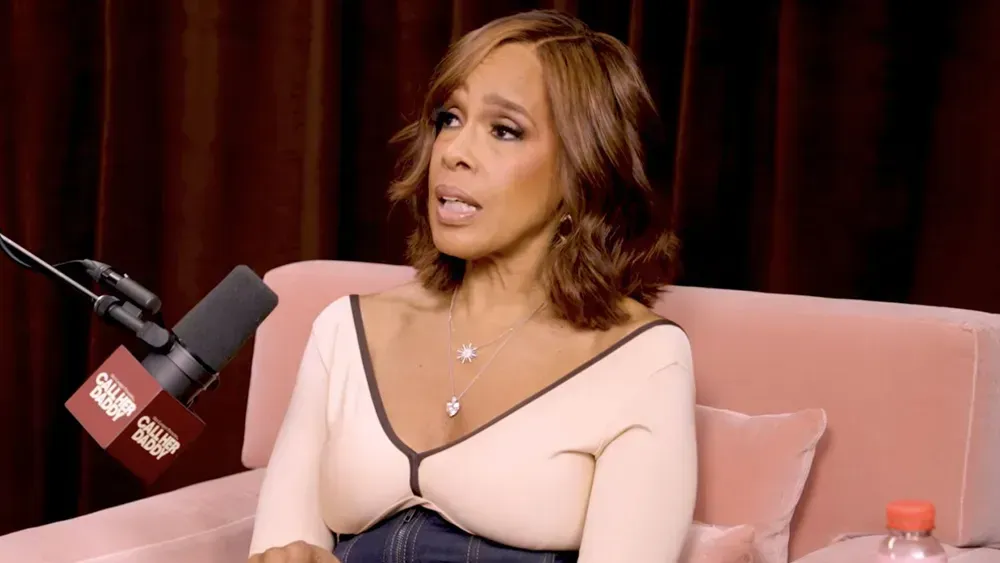
Photo Credit: Call Her Daddy
by Chris Tremblay May 28
5 MIN READ
Broadcast journalist Gayle King has gone into rare, granular detail about discovering her ex-husband’s infidelity with one of her close friends, recounting the story in a newly released episode of the Call Her Daddy podcast hosted by Alex Cooper. The conversation, published on May 27, 2026, quickly generated widespread coverage as King described the confrontation, the involvement of police, and how she leaned on Oprah Winfrey in the aftermath.
King, a co-host of CBS Mornings and a long‑time media figure, has previously acknowledged that her marriage ended because of infidelity but had not often described the discovery itself in such vivid terms. In the new interview, she framed the experience as a turning point in both her personal life and her understanding of trust and betrayal in intimate relationships.
King explained that she discovered the affair on a day when her travel plans unexpectedly changed, leading her to arrive home earlier than her then-husband expected, with their two young children and the nanny in tow. She said her flight had been delayed or canceled, and she did not call ahead to say she was returning early, assuming she would simply walk into a normal day at home.
When King arrived, she immediately noticed that the house alarm was set, which she found unusual because her husband typically did not activate it while he was home alone. She recalled thinking, “That’s strange, you’re in here by yourself,” a small but telling signal that something in the household dynamic had changed.
King recounted that as she entered the home, the alarm sounded and her then-husband, attorney William Bumpus, came “flying” out of the bedroom wearing only a towel, trying to prevent her from going into the room. He reportedly told her that someone was inside and insisted she could not enter, which she said only heightened her suspicion.
Ignoring his attempts to block her, King said she searched the house until she discovered a woman hiding behind a door, also wrapped in one of King’s towels. She described the woman as “cowering behind the door” in a bath sheet she characterized as a particularly nice towel, underlining the surreal, domestic intimacy of the moment.
King has not publicly named the friend, referring to her as “Casey” in the podcast conversation and noting that the woman was herself married with children who were close to King’s children. The broadcaster said the families were close enough that her children saw the woman as an “aunt,” underscoring how deeply intertwined the two households had become before the affair came to light.
In the interview, King recalled asking the friend how she could be in her house under those circumstances and telling her, “I thought we were friends,” a line she described as “so pitiful” in retrospect. She said the shock of seeing a trusted friend in that position, combined with the presence of her children in the home, intensified the sense of betrayal.
King told Cooper that the incident became chaotic enough that police arrived at the home, responding to the alarm and the disturbance. She recounted that officers recognized her as a public figure, adding a layer of public embarrassment to an already private crisis.
In another detail that has drawn particular attention, King said her then-husband ultimately drove the friend to the train station so she could return to her own husband, whom King called “Richard” for the purpose of the story. She emphasized the irony of being left alone in the house after discovering the infidelity while her spouse ensured the other woman could leave and manage her own marital situation.
King noted that she had previously sensed a subtle shift between her husband and the friend during a social interaction, recalling the way the friend said “Nice shot, Bill” with a look that made her briefly question whether she was imagining tension. She said that when she later confronted her husband about the dynamic, he attempted to “gaslight” her into doubting her instincts, an experience she now interprets as part of a broader pattern of deception.
Following the confrontation, King said the first and only person she called to share the full story was Oprah Winfrey, with whom she has maintained a close, decades‑long friendship. She described reaching out to Winfrey to vent and process the shock, emphasizing how much she relied on that relationship during one of the most painful periods of her life.
According to King, Winfrey told her that the incident suggested the betrayal had likely been going on longer and more extensively than she realized, encouraging her to acknowledge the full weight of what had occurred. King added that she might not have believed Winfrey if she had voiced those concerns earlier, acknowledging in the podcast that people in painful relationships can sometimes refuse to see warning signs.
King also referenced an “antidote” she said she learned from Winfrey about how some people receive small warnings about difficult truths while others experience major, life‑altering revelations, framing her discovery as one of those dramatic wake‑up calls. She connected that idea to broader patterns of infidelity and denial, noting that ignoring early signs can sometimes lead to more painful exposures later on.
King married Bumpus in 1982, and the couple divorced in 1993 after roughly 11 years of marriage, with King having long said that infidelity was a central reason for the breakup. They share two children, and King has emphasized in past interviews that she worked through the emotional fallout over time and does not identify as bitter about the experience.
In 2016, Bumpus issued a public statement apologizing to King after she referenced the woman she caught him with in a Vanity Fair interview, though that earlier apology has been re‑contextualized in light of the current media attention. More recently, Bumpus has again apologized through a statement reported this week, acknowledging his infidelity and expressing regret for the pain he caused.
In the new reporting, Bumpus is quoted as saying he has nothing but the “utmost respect” for King and that he has long felt remorseful for the betrayal, which occurred nearly four decades ago. King, in turn, has focused publicly on how she rebuilt her life and career afterward rather than dwelling on the specifics of his statements.
During the Call Her Daddy appearance, King also addressed long‑running speculation that she and Winfrey are in a romantic relationship, a rumor that has circulated for years and has often been framed through stigmatizing commentary about LGBTQ+ people. She reiterated that their connection is a deep friendship rather than a romantic partnership, pushing back on assumptions about their relationship while affirming the validity of same‑gender relationships more broadly.
The episode’s release has prompted renewed discussion in entertainment and social media spaces about how public figures’ friendships, especially between women, are often sexualized or mischaracterized, including in ways that can both reinforce stereotypes and, at times, dismiss the real experiences of lesbian and bisexual women. Coverage has also intersected with ongoing conversations about betrayal within close-knit communities and how people—of all genders and orientations—seek support after intimate partner violence, infidelity, or emotional harm.
King’s decision to revisit the story now, decades after the events and years into a high‑profile career, positions her narrative alongside a wider cultural trend of people using podcasts and long‑form interviews to share complex personal histories on their own terms. The reaction underscores how stories of betrayal, trust, and healing can resonate across audiences, including LGBTQ+ listeners who may identify with the themes of secrecy, stigma, and the search for chosen family support, even when the relationships at the center of the story are not themselves queer.
The day a canceled flight changed everything
King explained that she discovered the affair on a day when her travel plans unexpectedly changed, leading her to arrive home earlier than her then-husband expected, with their two young children and the nanny in tow. She said her flight had been delayed or canceled, and she did not call ahead to say she was returning early, assuming she would simply walk into a normal day at home.
When King arrived, she immediately noticed that the house alarm was set, which she found unusual because her husband typically did not activate it while he was home alone. She recalled thinking, “That’s strange, you’re in here by yourself,” a small but telling signal that something in the household dynamic had changed.
King recounted that as she entered the home, the alarm sounded and her then-husband, attorney William Bumpus, came “flying” out of the bedroom wearing only a towel, trying to prevent her from going into the room. He reportedly told her that someone was inside and insisted she could not enter, which she said only heightened her suspicion.
Finding a friend “cowering behind the door”
Ignoring his attempts to block her, King said she searched the house until she discovered a woman hiding behind a door, also wrapped in one of King’s towels. She described the woman as “cowering behind the door” in a bath sheet she characterized as a particularly nice towel, underlining the surreal, domestic intimacy of the moment.
King has not publicly named the friend, referring to her as “Casey” in the podcast conversation and noting that the woman was herself married with children who were close to King’s children. The broadcaster said the families were close enough that her children saw the woman as an “aunt,” underscoring how deeply intertwined the two households had become before the affair came to light.
In the interview, King recalled asking the friend how she could be in her house under those circumstances and telling her, “I thought we were friends,” a line she described as “so pitiful” in retrospect. She said the shock of seeing a trusted friend in that position, combined with the presence of her children in the home, intensified the sense of betrayal.
Police, an exit to the train station, and a deeper betrayal
King told Cooper that the incident became chaotic enough that police arrived at the home, responding to the alarm and the disturbance. She recounted that officers recognized her as a public figure, adding a layer of public embarrassment to an already private crisis.
In another detail that has drawn particular attention, King said her then-husband ultimately drove the friend to the train station so she could return to her own husband, whom King called “Richard” for the purpose of the story. She emphasized the irony of being left alone in the house after discovering the infidelity while her spouse ensured the other woman could leave and manage her own marital situation.
King noted that she had previously sensed a subtle shift between her husband and the friend during a social interaction, recalling the way the friend said “Nice shot, Bill” with a look that made her briefly question whether she was imagining tension. She said that when she later confronted her husband about the dynamic, he attempted to “gaslight” her into doubting her instincts, an experience she now interprets as part of a broader pattern of deception.
Confiding only in Oprah Winfrey
Following the confrontation, King said the first and only person she called to share the full story was Oprah Winfrey, with whom she has maintained a close, decades‑long friendship. She described reaching out to Winfrey to vent and process the shock, emphasizing how much she relied on that relationship during one of the most painful periods of her life.
According to King, Winfrey told her that the incident suggested the betrayal had likely been going on longer and more extensively than she realized, encouraging her to acknowledge the full weight of what had occurred. King added that she might not have believed Winfrey if she had voiced those concerns earlier, acknowledging in the podcast that people in painful relationships can sometimes refuse to see warning signs.
King also referenced an “antidote” she said she learned from Winfrey about how some people receive small warnings about difficult truths while others experience major, life‑altering revelations, framing her discovery as one of those dramatic wake‑up calls. She connected that idea to broader patterns of infidelity and denial, noting that ignoring early signs can sometimes lead to more painful exposures later on.
Marriage, divorce, and a later apology
King married Bumpus in 1982, and the couple divorced in 1993 after roughly 11 years of marriage, with King having long said that infidelity was a central reason for the breakup. They share two children, and King has emphasized in past interviews that she worked through the emotional fallout over time and does not identify as bitter about the experience.
In 2016, Bumpus issued a public statement apologizing to King after she referenced the woman she caught him with in a Vanity Fair interview, though that earlier apology has been re‑contextualized in light of the current media attention. More recently, Bumpus has again apologized through a statement reported this week, acknowledging his infidelity and expressing regret for the pain he caused.
In the new reporting, Bumpus is quoted as saying he has nothing but the “utmost respect” for King and that he has long felt remorseful for the betrayal, which occurred nearly four decades ago. King, in turn, has focused publicly on how she rebuilt her life and career afterward rather than dwelling on the specifics of his statements.
Addressing rumors and affirming identities
During the Call Her Daddy appearance, King also addressed long‑running speculation that she and Winfrey are in a romantic relationship, a rumor that has circulated for years and has often been framed through stigmatizing commentary about LGBTQ+ people. She reiterated that their connection is a deep friendship rather than a romantic partnership, pushing back on assumptions about their relationship while affirming the validity of same‑gender relationships more broadly.
The episode’s release has prompted renewed discussion in entertainment and social media spaces about how public figures’ friendships, especially between women, are often sexualized or mischaracterized, including in ways that can both reinforce stereotypes and, at times, dismiss the real experiences of lesbian and bisexual women. Coverage has also intersected with ongoing conversations about betrayal within close-knit communities and how people—of all genders and orientations—seek support after intimate partner violence, infidelity, or emotional harm.
King’s decision to revisit the story now, decades after the events and years into a high‑profile career, positions her narrative alongside a wider cultural trend of people using podcasts and long‑form interviews to share complex personal histories on their own terms. The reaction underscores how stories of betrayal, trust, and healing can resonate across audiences, including LGBTQ+ listeners who may identify with the themes of secrecy, stigma, and the search for chosen family support, even when the relationships at the center of the story are not themselves queer.
Copyright EDGE Media Network. All rights reserved. This material may not be published, broadcast, rewritten, or redistributed.