Karamo Brown Says Unresolved ‘Queer Eye’ Trauma Led to Relapse After 12 Years Sober
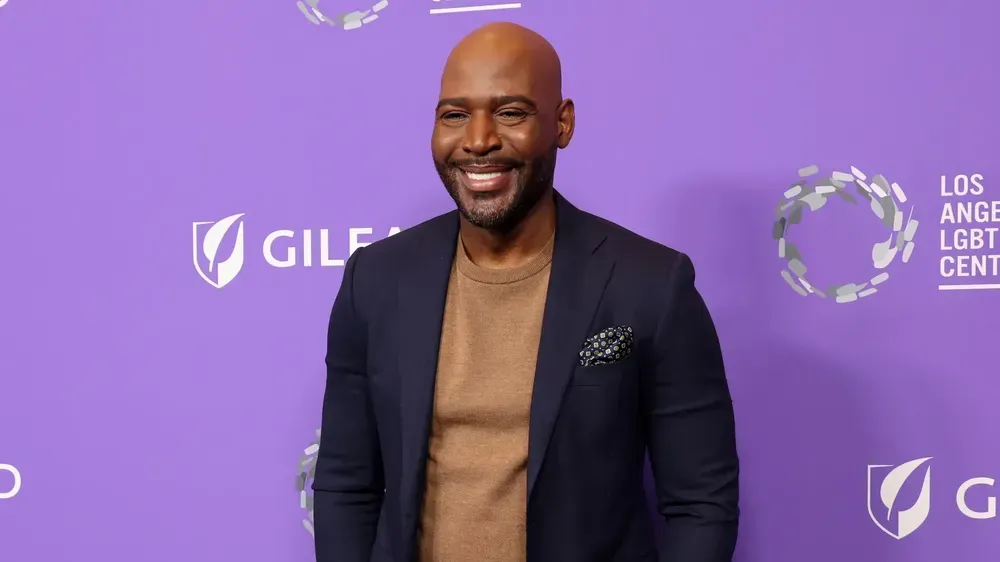
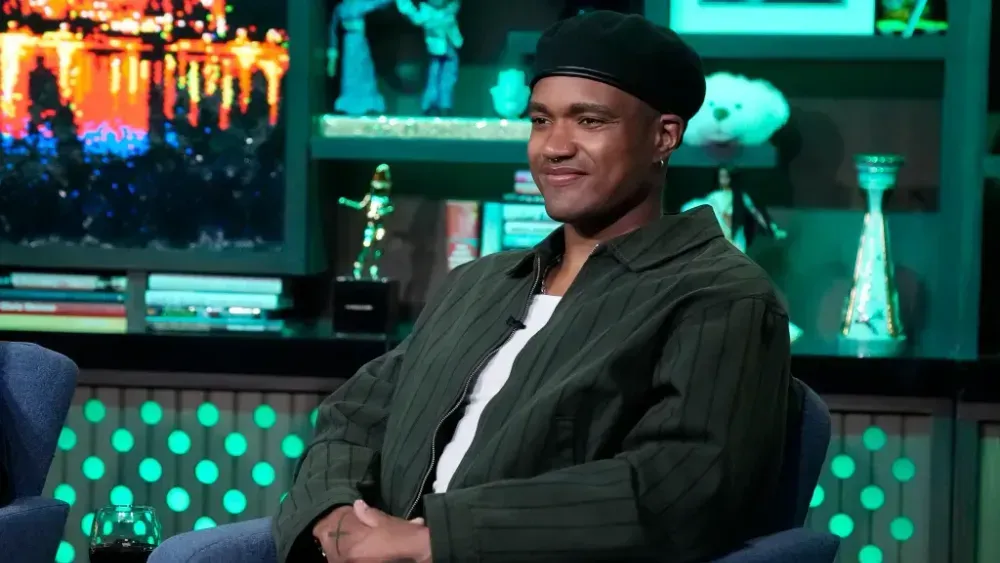
LOS ANGELES, CALIFORNIA - APRIL 22: Karamo Brown attends The Los Angeles LGBT Center Gala at Fairmont Century Plaza on April 22, 2023 in Los Angeles, California. Photo Credit: Monica Schipper
Karamo Brown, the culture expert from Netflix’s Queer Eye, has publicly detailed a relapse into substance use that occurred in 2018, 12 years after he first got sober. In a new interview with People magazine, Brown connects that relapse to what he describes as a toxic work environment on Queer Eye, saying he “struggled with not facing my demons and the things I was going through on Queer Eye.”
‘I wasn’t coping right’: relapse after 12 years sober
Brown explains that his relapse came after more than a decade without drugs or alcohol, a period of sobriety he traces back to 2006, when he learned he was a father and decided to stop using substances. According to the new accounts, he relapsed while filming Queer Eye’s third season in 2018, describing how what started as workplace stress relief escalated into a broader return to substance use.
He says the pattern often began innocuously: “It was: ‘I’m stressed from work, meet me at a bar for a drink,’” Brown recalls in the People interview, adding that “a drink would lead to weed, cocaine, pills.” He reflects that he “wasn’t coping right” and was pretending to function while feeling “so broken,” emphasizing that for him, the core struggle was not only the substances but the “feelings underneath” that he had not faced.
Brown also offers specific examples of his substance use during that period, saying that after a couple of beers he could “smoke weed…all night and not be able to function,” and that he might use cocaine “to keep the party going and make me feel connected when it did not.” He frames these experiences as part of a larger struggle with avoidance and emotional pain, underscoring that what he now teaches others is that “it’s not the substance you’re struggling with, it’s the feelings underneath that you haven’t focused on.”
Behind-the-scenes tension and family impact
Brown’s disclosure about relapse is intertwined with his decision to publicly address a reported breakdown in relationships with some of his Queer Eye colleagues and with production staff. He alleges that over time, certain behavior by cast members and executives was excused rather than challenged, saying, “Everyone would just say, ‘Well, that’s just that person,’ instead of saying, ‘This behavior does not fly in a professional environment,’” and that this “impacted me negatively, consistently.”
He also recounts clashes with members of the production team, claiming that one person told him, “You are not a star. I will get rid of you tomorrow,” a comment he says came amid ongoing conflict about how concerns were handled behind the scenes. The atmosphere, he says, contributed to his depression and compounded the shame he felt about not living up to the hopeful message he promoted to participants on the show.
One turning point, Brown says, came when his mother visited the set and allegedly overheard several of his co‑stars speaking negatively about him. He recalls seeing “the tears” in her eyes as she repeated, “I thought they were your friends,” an experience he describes as clarifying his need to stop staying silent about how often he felt like an outsider within the group.
Brown emphasizes that he also recognizes his own role in the fallout, telling People that “there were times I was hurt and would lash back out,” and that doing more intensive personal work over the last year and a half has helped him examine those reactions. He says that creating distance from some promotional duties—including his decision not to join his Queer Eye colleagues for a CBS Mornings appearance earlier this year—has been part of “protecting” his mental health and peace.
Recovery, accountability and a new chapter
Brown says he has now been sober again for about a year and a half, attributing the renewed commitment in part to a frightening incident in which a guest had a negative reaction to a substance at his home. He recounts that “since that day, I’ve not had a single drink, cocktail—nothing,” describing his current sobriety as supported by a 12‑step program and regular recovery meetings.
He links his renewed sobriety to a broader sense of purpose rooted in family, noting that he first got sober in 2006 after discovering he had a son, Jason, and that becoming a parent “healed” something in him and clarified his responsibilities. Brown also says his commitment has deepened as he prepares to become a grandfather, sharing that learning Jason is expecting a child made him feel that his sobriety is “even more important” for the next generation.
In the People interview, Brown frames the last year and a half as a period of intensive personal work, saying that this “new chapter feels safe and it feels triumphant because it has been a year‑and‑a‑half of real work on myself.” He says that work has included making amends, setting firmer boundaries, and speaking more openly about experiences—including his relapse—that he previously kept private out of fear and shame.
Brown has shared aspects of his mental health journey before, previously disclosing a suicide attempt in 2006 and describing how support from loved ones and access to care helped him survive. His latest remarks, however, add new detail about the pressures of reality television production and the way those pressures intersected with his recovery, especially as a highly visible gay Black man whose on‑screen persona centers emotional vulnerability and self‑acceptance.
Wider conversations on sobriety and LGBTQ+ mental health
Brown’s account arrives amid broader conversations about mental health, addiction and labor conditions in the entertainment industry, particularly for LGBTQ+ people and people of color who may face overlapping pressures on and off camera. Advocacy organizations and clinicians have long noted higher reported rates of substance use disorders and mood disorders among LGBTQ+ communities compared with the general population, often linked to stigma, discrimination and chronic stress, though Brown’s interview does not cite specific statistics.
By tying his relapse to “not facing my demons” and to unaddressed workplace dynamics, Brown implicitly underscores themes that resonate across recovery communities: the importance of safe working conditions, the need for supportive environments, and the reality that sobriety is often an ongoing, non‑linear process. He also reiterates a message aligned with many harm‑reduction and recovery perspectives: that addressing underlying pain, trauma and mental health concerns is central to sustainable recovery from substance use.
Brown says he hopes his experience will encourage others to seek help and explore life without drugs or alcohol, describing sobriety as not only possible but “so fun” and fulfilling. For LGBTQ+ viewers and others who have followed his story, his willingness to speak about relapse as part of a longer recovery journey may offer a reminder that setbacks do not erase progress, and that support, treatment options and community remain available.
Copyright EDGE Media Network. All rights reserved. This material may not be published, broadcast, rewritten, or redistributed.