Jonathan Bailey Reflects On Fearing His Sexuality Would Hinder His Career In New Elton John Awards Conversation
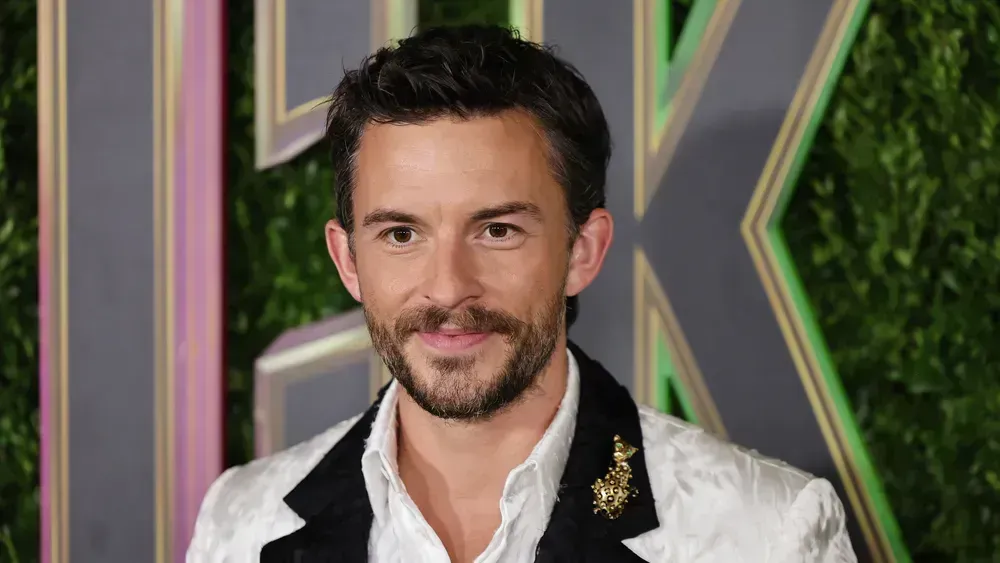
NEW YORK, NEW YORK - NOVEMBER 14: Jonathan Bailey attends the "Wicked" New York Premiere at the Museum of Modern Art on November 14, 2024 in New York City. Photo Credit: (Photo by Theo Wargo/Getty Images)
Jonathan Bailey has said he once believed “to be gay would be a hindrance” to his career, speaking during a discussion with Sir Elton John at the inaugural Elton John Impact Awards. The British actor, known for roles in Bridgerton and the upcoming Wicked films, explained that in his early twenties he understood there were “possibilities and limits” placed on queer actors and how audiences, and the industry, might respond to their visibility.
During the conversation, Bailey recalled a clear decision not to hide his relationships despite these anxieties. He explained that he “wasn’t gonna not hold my boyfriend’s hand in the street,” describing this choice as something he felt “so strongly in an animal sense,” and adding that, if this visibility did reduce his work prospects, he was “willing to take that risk.”
Earlier industry pressures and limiting narratives
Bailey’s latest comments align with earlier interviews in which he has described hearing, early in his career, that being openly gay could damage an actor’s prospects. In a 2022 profile for GQ Hype, reported by outlets including Bustle, Bailey recounted a story about a fellow actor being told by an industry figure that there were “two things we don’t want to know: if you’re an alcoholic or if you’re gay,” a comment he said shaped his perception of what was possible for out actors.
He has said that hearing this kind of advice contributed to a belief that, “in order to be happy,” he “needed to be straight,” reflecting the internalised pressure created by homophobic industry attitudes. Bailey has also described reaching a turning point where he decided he would rather “hold my boyfriend’s hand in public” or use his own photo on dating apps than hide who he was to secure a role, indicating a shift from fear to a more assertive, values-driven approach to his career.
In an earlier conversation with actor Sir Ian McKellen for Attitude magazine, summarised by Bustle, Bailey said that industry figures, including some who were themselves queer, had once advised him not to come out on the grounds that it could harm his career. He emphasised that he had not been dishonest about his identity, but that he had not previously been encouraged to speak about it publicly, highlighting how silence can be imposed on LGBTQ+ performers without explicit closet demands.
Growing up gay and feeling constrained
Bailey’s reflections at the Elton John Impact Awards follow recent interviews where he has spoken about feeling isolated as a gay student and worried that his sexuality would limit his opportunities. In a 2025 interview with Sky News reported by outlets including Attitude and the Times of India, he said he “felt scared” and “alone” growing up, describing his experience as feeling “entirely limited at various points” in his life.
He told Sky News that, from a young age, “something that was very specific and clear” to him about who he was “wasn’t safe and it wasn’t celebrated,” comparing the feeling to being in a “straight jacket.” In the same coverage, he linked this experience of constraint to broader “limiting narratives” imposed on people across sexuality, race, class and geography, and stressed the importance of breaking free from those scripts.
Bailey also reflected that he once doubted whether he could perform certain kinds of roles, such as Shakespeare, because he had not gone to drama school and because he was gay. He said he “thought not only was I not going to be able to play these sorts of parts because of my sexuality, but that I wouldn’t be able to do Shakespeare because I didn’t go to drama school,” underlining how structural and social barriers can intersect for LGBTQ+ performers from outside traditional training pathways.
Shifts in Hollywood and representation
Bailey’s career has developed at a time of evolving, but still contested, attitudes toward LGBTQ+ representation in mainstream film and television. In a 2025 interview about Jurassic World: Rebirth, he acknowledged that “being an out gay actor” historically meant “you wouldn’t be able to play straight” and that there were very few gay roles to pursue, but he also pointed to positive changes in Hollywood over recent years.
He has said there are “moments where, yes, you have to be excellent to prove that you can do it,” describing the “weight of history” and of “endless brilliant people who have come before” who changed how audiences view sexuality on screen. Bailey linked this to ongoing debates about who can play which roles, arguing that any “sense of prejudice against sexuality is something to fight against,” and suggesting that one way to challenge it is for queer actors to play “any kind of character,” including leading roles in major franchises.
In other interviews, Bailey has spoken about how perceptions of “playing gay” have shifted over time within the industry. He noted that, at different points, straight actors taking gay roles were first seen as taking a risk and later as aligning themselves with a path to awards recognition, underscoring how queer stories can be valued while openly queer performers still face barriers.
Impact for LGBTQ+ youth and audiences
Bailey has repeatedly framed his visibility as a gay man as a way to challenge assumptions and provide representation for younger audiences. Speaking about his role in Bridgerton, he has said he wanted to be open about his sexuality because there might be “a boy somewhere” in one of Netflix’s global territories who sees him and recognises something about their own identity, a perspective that aligns with his comments about breaking “limiting narratives.”
On the Wicked press tour, Bailey told Sky News he wanted to spare LGBTQ+ children the sense of fear and isolation he experienced, describing how he had felt it “wasn’t safe” to be himself when he was younger. He said “it became clear quite early on” that key parts of who he was “weren’t safe” or celebrated, and he has cast his current visibility as part of a broader effort to ensure that future generations of LGBTQ+ young people feel less constrained.
His remarks at the Elton John Impact Awards place this long-running personal narrative—of early fear, industry pressure, and deliberate openness—into a conversation focused on the wider cultural influence of LGBTQ+ artists and advocates. The event, established to highlight contributions and initiatives aligned with Elton John’s longstanding activism, provided a platform for Bailey to connect his individual story of perceived “hindrance” with a broader, ongoing debate about how entertainment industries treat openly queer performers.
Copyright EDGE Media Network. All rights reserved. This material may not be published, broadcast, rewritten, or redistributed.