Cara Delevingne Embraces “Very Proud Lesbian” Identity After Years of Discomfort With Labels
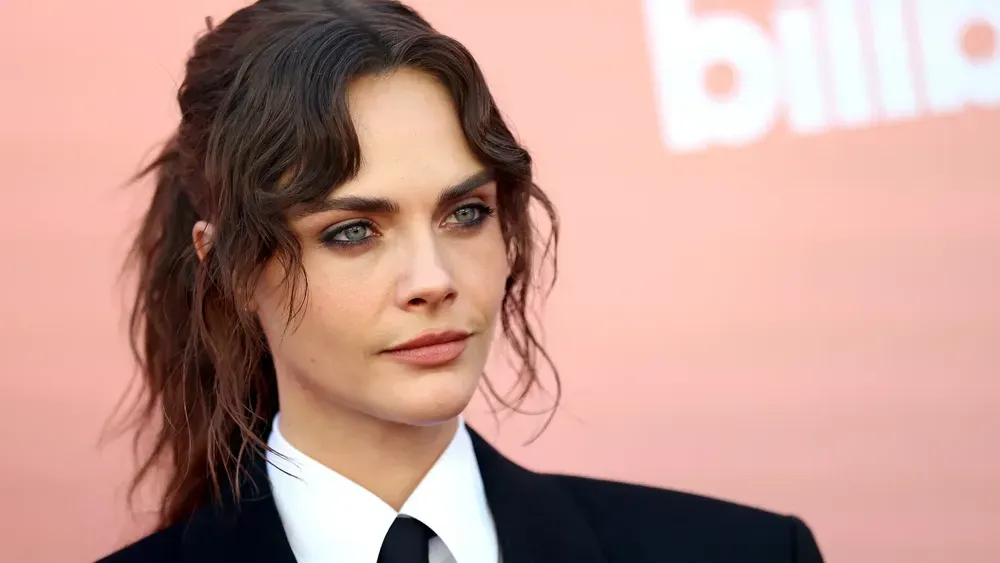
LOS ANGELES, CALIFORNIA - APRIL 29: Cara Delevingne attends 2026 Billboard Women In Music at Hollywood Palladium on April 29, 2026 in Los Angeles, California.Photo Credit: Monica Schipper
In late May 2026, actor, model, and musician Cara Delevingne stated that she is “a very proud lesbian” while also acknowledging a long‑standing discomfort with labels for her sexuality. In a newly released video conversation tied to her upcoming music debut, Delevingne explained that while she has “always hated labels,” she is now “very happy to say I’m a lesbian” and does not see herself “being with anyone else for the rest of my life.”
A viral onstage “confessional”
Earlier in May, Delevingne drew global attention when she joined Spanish singer Rosalía onstage during a London stop of Rosalía’s tour and participated in a theatrical “confessional” segment at The O2 arena. In the bit, Rosalía played a priest while Delevingne, speaking from behind a confessional screen, told the crowd, “If you didn’t know already, I’m a lesbian, and my weakness used to be straight women,” a line that quickly circulated across social media.
Delevingne elaborated onstage that she historically felt drawn to women who identified as straight, describing it as “the challenge” and adding that she did not believe “anyone is fully straight.” She also jokingly suggested that some men “didn’t know how to pleasure their girlfriends well enough,” saying she “did that for them,” a remark that generated both laughs in the arena and debate online about stereotypes, humor, and queer women’s experiences.
Toward the end of the confessional segment, Delevingne shifted from jokes to vulnerability, reflecting on how intimacy dynamics have changed now that she is in a committed relationship with singer Minke. She told the audience that she used to love being “the dominant one” and “taking control” but realized that this was partly because she was “scared of being seen” and hesitant to be emotionally “submissive” and receive love, adding that she now feels ready to let herself be more vulnerable.
From public fluidity to a clear label
Delevingne has previously described her sexuality in more fluid terms, including identifying as pansexual, and has spoken about attraction to more than one gender across several interviews over the past decade. In 2015, she rejected the suggestion that relationships with women were a “phase,” telling The New York Times, “My sexuality is not a phase. I am who I am,” after controversy over an earlier Vogue profile that speculated her attraction to women might be temporary.
Coverage of that 2015 Vogue backlash noted that a writer appeared to link Delevingne’s queerness to her complicated relationship with her mother, prompting criticism from LGBTQ+ advocates who argued that the article pathologized her sexuality. In subsequent years, Delevingne spoke frequently about sexual fluidity and being a queer woman, including in interviews that explored her gender expression and her role in shows like “Planet Sex,” which examined different aspects of global queer culture.
Her most recent comments mark a shift from emphasizing fluidity and resistance to categorization toward explicitly calling herself a lesbian, even as she reiterates that she dislikes being boxed in by any label. An updated entry on her Wikipedia biography also notes that Delevingne publicly revealed she is a lesbian in 2026 after previously identifying as pansexual, reflecting how media records are now integrating her new self‑description.
Discomfort with labels and online scrutiny
In her Variety “Up Next” conversation, released May 29, 2026, Delevingne responded directly to social media debate sparked by the Rosalía tour moment and by her dating history. She noted that after she said “I’m a lesbian” onstage, some commenters insisted “She’s not gay, she’s pan” or referenced her past relationships with men, which she characterized as part of a broader tendency for the public to police queer people’s identities.
Delevingne emphasized that she has “always hated labels” and believes no one should feel obligated to categorize their sexuality in a specific way if it does not feel right. At the same time, she described claiming “lesbian” now as something that feels aligned with her current life and long‑term plans, saying she does not envision being with anyone else and wants to have a family with her current partner.
At one point in the interview, Delevingne added with characteristic humor that she likes to “mess with people” by bluntly stating “I’m a lesbian,” even as she reiterates that no one should be forced to “put a label on” themselves. This mix of playfulness and seriousness underscores how she navigates the expectations placed on high‑profile LGBTQ+ figures to serve as both representatives and individuals with evolving identities.
Sobriety, music, and a new chapter
Delevingne’s reflections on identity came as part of a wider conversation about her personal and professional transformation, including three years of sobriety and the launch of her first full‑length music project. The Variety “Up Next” segment, which runs just over 30 minutes, focuses on how she moved through a period of emotional crisis, including episodes like “crying in the shower,” before allowing herself to make music seriously.
In the interview, Delevingne discusses sharing a music video with friend Taylor Swift, working on a second album even before releasing the first, and weaving queer themes into her creative work. She also mentions everyday details, like the elaborate names she has given her cats, framing these anecdotes as part of a grounded life that coexists with public scrutiny and intense media attention.
Delevingne links her ability to be more open about her sexuality and relationship to the stability she has found in recovery and in a supportive partnership. In recounting how she once coped with internalized shame around her queerness, she positions her current self‑description as a lesbian as part of a broader healing process rather than a sudden change.
Impact on LGBTQ+ representation and labels debate
As one of the most visible queer women in fashion and entertainment, Delevingne’s evolving language about her identity continues to influence broader conversations about sexuality, labels, and visibility. Commentators have previously framed her as part of a “new generation’s queer, feminist It girl,” noting that her public relationships with women and unapologetic gender expression have helped normalize diverse queer experiences for younger audiences.
Her decision in 2026 to publicly call herself a lesbian—after years of speaking about fluidity and rejecting rigid categories—highlights the dynamic nature of sexual identity, especially for people whose lives and relationships unfold in the public eye. By foregrounding both her discomfort with labels and her current pride in claiming one, Delevingne underscores that person‑first language and self‑determination remain central to respectful conversations about LGBTQ+ identities.
Copyright EDGE Media Network. All rights reserved. This material may not be published, broadcast, rewritten, or redistributed.