Backrooms Director Kane Parsons Teases Sequel Plans After Record-Breaking Box Office Run
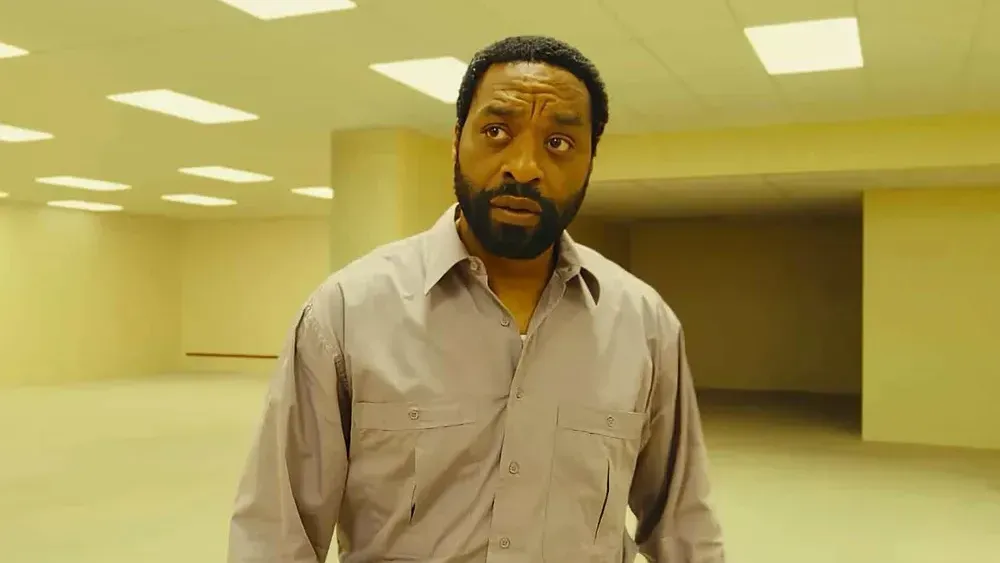
Photo Credit: A24
by Chris Tremblay Jun 3
5 MIN READ
Backrooms, the feature debut of filmmaker Kane Parsons, has rapidly become one of 2026’s most closely watched theatrical releases after an explosive opening weekend.
The A24‑distributed psychological horror film opened in U.S. theaters on May 29, 2026, after a premiere at the Aero Theatre in Los Angeles earlier that month, and swiftly outperformed pre‑release forecasts.
Industry tracking had initially projected Backrooms to debut around $20 million domestically, with later updates nudging estimates to the $40–50 million range as buzz intensified.
Instead, the film opened to approximately $81.5 million in North America and about $118 million worldwide in its first weekend, on a reported production budget of about $10 million.
As of June 2, 2026, Backrooms has grossed roughly $89.1 million in the United States and Canada and $37.1 million in other territories, for an estimated global total of $126.2 million.
The performance has made Backrooms the biggest opening in A24’s history, more than tripling the studio’s previous benchmark set by Civil War and establishing it as one of the year’s most profitable horror releases.
Parsons, known online for his Backrooms YouTube series under the name Kane Pixels, transitioned from internet creator to feature filmmaker with the A24 adaptation of his viral liminal‑space horror concept.
At just 20 years old, he has become the youngest filmmaker to helm a film that reached number one at the American box office, according to A24’s confirmation to ABC News and corroborating box office data.
Parsons’ path to mainstream success began with self‑taught filmmaking and a series of eerie, found‑footage‑style shorts exploring the Backrooms mythology on YouTube, which cultivated a dedicated online community across age groups and identities, including many LGBTQ+ horror fans.
In media interviews, Parsons has spoken about reaching beyond that original internet audience while still honoring the community that helped popularize his work, signalling a desire to keep existing viewers engaged as the story expands.
Backrooms centers on Clark, a small‑town furniture store owner played by Chiwetel Ejiofor, whose life unravels after he discovers a glowing doorway in his basement that leads to a labyrinthine extra‑dimensional space.
The movie follows Clark’s descent into the uncanny maze and the subsequent investigation by his therapist Mary, portrayed by Renate Reinsve, who is drawn through the same portal into the surreal environment.
The Backrooms dimension itself is depicted as an endless stretch of yellow‑tinted, fluorescent‑lit rooms and corridors, with sporadic objects and threatening entities that challenge the characters’ grasp on reality.
Reviewers have highlighted the film’s focus on atmosphere, psychological dread, and liminal unease rather than traditional jump scares, a style that has resonated with a broad audience, including many younger viewers who discovered the concept online.
For horror audiences that include LGBTQ+ people who often relate strongly to narratives about displacement and otherworldly spaces, this emphasis on alienation and identity in liminal zones has added thematic depth to the film’s commercial appeal.
Even as Backrooms continues to roll out in additional markets, Parsons has been explicit that the theatrical feature is only one chapter of a larger, ongoing narrative.
Speaking to Variety in an interview referenced by multiple outlets, Parsons said he has “a contract” and “a hold” on his side, adding that he is “definitely not done with Backrooms” and that there are “very specific things” in active development that he is eager to discuss when allowed.
In comments quoted by genre outlets, Parsons framed the first film as “a bit of a foot in the door” toward the “true root of the narrative” that has been cultivated in his online work over several years.
He has stated that sequels have been part of his intention since 2022, describing Backrooms as “the first part of a larger story” and indicating that future installments will explore different layers of the fictional space’s topology and lore.
According to coverage summarizing his recent interviews, Parsons remains committed to continuing the original YouTube series alongside the films, presenting an interconnected franchise that spans platforms and formats.
While A24 has not made a formal public announcement of Backrooms 2 as of early June 2026, multiple outlets report that Parsons is already under contract with the studio to develop a sequel.
Coverage of the director’s comments describes the sequel as in development and officially contracted, with reporting noting that the arrangement was in place by the time the first film’s record‑breaking opening numbers were confirmed.
Parsons has also indicated that he is seeking a screenwriting collaborator for the follow‑up, with early June reports stating that he is actively looking for a partner on the sequel’s script.
Industry analysis suggests that Backrooms’ relatively modest budget and outsized returns make an ongoing franchise financially attractive for A24, with the first film’s global opening weekend estimates widely described as a “record‑breaking” event for the studio.
One feature article characterizes Backrooms as A24’s “big-screen adaptation” of a viral internet phenomenon that has now become the studio’s “biggest opener ever,” positioning it as a likely cornerstone of the company’s horror slate in the coming years.
Though specific plot details for a sequel remain under wraps, reporting on Parsons’ interviews indicates that he wants to shift away from simply repeating survival‑horror beats in endless yellow rooms.
Instead, he has reportedly outlined a direction that leans further into science‑fiction and existential dread, broadening the perspective beyond a single protagonist trapped in the maze.
Articles summarizing his comments suggest Parsons hopes to explore how government and private entities respond to the discovery of the Backrooms dimension, expanding the focus from individual terror to systemic reactions.
For audiences that include transgender people, queer people, and others historically underrepresented or stereotyped in horror, a shift toward complex world‑building and institutional scrutiny may open space for more layered character dynamics across identities.
Parsons has also been quoted as envisioning a potential three‑to‑five‑film saga that would travel through different “layers” of the Backrooms and introduce new environments and entities, although long‑term plans remain dependent on ongoing performance and studio decisions.
Backrooms originates from online culture, and Parsons has repeatedly emphasized that the cinematic features will not replace the original web series but instead coexist with it.
Coverage of his remarks notes that he intends to keep expanding the YouTube storyline while the films explore different angles on the same central mystery, effectively turning Backrooms into a multi‑platform universe.
Earlier genre reports, published before the film’s release, had already documented Parsons responding to fan questions by hinting at both a sequel and a possible limited series to “wrap up” parts of the Backrooms narrative, suggesting that the franchise blueprint predates the current box office surge.
As Backrooms continues its theatrical run, including delayed openings in some international territories such as India, this cross‑platform approach may help maintain momentum and foster inclusive fan communities that see their own experiences reflected, at least metaphorically, in stories of people navigating unsettling, in‑between spaces.
While concrete release dates and casting details for future installments remain unannounced, current reporting paints a consistent picture: Parsons holds a contract to continue the series, has actively begun development on a sequel, and views the existing film as the starting point rather than the conclusion of the Backrooms story.
Industry tracking had initially projected Backrooms to debut around $20 million domestically, with later updates nudging estimates to the $40–50 million range as buzz intensified.
Instead, the film opened to approximately $81.5 million in North America and about $118 million worldwide in its first weekend, on a reported production budget of about $10 million.
As of June 2, 2026, Backrooms has grossed roughly $89.1 million in the United States and Canada and $37.1 million in other territories, for an estimated global total of $126.2 million.
The performance has made Backrooms the biggest opening in A24’s history, more than tripling the studio’s previous benchmark set by Civil War and establishing it as one of the year’s most profitable horror releases.
A 20‑Year‑Old Director Makes History
Parsons, known online for his Backrooms YouTube series under the name Kane Pixels, transitioned from internet creator to feature filmmaker with the A24 adaptation of his viral liminal‑space horror concept.
At just 20 years old, he has become the youngest filmmaker to helm a film that reached number one at the American box office, according to A24’s confirmation to ABC News and corroborating box office data.
Parsons’ path to mainstream success began with self‑taught filmmaking and a series of eerie, found‑footage‑style shorts exploring the Backrooms mythology on YouTube, which cultivated a dedicated online community across age groups and identities, including many LGBTQ+ horror fans.
In media interviews, Parsons has spoken about reaching beyond that original internet audience while still honoring the community that helped popularize his work, signalling a desire to keep existing viewers engaged as the story expands.
Inside the Film’s Story and Appeal
Backrooms centers on Clark, a small‑town furniture store owner played by Chiwetel Ejiofor, whose life unravels after he discovers a glowing doorway in his basement that leads to a labyrinthine extra‑dimensional space.
The movie follows Clark’s descent into the uncanny maze and the subsequent investigation by his therapist Mary, portrayed by Renate Reinsve, who is drawn through the same portal into the surreal environment.
The Backrooms dimension itself is depicted as an endless stretch of yellow‑tinted, fluorescent‑lit rooms and corridors, with sporadic objects and threatening entities that challenge the characters’ grasp on reality.
Reviewers have highlighted the film’s focus on atmosphere, psychological dread, and liminal unease rather than traditional jump scares, a style that has resonated with a broad audience, including many younger viewers who discovered the concept online.
For horror audiences that include LGBTQ+ people who often relate strongly to narratives about displacement and otherworldly spaces, this emphasis on alienation and identity in liminal zones has added thematic depth to the film’s commercial appeal.
Parsons Confirms He’s “Not Done” With Backrooms
Even as Backrooms continues to roll out in additional markets, Parsons has been explicit that the theatrical feature is only one chapter of a larger, ongoing narrative.
Speaking to Variety in an interview referenced by multiple outlets, Parsons said he has “a contract” and “a hold” on his side, adding that he is “definitely not done with Backrooms” and that there are “very specific things” in active development that he is eager to discuss when allowed.
In comments quoted by genre outlets, Parsons framed the first film as “a bit of a foot in the door” toward the “true root of the narrative” that has been cultivated in his online work over several years.
He has stated that sequels have been part of his intention since 2022, describing Backrooms as “the first part of a larger story” and indicating that future installments will explore different layers of the fictional space’s topology and lore.
According to coverage summarizing his recent interviews, Parsons remains committed to continuing the original YouTube series alongside the films, presenting an interconnected franchise that spans platforms and formats.
Sequel Status: Contracted but Unannounced
While A24 has not made a formal public announcement of Backrooms 2 as of early June 2026, multiple outlets report that Parsons is already under contract with the studio to develop a sequel.
Coverage of the director’s comments describes the sequel as in development and officially contracted, with reporting noting that the arrangement was in place by the time the first film’s record‑breaking opening numbers were confirmed.
Parsons has also indicated that he is seeking a screenwriting collaborator for the follow‑up, with early June reports stating that he is actively looking for a partner on the sequel’s script.
Industry analysis suggests that Backrooms’ relatively modest budget and outsized returns make an ongoing franchise financially attractive for A24, with the first film’s global opening weekend estimates widely described as a “record‑breaking” event for the studio.
One feature article characterizes Backrooms as A24’s “big-screen adaptation” of a viral internet phenomenon that has now become the studio’s “biggest opener ever,” positioning it as a likely cornerstone of the company’s horror slate in the coming years.
How the Sequel Might Evolve the Story
Though specific plot details for a sequel remain under wraps, reporting on Parsons’ interviews indicates that he wants to shift away from simply repeating survival‑horror beats in endless yellow rooms.
Instead, he has reportedly outlined a direction that leans further into science‑fiction and existential dread, broadening the perspective beyond a single protagonist trapped in the maze.
Articles summarizing his comments suggest Parsons hopes to explore how government and private entities respond to the discovery of the Backrooms dimension, expanding the focus from individual terror to systemic reactions.
For audiences that include transgender people, queer people, and others historically underrepresented or stereotyped in horror, a shift toward complex world‑building and institutional scrutiny may open space for more layered character dynamics across identities.
Parsons has also been quoted as envisioning a potential three‑to‑five‑film saga that would travel through different “layers” of the Backrooms and introduce new environments and entities, although long‑term plans remain dependent on ongoing performance and studio decisions.
A Cross‑Platform, Ongoing Universe
Backrooms originates from online culture, and Parsons has repeatedly emphasized that the cinematic features will not replace the original web series but instead coexist with it.
Coverage of his remarks notes that he intends to keep expanding the YouTube storyline while the films explore different angles on the same central mystery, effectively turning Backrooms into a multi‑platform universe.
Earlier genre reports, published before the film’s release, had already documented Parsons responding to fan questions by hinting at both a sequel and a possible limited series to “wrap up” parts of the Backrooms narrative, suggesting that the franchise blueprint predates the current box office surge.
As Backrooms continues its theatrical run, including delayed openings in some international territories such as India, this cross‑platform approach may help maintain momentum and foster inclusive fan communities that see their own experiences reflected, at least metaphorically, in stories of people navigating unsettling, in‑between spaces.
While concrete release dates and casting details for future installments remain unannounced, current reporting paints a consistent picture: Parsons holds a contract to continue the series, has actively begun development on a sequel, and views the existing film as the starting point rather than the conclusion of the Backrooms story.
Copyright EDGE Media Network. All rights reserved. This material may not be published, broadcast, rewritten, or redistributed.