Patagonia, Pattie Gonia and the “Pink Glass Ceiling” at the Heart of a High-Profile Trademark Fight
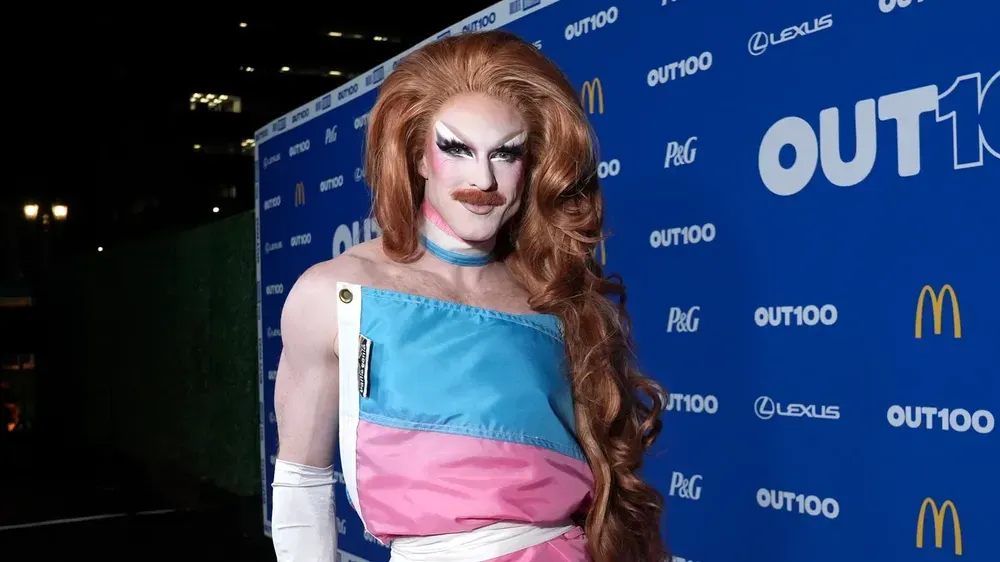
LOS ANGELES, CALIFORNIA - NOVEMBER 21: Pattie Gonia attends the Out100 Celebration 2025 at Nya Studios on November 21, 2025 in Los Angeles, California.Photo Credit: Presley Ann
Patagonia, the California‑based outdoor clothing and gear company known for its environmental advocacy, filed a federal trademark lawsuit in January 2026 against drag performer and environmental activist Pattie Gonia, whose legal name is Wyn Wiley. The company alleges that Pattie Gonia’s drag name and some past uses of stylized branding are confusingly similar to the PATAGONIA mark and risk “irreparable” harm, even as the lawsuit itself seeks only US$1 in nominal damages while requesting an injunction and legal fees.
The recent escalation: “No deal” and public pressure
The dispute moved sharply into the public eye in late May 2026, when Pattie Gonia publicly rejected a settlement proposal from Patagonia and framed the terms as an attempt to erase her name, advocacy work and business. In a May 27 statement shared on Instagram, she said the lawsuit left her with a choice between “erasing my name, my advocacy, my community, and everyone I employ” or fighting in court, adding that legal costs could exceed US$1 million even though Patagonia’s monetary demand is nominal.
Outdoor‑focused outlet Westword reports that Pattie Gonia posted a video on May 27 declaring, “If Patagonia wants to celebrate Pride Month this year by taking a queer climate activist to federal court, then I am here to fight,” characterizing the case as a corporation “trying to erase an activist.” Coverage from ABC’s Good Morning America and other national media notes that Pattie Gonia has also encouraged followers to contact Patagonia and urge the company to drop or reconsider the lawsuit, effectively turning the case into a public campaign as Pride season begins.
Patagonia, for its part, released a statement on May 27 saying it attempted to “find a path forward” that would allow Pattie Gonia to continue work while also protecting the company’s trademark. The company emphasized that it has a “responsibility” to defend its mark, insisted the case is not about financial gain or contesting anyone’s identity or right to advocacy, and said that a legal fight with a figure who “shares our values” was “the last thing we wanted” but necessary to protect its business and employees.
The legal claims and history between the parties
Legal summaries indicate that Patagonia’s complaint focuses on both the similarity of the names “Patagonia” and “Pattie Gonia” and historical uses of stylized graphics or altered logos that Patagonia argues could confuse consumers. The lawsuit alleges that Wiley sells merchandise and offers services—such as motivational speaking on environmental sustainability and organizing hikes—that overlap with Patagonia’s advocacy‑oriented brand positioning, and that her efforts to register “Pattie Gonia” as a trademark marked a shift from “discreet use” of a persona into a broader commercial enterprise.
Reports from Metro Weekly and other outlets describe Patagonia’s contention that there was a previous understanding limiting the use of logos resembling Patagonia’s branding, which the company claims Pattie Gonia later violated through merchandise sales in 2024 and a 2025 trademark application. The complaint cites social media posts and images where altered Patagonia logos feature the drag name, arguing that these examples show “confusion already has occurred,” even though more recent Pattie Gonia merchandise reportedly does not resemble Patagonia’s logo or typography.
Westword notes that while Patagonia is seeking only US$1 in damages, it also requests that Wiley pay attorneys’ fees, which she estimates could surpass US$1 million, potentially placing significant financial pressure on an individual artist. The California Lawyers Association’s overview explains that trademark law gives brands broad rights to challenge uses they see as likely to confuse consumers or dilute their marks, a framework that can be especially consequential when artists and activists build work around wordplay involving well‑known corporate names.
“Pink glass ceiling” and corporate LGBTQ+ branding
A June 4 PinkNews column describes Pattie Gonia as having “hit the pink glass ceiling,” using the phrase to argue that LGBTQ+ creators can be welcomed as symbols of diversity but face barriers when they seek to formally own and commercially protect their brands. The piece suggests that the breaking point in this case was not public visibility or activism but the 2025 trademark application for “Pattie Gonia,” which the writer characterizes as a step “too far” for Patagonia and emblematic of a broader tension between queer self‑determination and corporate legal power.
Commentators in LGBTQ+ media and intellectual property circles note that while trademarks are designed to prevent consumer confusion, the system can have disproportionate impacts on marginalized communities that rely on parody, pun and satire to build culture and critique power. The PinkNews article also points to a paradox in which LGBTQ+ symbols and language are frequently treated as part of a shared public domain that corporations may freely adopt, even as individuals and smaller queer‑led entities can face challenges when asserting ownership or exclusive rights.
Critics of the lawsuit interviewed by outlets such as Westword and Axios argue that bringing a queer climate activist to court during Pride season undercuts Patagonia’s longstanding progressive image, even if the company is acting within its legal rights. At the same time, Patagonia maintains that consistent enforcement of trademarks is essential for all companies, including those that use their brands to support environmental and social causes, and says it is not challenging Pattie Gonia’s right to be a drag artist or climate advocate.
Impact on Pride, outdoor culture and future cases
The case is unfolding as Pattie Gonia prepares to headline major LGBTQ+ events, including a main‑stage performance at Denver PrideFest scheduled for June 28, where she is expected to draw large crowds as a returning featured artist. Her 2026 tour schedule published on her official site lists numerous sold‑out or high‑profile dates across the United States, underscoring both her reach and the stakes of any ruling that might limit the use of her stage name in promotions, merchandise or partnerships.
Media analysis suggests the conflict is resonating widely in part because it touches three influential communities at once: LGBTQ+ audiences, outdoor enthusiasts and climate activists. For some supporters, the lawsuit raises questions about whether queer and trans environmental advocates can safely align with, parody or critique brands in spaces—like outdoor recreation—that have historically skewed cisgender, white and male.
Legal experts quoted by the California Lawyers Association and other outlets indicate that the outcome could influence how future cases involving parody, activism and wordplay are evaluated against trademark protections, especially when the disputed use involves adjacent markets rather than direct product copies. If the court sides strongly with Patagonia, artists who build identities around riffs on famous brands could face greater legal risk, while a narrow or favorable ruling for Pattie Gonia might embolden more satirical or activist uses of corporate marks, particularly in queer and activist spaces.
At this stage, the case remains active, with no reported final judgment, and both sides continue to present their positions in court filings and public messaging. Observers across LGBTQ+ media, legal analysis and outdoor culture are watching closely to see whether the dispute will be resolved through settlement or a court ruling, and how that outcome will shape the landscape for queer creatives navigating trademark law and corporate partnerships.
Copyright EDGE Media Network. All rights reserved. This material may not be published, broadcast, rewritten, or redistributed.