Gayle King Says Decades of Lesbian Romance Rumors With Oprah ‘Used to Really Bother’ Her
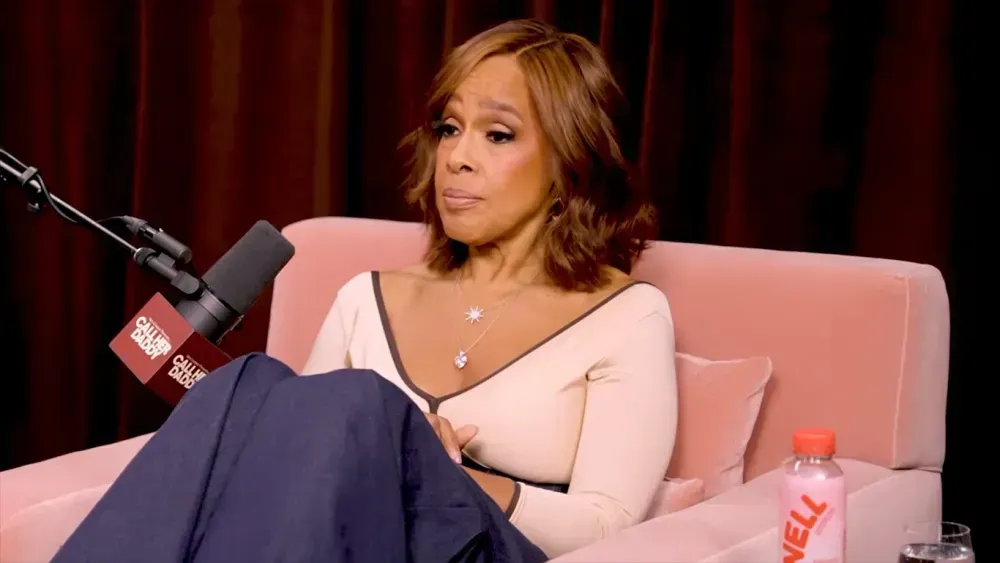
Photo Credit: Call Her Daddy
by Chris Tremblay Jun 9
5 MIN READ
Gayle King used a recent appearance on the popular podcast Call Her Daddy to revisit decades of speculation that she and her best friend Oprah Winfrey are secretly in a romantic relationship, saying the rumors once “really” bothered her but no longer define how she sees herself. Appearing on the 27 May episode hosted by Alex Cooper, King addressed the persistent claims directly, offering rare insight into the emotional impact of public scrutiny on her personal life and friendship.
The CBS Mornings co‑anchor, 71, told Cooper that speculation about a supposed secret romance with Winfrey, 72, has followed them for much of their nearly 50‑year friendship. On the podcast, King reiterated that the rumors do not reflect reality, while also emphasizing that there is nothing inherently negative about people assuming someone might be gay or lesbian.
King recalled that the speculation intensified in the 1990s after her divorce from ex‑husband William Bumpus, when a tabloid story suggested she and Winfrey were “secretly gay” and implied that was the reason for the split. The broadcaster told Cooper that the coverage, including a report in The National Enquirer, deeply affected her, saying, “It used to really bother me,” particularly because she was navigating life as a newly single woman at the time.
King explained that headlines portraying her as being in a secret relationship with Winfrey made dating more complicated, sharing that people sometimes assumed she was not interested in men. She quoted herself as having told Winfrey at the time, “It’s hard enough for me to get a date on a Saturday night and now people think I’m a lesbian,” underscoring how tabloid narratives can shape perceptions of someone’s identity and romantic availability.
Over time, King said she learned to tune out gossip and speculation, telling Cooper that she has reached a stage in life where “very few things get to me” and that she no longer lets such rumors dictate how she feels about herself or her friendships. Even so, she acknowledged that people continue to make insinuations about her relationship with Winfrey, noting that some still say they believe there is “truth” to the rumors, comments she said she now chooses to ignore.
In her conversation with Cooper, King delivered one of the interview’s most quoted lines when she said, “Number one, if we were gay, we would tell you because, believe me, there’s nothing wrong with it.” She then added, “It’s just, I prefer a man,” clarifying her own orientation while affirming that being gay or lesbian is not something she views negatively.
Multiple outlets highlighted King’s insistence that she and Winfrey have never tried to hide who they are, and that if their relationship were romantic rather than platonic, they would be open about it. Her comments also echoed a long‑standing message from both women that they support LGBTQ+ people while asserting that their own relationship is a deep, non‑romantic friendship.
King’s phrasing, specifically her emphasis that there is “nothing wrong” with being gay, drew attention from LGBTQ+ media outlets that framed her remarks as both a rejection of false assumptions and an affirmation of lesbian and gay identities. At the same time, she remained clear about her own preferences, reiterating during the episode that she is interested in men and discussing what she looks for in a male partner.
Throughout the interview, King contrasted her response to the rumors with Winfrey’s more hands‑off approach, describing how the two women disagreed about whether to confront the speculation publicly. King said she once asked Winfrey to address the allegations directly on The Oprah Winfrey Show, arguing that a clear statement could help counter narratives that were hurting her dating prospects.
According to King, Winfrey declined to make such a statement, telling her, “No, we should just leave it be,” a response King said led to back‑and‑forth disagreements between the two friends on how best to handle the gossip. King recounted telling Winfrey, “That’s fine for you to say. You have somebody. I don’t,” pointing out that Winfrey’s long‑term relationship with businessman Stedman Graham meant she did not face the same assumptions in the dating world.
Winfrey has previously denied being a lesbian in other interviews, including a widely reported conversation with journalist Barbara Walters years earlier, where she said she was not a lesbian and had been in a committed relationship with Graham since the 1980s. While Winfrey did not participate in the new podcast episode, King’s recollections suggest that their strategy, at least at the time, was to avoid amplifying rumors by responding directly to them in the media.
King and Winfrey’s friendship, which dates back to their early careers in local television in Baltimore, has been a frequent subject of public fascination, with their close bond often celebrated in media while also fueling speculation about whether they were more than friends. On *Call Her Daddy*, host Alex Cooper suggested that some of the rumors appear rooted in discomfort with “genuine gorgeous female friendship,” a remark that points to how societal expectations can blur the line between close companionship and romantic interest, especially among women.
Coverage of King’s remarks has also unfolded against a broader cultural backdrop in which public figures’ sexual orientations are frequently scrutinized online, sometimes in ways that can affirm visibility for LGBTQ+ people and sometimes in ways that feel invasive or reductive. In this instance, King’s comments simultaneously reject a false narrative about her own life and underscore that identifying as gay or lesbian is not, in her view, a slur or a scandal, but simply one of many valid ways people can experience love and connection.
King also described how she personally handles intrusive attention, saying she does not want to hide from paparazzi “like some criminal” and would rather walk past them without comment than be ushered out a back door. That approach, she suggested, allows her to maintain a sense of agency and transparency without feeling obligated to respond to every rumor or headline that arises.
For many LGBTQ+ audiences, the story lands at the intersection of two dynamics: longstanding underrepresentation of lesbian and queer women in mainstream media, and a tendency to speculate about the orientation of women whose deep friendships do not conform to narrow gender norms. King’s insistence that she respects gay and lesbian people while clearly naming her own identity offers one example of how public figures can respond when their lives become a canvas for others’ assumptions.
As King continues to co‑anchor CBS Mornings and pursue other media projects, her latest comments suggest she intends to live with openness about her relationships without letting old narratives define them. She emphasized that she has reached a point where, while rumors still circulate, they no longer have the power to cause the distress they did in the years immediately following her divorce.
For Winfrey, who has been with Stedman Graham for nearly four decades, the long‑running intrigue about her and King’s relationship has become just one thread in a much larger public life, one that has included earlier denials of being a lesbian while expressing support for LGBTQ+ equality. King’s latest reflections show how, even years later, such speculation can shape the experience of women whose closest relationships defy easy categorization—and how those women can reclaim the narrative in their own words.
‘It used to really bother me’
King recalled that the speculation intensified in the 1990s after her divorce from ex‑husband William Bumpus, when a tabloid story suggested she and Winfrey were “secretly gay” and implied that was the reason for the split. The broadcaster told Cooper that the coverage, including a report in The National Enquirer, deeply affected her, saying, “It used to really bother me,” particularly because she was navigating life as a newly single woman at the time.
King explained that headlines portraying her as being in a secret relationship with Winfrey made dating more complicated, sharing that people sometimes assumed she was not interested in men. She quoted herself as having told Winfrey at the time, “It’s hard enough for me to get a date on a Saturday night and now people think I’m a lesbian,” underscoring how tabloid narratives can shape perceptions of someone’s identity and romantic availability.
Over time, King said she learned to tune out gossip and speculation, telling Cooper that she has reached a stage in life where “very few things get to me” and that she no longer lets such rumors dictate how she feels about herself or her friendships. Even so, she acknowledged that people continue to make insinuations about her relationship with Winfrey, noting that some still say they believe there is “truth” to the rumors, comments she said she now chooses to ignore.
‘If we were gay, we would tell you’
In her conversation with Cooper, King delivered one of the interview’s most quoted lines when she said, “Number one, if we were gay, we would tell you because, believe me, there’s nothing wrong with it.” She then added, “It’s just, I prefer a man,” clarifying her own orientation while affirming that being gay or lesbian is not something she views negatively.
Multiple outlets highlighted King’s insistence that she and Winfrey have never tried to hide who they are, and that if their relationship were romantic rather than platonic, they would be open about it. Her comments also echoed a long‑standing message from both women that they support LGBTQ+ people while asserting that their own relationship is a deep, non‑romantic friendship.
King’s phrasing, specifically her emphasis that there is “nothing wrong” with being gay, drew attention from LGBTQ+ media outlets that framed her remarks as both a rejection of false assumptions and an affirmation of lesbian and gay identities. At the same time, she remained clear about her own preferences, reiterating during the episode that she is interested in men and discussing what she looks for in a male partner.
A difference in how King and Winfrey handled the rumors
Throughout the interview, King contrasted her response to the rumors with Winfrey’s more hands‑off approach, describing how the two women disagreed about whether to confront the speculation publicly. King said she once asked Winfrey to address the allegations directly on The Oprah Winfrey Show, arguing that a clear statement could help counter narratives that were hurting her dating prospects.
According to King, Winfrey declined to make such a statement, telling her, “No, we should just leave it be,” a response King said led to back‑and‑forth disagreements between the two friends on how best to handle the gossip. King recounted telling Winfrey, “That’s fine for you to say. You have somebody. I don’t,” pointing out that Winfrey’s long‑term relationship with businessman Stedman Graham meant she did not face the same assumptions in the dating world.
Winfrey has previously denied being a lesbian in other interviews, including a widely reported conversation with journalist Barbara Walters years earlier, where she said she was not a lesbian and had been in a committed relationship with Graham since the 1980s. While Winfrey did not participate in the new podcast episode, King’s recollections suggest that their strategy, at least at the time, was to avoid amplifying rumors by responding directly to them in the media.
Friendship, public fascination and LGBTQ+ narratives
King and Winfrey’s friendship, which dates back to their early careers in local television in Baltimore, has been a frequent subject of public fascination, with their close bond often celebrated in media while also fueling speculation about whether they were more than friends. On *Call Her Daddy*, host Alex Cooper suggested that some of the rumors appear rooted in discomfort with “genuine gorgeous female friendship,” a remark that points to how societal expectations can blur the line between close companionship and romantic interest, especially among women.
Coverage of King’s remarks has also unfolded against a broader cultural backdrop in which public figures’ sexual orientations are frequently scrutinized online, sometimes in ways that can affirm visibility for LGBTQ+ people and sometimes in ways that feel invasive or reductive. In this instance, King’s comments simultaneously reject a false narrative about her own life and underscore that identifying as gay or lesbian is not, in her view, a slur or a scandal, but simply one of many valid ways people can experience love and connection.
King also described how she personally handles intrusive attention, saying she does not want to hide from paparazzi “like some criminal” and would rather walk past them without comment than be ushered out a back door. That approach, she suggested, allows her to maintain a sense of agency and transparency without feeling obligated to respond to every rumor or headline that arises.
For many LGBTQ+ audiences, the story lands at the intersection of two dynamics: longstanding underrepresentation of lesbian and queer women in mainstream media, and a tendency to speculate about the orientation of women whose deep friendships do not conform to narrow gender norms. King’s insistence that she respects gay and lesbian people while clearly naming her own identity offers one example of how public figures can respond when their lives become a canvas for others’ assumptions.
Looking ahead: living openly, on her own terms
As King continues to co‑anchor CBS Mornings and pursue other media projects, her latest comments suggest she intends to live with openness about her relationships without letting old narratives define them. She emphasized that she has reached a point where, while rumors still circulate, they no longer have the power to cause the distress they did in the years immediately following her divorce.
For Winfrey, who has been with Stedman Graham for nearly four decades, the long‑running intrigue about her and King’s relationship has become just one thread in a much larger public life, one that has included earlier denials of being a lesbian while expressing support for LGBTQ+ equality. King’s latest reflections show how, even years later, such speculation can shape the experience of women whose closest relationships defy easy categorization—and how those women can reclaim the narrative in their own words.
Copyright EDGE Media Network. All rights reserved. This material may not be published, broadcast, rewritten, or redistributed.