Phoebe Bridgers Unveils “The Lost Tour,” Her First Full Solo Run in Three Years After Phone‑Free, $1 Madison Square Garden Pop‑Up
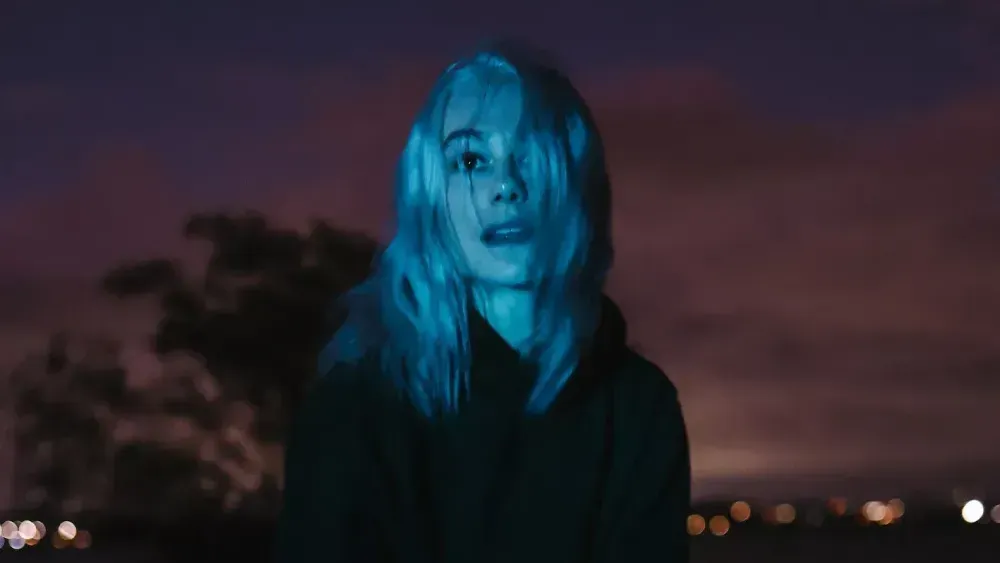
Photo Credit: Phoebe Bridgers
by Chris Tremblay Jun 5
5 MIN READ
Phoebe Bridgers has formally announced The Lost Tour, a large‑scale 2026 arena itinerary that will bring her phone‑free concerts to major cities across North America and Europe, constituting her first comprehensive solo tour in approximately three years. The tour, revealed on June 5, arrives less than 24 hours after a sold‑out acoustic pop‑up show at New York City’s Madison Square Garden, where tickets started at $1 and phones were prohibited, underscoring a deliberate shift toward more present‑tense, communal listening experiences.
On The Lost Tour, Bridgers and her team are extending that policy to some of the largest rooms she has headlined to date, requiring fans to store phones and other devices in Yondr pouches for the duration of the performance. Organizers say the approach is aimed at minimizing recording, curbing distraction, and restoring focus to the live exchange between artist and audience, an experience that can be particularly meaningful for LGBTQ+ listeners who often find affirmation and community at Bridgers’ shows.
The arena announcement caps a month‑long run of under‑the‑radar club dates that quietly marked Bridgers’ return to solo performing. Throughout May 2026, she played a series of surprise, mostly acoustic shows in small venues across the United States, including cities such as Roswell, New Mexico; Lubbock, Texas; Little Rock, Arkansas; Memphis, Tennessee; Jackson, Mississippi; Mobile, Alabama; Macon, Georgia; Savannah, Georgia; Greenville, South Carolina; Chattanooga, Tennessee; Lexington, Kentucky; Huntington, West Virginia; Toledo, Ohio; Champaign, Illinois; Bloomington, Indiana; Davenport, Iowa; Eau Claire, Wisconsin; and Fargo, North Dakota.
Those pop‑up shows were often advertised via simple flyers and word of mouth, with strict “no recording devices” policies that required attendees to seal their phones before entering, mirroring the system that would later be used in New York. Fans who attended reported that Bridgers performed a mix of previously released songs and new, unreleased material, making the small shows an early laboratory for music expected to feature on a forthcoming project.
Madison Square Garden served as the culminating statement of this low‑key comeback phase. The June 4 concert, presented in collaboration with streaming platform TIDAL as “TIDAL Presents: Phoebe Bridgers at Madison Square Garden,” was billed as her first New York City show since 2022 and sold out under a lottery‑based ticket system.
To gain access to the MSG show, fans registered for a lottery that offered tickets priced between $1 and $20, with all proceeds designated for the Community Justice Exchange’s Immigration Bond Freedom Fund, which helps secure the release of people in immigration detention while their cases move through the system. Registration was open until late on June 1, with successful applicants notified the following day and digital tickets distributed on or before the day of the show, a structure designed to limit scalping and keep prices accessible.
Coverage from outlets including LATF USA and Grimy Goods emphasized that fans could purchase up to two tickets at the low price tiers, reinforcing an attempt to reach a broad cross‑section of listeners rather than an elite subset of superfans. For queer and immigrant communities, as well as LGBTQ+ immigrants and asylum seekers, the partnership signaled a high‑visibility alignment with legal support work that aims to reduce detention and promote due process, though the specific demographic breakdown of attendees has not been publicly reported.
Inside the venue, attendees were asked to place phones, smartwatches, smart glasses, cameras, and other recording devices into Yondr pouches, which remained in their possession but could only be unlocked at designated stations outside the seating bowl. Organizers described the night as a “phone‑free” event from the outset, and local listings warned that there would be no mobile use allowed in the arena, meaning the usual stream of concert footage on social media was replaced by post‑show recollections.
The Lost Tour is scheduled to begin in September 2026, with North American arena dates in cities including Chicago, Columbus, and Brooklyn before continuing through Europe and the United Kingdom in November and December. Among the U.S. stops listed are Chicago’s United Center on September 19, Nationwide Arena in Columbus on September 22, and back‑to‑back nights at Brooklyn’s Barclays Center on September 25 and 26, with further cities outlined in tour announcements.
In North America, Bridgers will be joined by Alex G as a support act, while the European and U.K. leg is set to feature Isaac Wood, widely known for his work as the former frontperson of Black Country, New Road. Both openers come from adjacent indie and experimental rock circles, positioning the tour as an indie‑leaning package that may appeal broadly to young audiences, including LGBTQ+ listeners who have gravitated toward these artists’ emotionally direct songwriting.
The Fader reports that presale registration for tickets is open via Bridgers’ official channels through June 7 at 11:59 p.m. local time, with registered fans gaining access to purchase windows on June 9 and 10. Stereogum notes that, similar to the MSG show, the tour will also include a philanthropic component: $1 from each ticket sold is slated to be donated to the Rape, Abuse & Incest National Network , a prominent U.S. organization focused on supporting survivors of sexual violence.
The Lost Tour extends the no‑phones concept trialed in small rooms and at MSG to a full arena and international level, with all shows set to employ Yondr pouches or similar technology. Secret London notes that the London date, part of the European leg, will follow the same rules as the U.S. concerts, with fans barred from filming or using phones during the performance.
This approach situates Bridgers within a small but visible group of high‑profile artists experimenting with phone‑free tours, a trend that has drawn mixed reactions but has also resonated with concertgoers who say it can make shows feel more intimate, even in large arenas. For queer and transgender fans who often describe concerts as safer or more affirming spaces than their day‑to‑day environments, a device‑free policy can heighten the sense of shared presence while reducing the fear of being filmed without consent, although individual experiences will vary.
High Road Touring’s artist biography notes that Bridgers’ May 2026 club date at The Liberty in Roswell, New Mexico, was her first solo performance in nearly three years, following a period in which she was more publicly active with supergroup Boygenius than under her own name. The same write‑up cites reporting from Pitchfork indicating that she used that Roswell show to revisit songs such as “Motion Sickness,” “Kyoto,” and “Garden Song,” alongside new material introduced under the cloak of a strict no‑phones rule.
Wikipedia’s up‑to‑date discography summary corroborates the sequence of May pop‑up shows, including dates in Roswell, Lubbock, and Little Rock, where attendees said Bridgers premiered songs that have not yet appeared on streaming platforms. Neither the tour announcement nor the associated press materials explicitly confirm a release date or title for a new studio album, but the push toward a full arena tour, together with the debut of multiple unreleased songs, suggests that a larger body of work is in progress.
For LGBTQ+ audiences who have embraced Bridgers’ writing on grief, mental health, and identity, her return to headlining scale offers renewed opportunities to gather in visibly queer‑affirming spaces, from small Southern clubs to some of the world’s most prominent arenas. With The Lost Tour, Bridgers is pairing that emotional reach with a structural experiment in how big‑room concerts can look: cheap entry for at least one landmark show, a clear philanthropic component on the main run, and a steadfast refusal to let phones mediate the night.
From secret club shows to MSG
The arena announcement caps a month‑long run of under‑the‑radar club dates that quietly marked Bridgers’ return to solo performing. Throughout May 2026, she played a series of surprise, mostly acoustic shows in small venues across the United States, including cities such as Roswell, New Mexico; Lubbock, Texas; Little Rock, Arkansas; Memphis, Tennessee; Jackson, Mississippi; Mobile, Alabama; Macon, Georgia; Savannah, Georgia; Greenville, South Carolina; Chattanooga, Tennessee; Lexington, Kentucky; Huntington, West Virginia; Toledo, Ohio; Champaign, Illinois; Bloomington, Indiana; Davenport, Iowa; Eau Claire, Wisconsin; and Fargo, North Dakota.
Those pop‑up shows were often advertised via simple flyers and word of mouth, with strict “no recording devices” policies that required attendees to seal their phones before entering, mirroring the system that would later be used in New York. Fans who attended reported that Bridgers performed a mix of previously released songs and new, unreleased material, making the small shows an early laboratory for music expected to feature on a forthcoming project.
Madison Square Garden served as the culminating statement of this low‑key comeback phase. The June 4 concert, presented in collaboration with streaming platform TIDAL as “TIDAL Presents: Phoebe Bridgers at Madison Square Garden,” was billed as her first New York City show since 2022 and sold out under a lottery‑based ticket system.
$1 tickets and immigration justice
To gain access to the MSG show, fans registered for a lottery that offered tickets priced between $1 and $20, with all proceeds designated for the Community Justice Exchange’s Immigration Bond Freedom Fund, which helps secure the release of people in immigration detention while their cases move through the system. Registration was open until late on June 1, with successful applicants notified the following day and digital tickets distributed on or before the day of the show, a structure designed to limit scalping and keep prices accessible.
Coverage from outlets including LATF USA and Grimy Goods emphasized that fans could purchase up to two tickets at the low price tiers, reinforcing an attempt to reach a broad cross‑section of listeners rather than an elite subset of superfans. For queer and immigrant communities, as well as LGBTQ+ immigrants and asylum seekers, the partnership signaled a high‑visibility alignment with legal support work that aims to reduce detention and promote due process, though the specific demographic breakdown of attendees has not been publicly reported.
Inside the venue, attendees were asked to place phones, smartwatches, smart glasses, cameras, and other recording devices into Yondr pouches, which remained in their possession but could only be unlocked at designated stations outside the seating bowl. Organizers described the night as a “phone‑free” event from the outset, and local listings warned that there would be no mobile use allowed in the arena, meaning the usual stream of concert footage on social media was replaced by post‑show recollections.
Inside The Lost Tour: dates, support, and ticketing
The Lost Tour is scheduled to begin in September 2026, with North American arena dates in cities including Chicago, Columbus, and Brooklyn before continuing through Europe and the United Kingdom in November and December. Among the U.S. stops listed are Chicago’s United Center on September 19, Nationwide Arena in Columbus on September 22, and back‑to‑back nights at Brooklyn’s Barclays Center on September 25 and 26, with further cities outlined in tour announcements.
In North America, Bridgers will be joined by Alex G as a support act, while the European and U.K. leg is set to feature Isaac Wood, widely known for his work as the former frontperson of Black Country, New Road. Both openers come from adjacent indie and experimental rock circles, positioning the tour as an indie‑leaning package that may appeal broadly to young audiences, including LGBTQ+ listeners who have gravitated toward these artists’ emotionally direct songwriting.
The Fader reports that presale registration for tickets is open via Bridgers’ official channels through June 7 at 11:59 p.m. local time, with registered fans gaining access to purchase windows on June 9 and 10. Stereogum notes that, similar to the MSG show, the tour will also include a philanthropic component: $1 from each ticket sold is slated to be donated to the Rape, Abuse & Incest National Network , a prominent U.S. organization focused on supporting survivors of sexual violence.
Phone‑free policy at scale
The Lost Tour extends the no‑phones concept trialed in small rooms and at MSG to a full arena and international level, with all shows set to employ Yondr pouches or similar technology. Secret London notes that the London date, part of the European leg, will follow the same rules as the U.S. concerts, with fans barred from filming or using phones during the performance.
This approach situates Bridgers within a small but visible group of high‑profile artists experimenting with phone‑free tours, a trend that has drawn mixed reactions but has also resonated with concertgoers who say it can make shows feel more intimate, even in large arenas. For queer and transgender fans who often describe concerts as safer or more affirming spaces than their day‑to‑day environments, a device‑free policy can heighten the sense of shared presence while reducing the fear of being filmed without consent, although individual experiences will vary.
A return after three quieter years
High Road Touring’s artist biography notes that Bridgers’ May 2026 club date at The Liberty in Roswell, New Mexico, was her first solo performance in nearly three years, following a period in which she was more publicly active with supergroup Boygenius than under her own name. The same write‑up cites reporting from Pitchfork indicating that she used that Roswell show to revisit songs such as “Motion Sickness,” “Kyoto,” and “Garden Song,” alongside new material introduced under the cloak of a strict no‑phones rule.
Wikipedia’s up‑to‑date discography summary corroborates the sequence of May pop‑up shows, including dates in Roswell, Lubbock, and Little Rock, where attendees said Bridgers premiered songs that have not yet appeared on streaming platforms. Neither the tour announcement nor the associated press materials explicitly confirm a release date or title for a new studio album, but the push toward a full arena tour, together with the debut of multiple unreleased songs, suggests that a larger body of work is in progress.
For LGBTQ+ audiences who have embraced Bridgers’ writing on grief, mental health, and identity, her return to headlining scale offers renewed opportunities to gather in visibly queer‑affirming spaces, from small Southern clubs to some of the world’s most prominent arenas. With The Lost Tour, Bridgers is pairing that emotional reach with a structural experiment in how big‑room concerts can look: cheap entry for at least one landmark show, a clear philanthropic component on the main run, and a steadfast refusal to let phones mediate the night.
Copyright EDGE Media Network. All rights reserved. This material may not be published, broadcast, rewritten, or redistributed.