Barry Manilow Says Coming Out Earlier ‘Would Have Killed’ His Career, Reflecting on Fame, Fear and Change
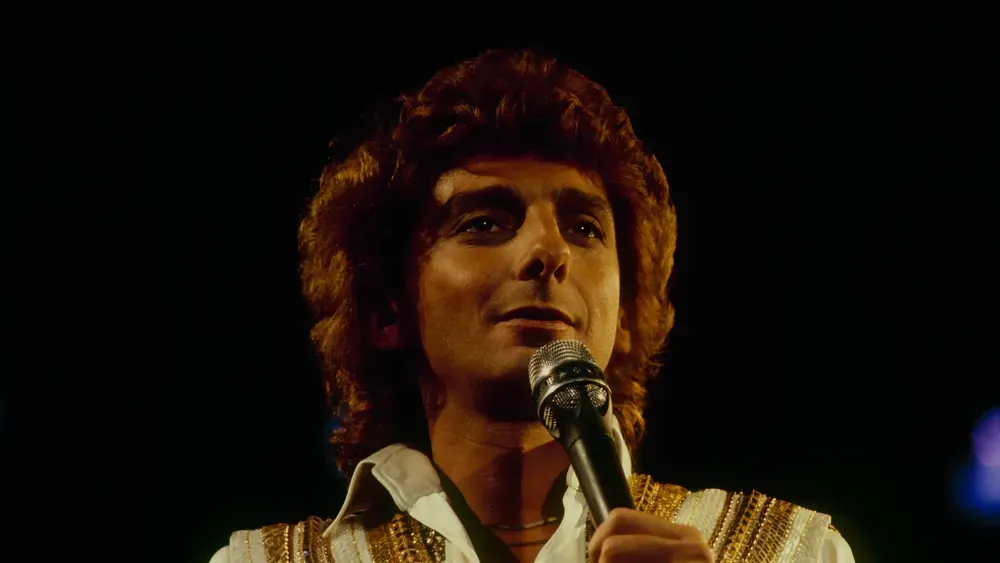
LONDON, UNITED KINGDOM - NOVEMBER 01: Singer Barry Manilow performs on stage at Wembley Arena in London, England in November 1980. Photo Credit: David Redfern
Barry Manilow has said that if he had come out as gay during the 1970s or 1980s, it “would have killed” his career, in a new interview reflecting on how homophobia shaped his choices at the height of his fame. The 80‑year‑old musician, known for hits such as “Copacabana” and “Mandy,” said he chose not to discuss his private life publicly because he feared the consequences for his livelihood in an era when being openly gay could mean losing work, radio play and mainstream visibility.
‘They all knew’ but silence felt safer
In the new interview, Manilow says that while he never felt he was actively hiding his sexuality, he nevertheless avoided speaking about it because of what it could have meant for his career during earlier decades. “I never really hid it, but in the ’70s and ’80s, that would have killed the career, and I didn’t want to do that,” he told the Los Angeles Times, adding that his response was simply, “So I just never talked about it.”
He also said that when he did come out publicly, “Nobody gave a s***,” explaining that fans and colleagues “all knew” and that his private life had never been a secret in personal circles, even if it remained unspoken in the press. The singer has previously used similar language when describing his later‑in‑life coming out, telling other outlets in recent years that the public acknowledgment of his sexuality changed little in his day‑to‑day life or his relationship with his audience.
A long partnership, finally named
Manilow married Garry Kief, his manager and partner, in 2014, after more than three decades together, but their relationship was not publicly confirmed until several years later. Reports of their marriage began circulating in 2015, before Manilow formally came out in a 2017 People magazine feature in which he spoke openly about their relationship and his sexuality.
At the time, Manilow said he had worried that publicly claiming his identity as a gay man might disappoint his largely female fanbase, many of whom had followed his career since the 1970s. In that earlier profile, he recalled thinking “I thought I would be disappointing them if they knew I was gay, so I never did anything,” a sentiment that he is now revisiting as he describes the era in which he first became a star as actively hostile to openly LGBTQ+ entertainers.
Industry pressure and stigma in the 1970s
Manilow’s comments echo earlier statements he has made about the music industry climate when he first rose to prominence, including an appearance on CNN’s “Who’s Talking to Chris Wallace,” in which he said that in the 1970s “you didn’t come out” if you wanted to maintain a mainstream pop career. He has also described being implicitly warned by industry figures about the risks of being openly gay, saying record executive Clive Davis pointed to Elton John’s experience as an example of how public discussion of sexuality could damage an artist’s commercial success at the time.
In another televised conversation, Manilow said that if he had come out early in his career, it “would have killed my career, it would have been over immediately, done,” underscoring how deeply he believed his livelihood depended on staying silent about his identity as a gay man. Those remarks align closely with his new comments to the Los Angeles Times, in which he frames his earlier closeting as a strategic decision made within a hostile cultural context, rather than a denial of his identity or relationships.
Personal burden and later relief
Manilow has previously described the years he spent keeping his sexuality out of public view as a “burden,” saying that the tension between his private reality and public image weighed on him as his career grew. In an interview published last year, he said he had been “always worried” that his career could “go away” if he were perceived as too open about his personal life, even as he acknowledged that attitudes toward LGBTQ+ people had shifted.
After coming out publicly, Manilow has occasionally joked that he felt “insulted” by how little fuss was made about the announcement, suggesting with humor that the anticlimactic reaction underlined how much fear he had carried unnecessarily. Yet he has also consistently emphasized that the quieter response meant his fans accepted him without the backlash he once dreaded, and he has expressed gratitude that younger LGBTQ+ artists can be more open today than he felt he could be at the start of his career.
Health, legacy and continuing work
The new comments about his coming‑out timeline and career risks appear against the backdrop of recent news that Manilow has been diagnosed with lung cancer, information he discussed in the same Los Angeles Times interview cited in several reports. Coverage notes that he is continuing to work and promote new music, including a reimagined version of his 1992 song “Another Life” released earlier this month ahead of his upcoming album “What A Time,” due in June 2026.
While Manilow’s latest remarks focus primarily on his own path, they contribute to a broader historical record of how gay and bisexual entertainers navigated mainstream success in eras when being openly LGBTQ+ often meant lost opportunities, cancelled tours or restricted airplay. For LGBTQ+ advocates and historians, his reflections on choosing privacy to survive in a hostile industry help illustrate how social and industry pressures limited the options available to many artists of his generation, even as his later‑life openness highlights the changing landscape for LGBTQ+ people in entertainment today.
Copyright EDGE Media Network. All rights reserved. This material may not be published, broadcast, rewritten, or redistributed.