Mel C Pushes Back on Decades of Sexuality Rumours Tied to ‘Sporty Spice’ Image
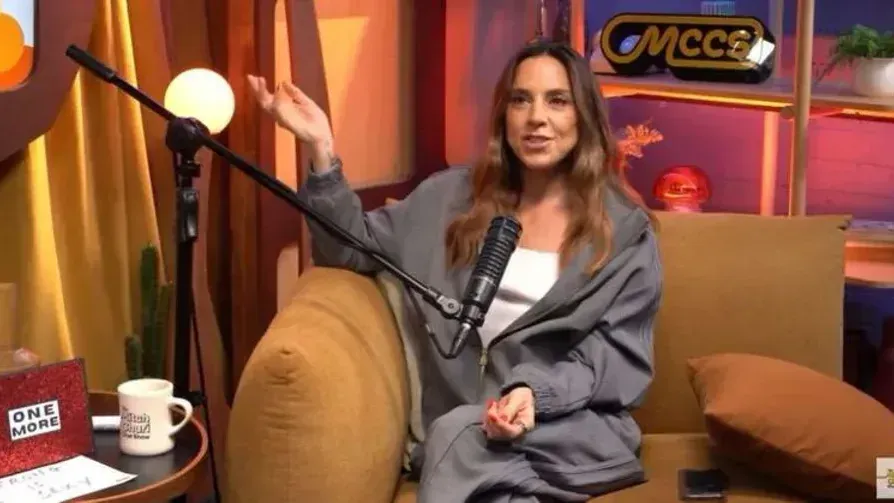
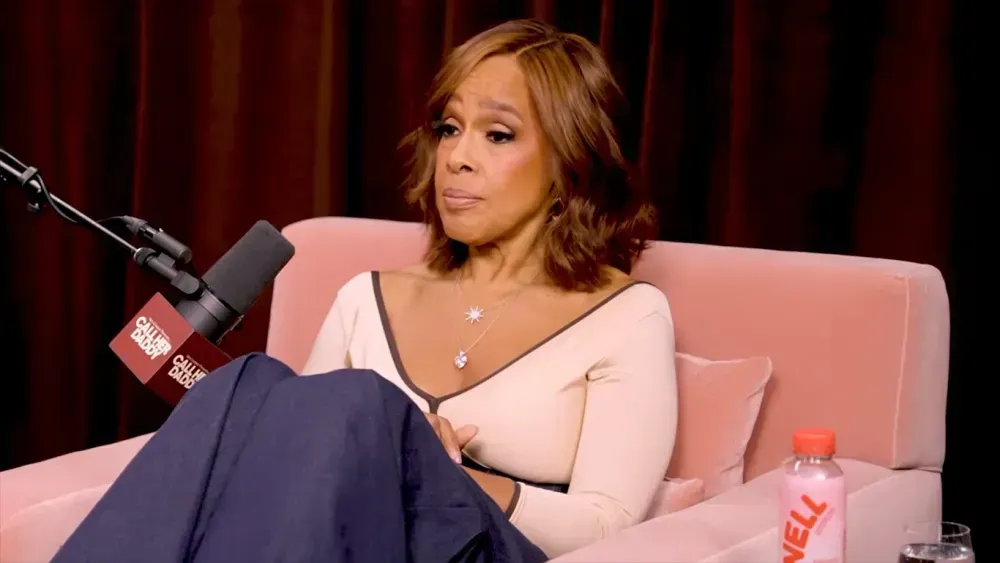
Photo Credit: The Mitch Churi Chat Show
by Chris Tremblay Jun 9
4 MIN READ
In a new conversation that has reignited long-running fan speculation, Melanie Chisholm – widely known as Melanie C or “Sporty Spice” – has addressed how her sporty image in the Spice Girls era led many people to make assumptions about her sexuality. Speaking on Australian host Mitch Churi’s video podcast, The Mitch Churi Chat Show, she explained that because each Spice Girl had a distinct persona and she was “the one who’s in the active wear,” some people simply decided she must be gay.
Melanie C said it “was assumed or suggested that I was gay,” making clear she did not personally mind people thinking she might be queer, but she objected to how those conclusions were based entirely on appearance and clothing. She described it as “a bit s—” that commentators and sections of the media felt able to label her sexuality without knowing her, adding that who someone dates is “none of their friggin’ business.”
Melanie C’s latest remarks sit within a much longer history of public and tabloid speculation about her sexuality dating back to the late 1990s, when short hair, tattoos and a muscular build led some outlets to insist she must be a lesbian. In earlier interviews from that period, she expressed anger that such coverage both stereotyped lesbians and branded her a liar when she said she was straight, arguing that journalists were projecting a narrow idea of how lesbian and bisexual women “should” look.
Over time, Melanie C has reflected on how that scrutiny affected her while also acknowledging that it helped deepen her connection with LGBTQ+ communities. In a 2022 interview promoting her memoir The Sporty One: My Life as a Spice Girl, she said she had come to “love” that people once assumed she was a lesbian because it gave her “an affinity with the gay community,” even though she had previously felt frustrated by being forced to constantly rebut claims about her orientation.
In recent years, Melanie C has described how the tone around sexuality speculation has shifted, especially compared with how tabloids treated rumours in the late 1990s and early 2000s. She has said that coverage of her during the height of the Spice Girls framed being gay almost like an “accusation,” whereas similar gossip today is often less overtly hostile, reflecting broader cultural changes around LGBTQ+ acceptance in mainstream entertainment.
Nonetheless, she continues to call out the idea that spectators are entitled to demand labels from public figures or to speculate aggressively about their identity. In a 2021 interview, Melanie C criticised what she described as dehumanising lines of questioning about her sexuality and relationship status, arguing that “whoever you want to sleep with is nobody’s business apart from your own and the person you want to sleep with,” a stance that aligns with her more recent comments about privacy on Mitch Churi’s show.
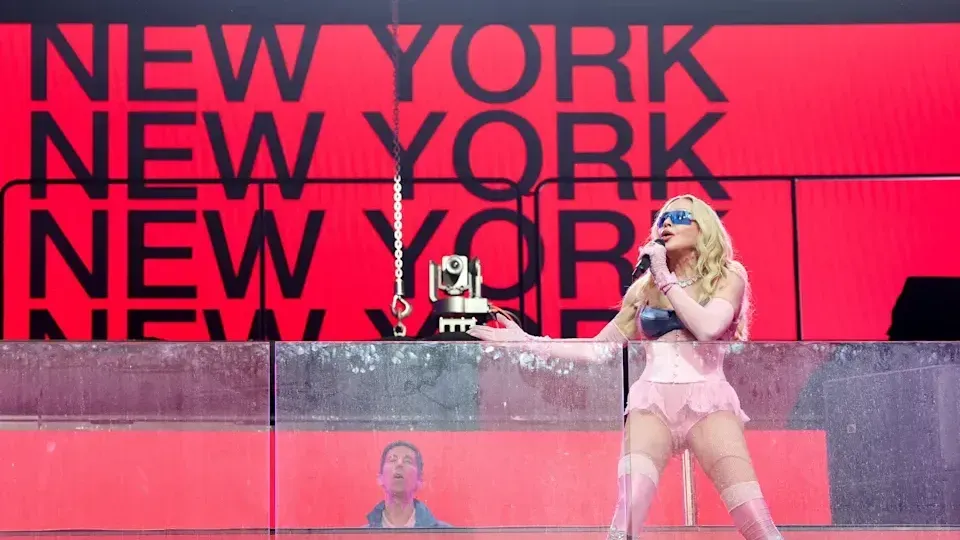
Alongside clarifying her own sexuality, Melanie C has repeatedly emphasised her role as an ally, particularly to LGBTQ+ fans who grew up with the Spice Girls and to transgender and non-binary people facing discrimination. She has performed at multiple Pride events worldwide, including WorldPride in New York and celebrations in São Paulo, often appearing with British queer performance collective Sink The Pink and explicitly dedicating her sets to trans and non-binary communities.
In a 2019 interview, she said that touring with Sink The Pink had opened her eyes to the scale of transphobia, including hate crimes and systemic barriers, especially in the UK. She spoke about learning from transgender performers and community members, stressing that people must be able to live as who they truly are rather than being forced into “miserable” or secret lives, and she has carried that message into later Pride appearances and interviews.
Melanie C has also regularly linked her personal journey with sexuality rumours to the broader LGBTQ+ following that the Spice Girls developed from the mid‑1990s onward. She has said that although the group’s original “Girl Power” slogan focused on girls and young women, the band quickly realised they were also resonating with gay men, lesbians and other queer fans, many of whom had not yet come out and found something affirming in the group’s message of inclusivity and self‑expression.
In interviews, she has described how the Spice Girls moved from talking solely about girl power to promoting a more general ethos of acceptance, saying that the group never took its LGBTQ+ fanbase for granted and always tried to be visibly welcoming. That legacy continues to influence how Melanie C approaches questions about her own identity, as she balances correcting misconceptions with a clear message that no one should be shamed or stereotyped for being gay, bi, trans, non-binary or queer.
At the heart of Melanie C’s recent clarification is a wider critique of the way popular culture still associates certain styles of dress, body types or gender expressions with particular sexual orientations. Her experience shows how women and non-binary people who present in an athletic, androgynous or “tomboyish” way are often labelled by others, sometimes even when they have not discussed their sexuality publicly or are still working it out for themselves.
By drawing attention to how unfair it felt to be defined by clothing and haircuts, Melanie C has amplified a message that many LGBTQ+ advocates have long stressed: that there is no single way to “look” lesbian, bisexual, queer or straight. Her insistence that assumptions about sexuality are both intrusive and outdated sits alongside an ongoing commitment to LGBTQ+ rights, visible in her performances at Pride events, collaborations with queer artists and outspoken support for transgender people’s safety and dignity.
A history of speculation and stereotyping
Melanie C’s latest remarks sit within a much longer history of public and tabloid speculation about her sexuality dating back to the late 1990s, when short hair, tattoos and a muscular build led some outlets to insist she must be a lesbian. In earlier interviews from that period, she expressed anger that such coverage both stereotyped lesbians and branded her a liar when she said she was straight, arguing that journalists were projecting a narrow idea of how lesbian and bisexual women “should” look.
Over time, Melanie C has reflected on how that scrutiny affected her while also acknowledging that it helped deepen her connection with LGBTQ+ communities. In a 2022 interview promoting her memoir The Sporty One: My Life as a Spice Girl, she said she had come to “love” that people once assumed she was a lesbian because it gave her “an affinity with the gay community,” even though she had previously felt frustrated by being forced to constantly rebut claims about her orientation.
From ‘accusations’ to changing culture
In recent years, Melanie C has described how the tone around sexuality speculation has shifted, especially compared with how tabloids treated rumours in the late 1990s and early 2000s. She has said that coverage of her during the height of the Spice Girls framed being gay almost like an “accusation,” whereas similar gossip today is often less overtly hostile, reflecting broader cultural changes around LGBTQ+ acceptance in mainstream entertainment.
Nonetheless, she continues to call out the idea that spectators are entitled to demand labels from public figures or to speculate aggressively about their identity. In a 2021 interview, Melanie C criticised what she described as dehumanising lines of questioning about her sexuality and relationship status, arguing that “whoever you want to sleep with is nobody’s business apart from your own and the person you want to sleep with,” a stance that aligns with her more recent comments about privacy on Mitch Churi’s show.
Allyship, Pride stages and trans-inclusive advocacy
Alongside clarifying her own sexuality, Melanie C has repeatedly emphasised her role as an ally, particularly to LGBTQ+ fans who grew up with the Spice Girls and to transgender and non-binary people facing discrimination. She has performed at multiple Pride events worldwide, including WorldPride in New York and celebrations in São Paulo, often appearing with British queer performance collective Sink The Pink and explicitly dedicating her sets to trans and non-binary communities.
In a 2019 interview, she said that touring with Sink The Pink had opened her eyes to the scale of transphobia, including hate crimes and systemic barriers, especially in the UK. She spoke about learning from transgender performers and community members, stressing that people must be able to live as who they truly are rather than being forced into “miserable” or secret lives, and she has carried that message into later Pride appearances and interviews.
The Spice Girls’ LGBTQ+ legacy
Melanie C has also regularly linked her personal journey with sexuality rumours to the broader LGBTQ+ following that the Spice Girls developed from the mid‑1990s onward. She has said that although the group’s original “Girl Power” slogan focused on girls and young women, the band quickly realised they were also resonating with gay men, lesbians and other queer fans, many of whom had not yet come out and found something affirming in the group’s message of inclusivity and self‑expression.
In interviews, she has described how the Spice Girls moved from talking solely about girl power to promoting a more general ethos of acceptance, saying that the group never took its LGBTQ+ fanbase for granted and always tried to be visibly welcoming. That legacy continues to influence how Melanie C approaches questions about her own identity, as she balances correcting misconceptions with a clear message that no one should be shamed or stereotyped for being gay, bi, trans, non-binary or queer.
Challenging the ‘look’ of sexuality
At the heart of Melanie C’s recent clarification is a wider critique of the way popular culture still associates certain styles of dress, body types or gender expressions with particular sexual orientations. Her experience shows how women and non-binary people who present in an athletic, androgynous or “tomboyish” way are often labelled by others, sometimes even when they have not discussed their sexuality publicly or are still working it out for themselves.
By drawing attention to how unfair it felt to be defined by clothing and haircuts, Melanie C has amplified a message that many LGBTQ+ advocates have long stressed: that there is no single way to “look” lesbian, bisexual, queer or straight. Her insistence that assumptions about sexuality are both intrusive and outdated sits alongside an ongoing commitment to LGBTQ+ rights, visible in her performances at Pride events, collaborations with queer artists and outspoken support for transgender people’s safety and dignity.
Copyright EDGE Media Network. All rights reserved. This material may not be published, broadcast, rewritten, or redistributed.