Ryan Reynolds Details Teen Drunk-Driving Crash That “Broke Every Bone” on His Left Side
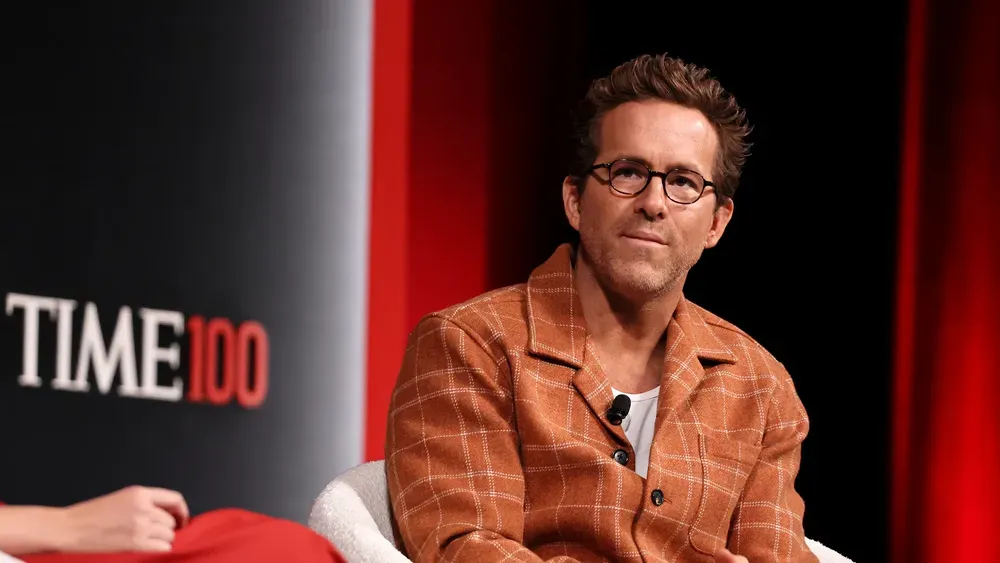
NEW YORK, NEW YORK - APRIL 23: Ryan Reynolds speaks onstage during the 2025 TIME100 Summit at Jazz at Lincoln Center on April 23, 2025 in New York City. Photo Credit: Jemal Countess
Ryan Reynolds has revisited a life-altering crash from his late teens, telling GQ that he was 18 when a drunk driver hit him as he crossed a street in Vancouver, Canada, leaving him hospitalized for weeks and with severe injuries along the entire left side of his body. The Deadpool star recounted the incident in a June 9 video segment for GQ, filmed with his Wrexham AFC co-owner Rob McElhenney, in which he described the collision as the result of another person’s impaired driving even after he had made the decision not to drive himself.
“Broke every bone in my left side”
Reynolds tells McElhenney that as he started to cross the street, a drunk driver ran into him with such force that the car was rendered inoperable by the impact. He says the crash “broke every bone in my left side” and required a lengthy hospitalization while he recovered from extensive injuries, a description that aligns with earlier accounts he has given in other interviews about the same incident.
In Spanish coverage of the interview, Reynolds is reported as saying that all the bones on his left side were broken and that he spent more than four weeks in the hospital, describing ongoing physical consequences and jokingly calling himself “a walking disaster.” Separate reporting on his past comments indicates he has previously said he was unconscious for around three days following the accident, waking to find his father at his bedside.
Four weeks in hospital and Canada’s health system
Reynolds states in the GQ conversation that he spent about four weeks in the hospital recovering from the crash, emphasizing the scale of his injuries and the length of his stay. He locates the incident at Vancouver General Hospital and uses the story to praise both a specific physician, identified as Dr. Meek, and Canada’s publicly funded healthcare system.
In interviews cited by Spanish and lifestyle outlets, Reynolds is quoted thanking Dr. Meek “for putting me back together so kindly,” adding in a joking aside that under socialized medicine the doctor “couldn’t say no,” a reference to Canada’s publicly funded system. These remarks echo earlier comments he made in Canadian media, where he described waking up in the hospital after days of unconsciousness, finding his father nearby, and sharing a darkly humorous anecdote about having vomited on him while still unconscious.
A long-running theme in Reynolds’s public narrative
Reynolds has discussed the crash in previous interviews, including a conversation in which he recalled being 19 in Vancouver, deciding not to drive after drinking and then being struck by a drunk driver while walking home, realizing the next day “every bone in my left side was broken.” Those earlier accounts underscore that the story he shares in 2026 is a continuation of a long-standing narrative about a formative traumatic event rather than a new revelation, even as the recent GQ segment has given it fresh visibility.
Coverage of the new interview notes that the video, framed playfully around a “furniture-building challenge” with McElhenney, shifts in tone when Reynolds brings up the crash, contrasting the light format with the gravity of his memories. Entertainment outlets highlight that the story offers a rare look behind the actor’s often comedic public persona, revealing how a near-fatal event shaped his relationship to risk, health, and the unpredictability of life.
A cautionary tale about impaired driving
Although Reynolds does not position the GQ anecdote as part of a formal campaign, the core of his story is about the consequences of impaired driving and the limits of individual caution when others choose to drive under the influence. He notes that he had attempted to act responsibly by leaving his car behind after drinking, yet still suffered severe injury because another driver did not make a similar choice.
The story arrives in a broader context in which public health agencies and road safety advocates continue to stress that alcohol and other substances can significantly impair driving ability and increase the risk of severe crashes, although Reynolds himself does not cite specific statistics or campaigns in the interview. Coverage of his remarks emphasizes the message that avoiding impaired driving protects not only the person behind the wheel but also people walking, cycling, or sharing the road.
Life after trauma and Reynolds’s outlook
In addition to talking about the crash itself, Reynolds reflects on how the experience informs his outlook, referencing an old proverb: “Who knows what is good or bad?” to illustrate his belief that events often defy simple labels in the moment. He ties that reflection to a broader sense that plans rarely unfold exactly as expected, and that surviving such an incident has shaped his perspective on unpredictability and resilience.
Spanish media note that Reynolds continues to maintain an active lifestyle, including regular physical activity and work commitments, while also describing lingering effects from the injuries and the sense that his relationship with his body changed after the crash. Lifestyle outlets describe him as balancing a demanding career with family life alongside his wife, actor Blake Lively, and their children, portraying a recovery that encompasses both physical healing and longer-term adjustment.
Public response and renewed attention
News of Reynolds’s latest retelling has circulated across international entertainment and news outlets, from India-based publications to Spanish-language media, underscoring his global profile and the cross-border resonance of stories about road safety and survival. Coverage consistently centers his account of choosing not to drive after drinking and the subsequent crash, amplifying a narrative in which a well-known figure uses his platform to highlight the far-reaching impact of impaired driving.
While Reynolds has not formally linked this story to a specific organization or campaign in the latest interview, public reaction online often situates his remarks within ongoing conversations about road safety, substance use, and how celebrities publicly engage with themes of trauma and recovery. In this context, his detailed account of the crash, his gratitude toward healthcare workers, and his reflections on unpredictability collectively form a narrative that underscores the stakes of choices made by drivers and the support systems that help survivors rebuild.
Copyright EDGE Media Network. All rights reserved. This material may not be published, broadcast, rewritten, or redistributed.