Ariana Grande Launches Brighter Days Ahead Foundation After Rebuking White House Over ICE Video
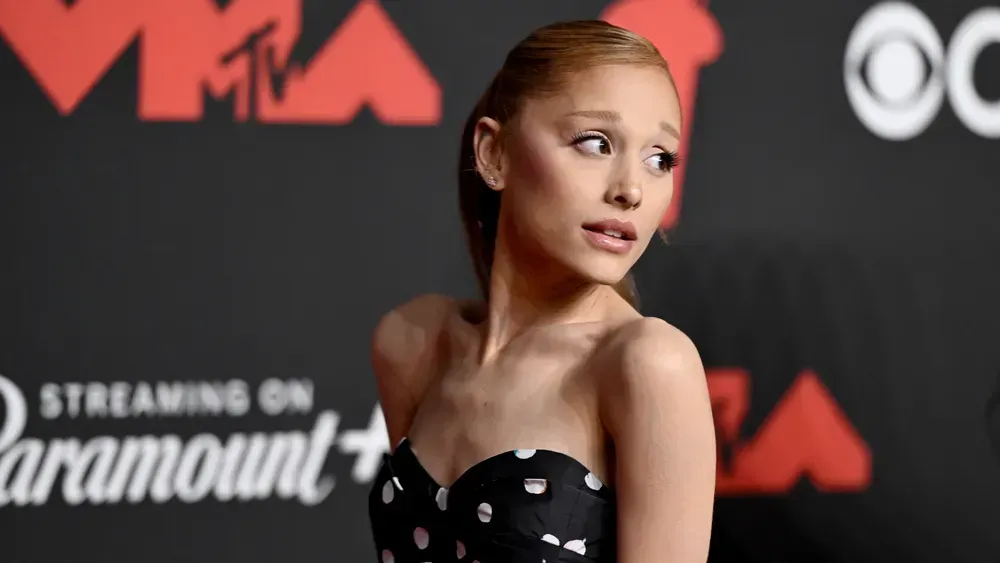
Ariana Grande attends the 2025 MTV Video Music Awards at UBS Arena on September 07, 2025 in Elmont, New York. Photo Credit: Noam Galai/Getty Images for MTV
Earlier this week, the official White House TikTok account posted a video promoting the Trump administration’s immigration enforcement policies, featuring clips of U.S. Immigration and Customs Enforcement agents handcuffing people while Ariana Grande’s 2024 song “Bye” played in the background. The video’s caption read “Bye-bye 👋 President Trump has delivered the most secure border in history,” explicitly tying the track to a message celebrating expanded immigration crackdowns.
In a statement reported by multiple outlets, a White House spokesperson defended the video and criticized Grande’s remarks, arguing that what is “barbaric, inhumane, and heinous” are crimes committed by “criminal illegal aliens,” while framing the enforcement clip as a public safety message. The dispute places Grande among a list of artists, including other pop and rock performers, who have objected to their music being used at Trump campaign events or in official administration media without their approval.
Launching Brighter Days Ahead Foundation
One day after her public objection gained widespread coverage, Grande formally unveiled the Brighter Days Ahead Foundation, a new philanthropic vehicle intended to support several marginalized and vulnerable communities. According to the foundation and multiple entertainment outlets, the organization aims to “uplift and directly fund small organizations that provide protection, support, and vital resources” across areas including immigrant justice, LGBTQ+ rights, mental health, reproductive rights, and emergency relief.
The foundation’s official website states that Brighter Days Ahead is “founded by Ariana Grande” and highlights a mission to channel resources into community-based organizations through several targeted funds. Coverage in People and Entertainment Weekly notes that Grande described the initiative as a way to expand her longstanding philanthropic support into a more structured framework capable of providing sustained backing to groups working “on the front lines” of civil rights, mental health, and emergency support.
In a press release quoted by multiple outlets, Grande said she was “thrilled” to announce the Brighter Days Ahead Foundation and emphasized that its funds would help “protect, support, and provide resources” to “vulnerable friends in need.” She also framed the foundation as an extension of years of individual giving, expressing gratitude for the opportunity to “broaden that impact and enhance the life-saving efforts” of the organizations involved.
Four funds, with immigrants at the center
The Brighter Days Ahead Foundation channels its support through four main funds: Protect & Defend, Heal & Dream, Seen & Celebrated, and an Emergency Support Fund. People reports that the Protect & Defend Fund will support organizations advocating for LGBTQ+ rights, civil rights, and reproductive rights, while also including groups that provide legal support and bond assistance to immigrants facing detention and deportation.
The foundation’s site describes a Defending Our Neighbors Fund within its portfolio, aiming to “raise and deploy funds for organizations that provide legal representation and bond assistance to immigrants facing detention and deportation,” directly linking the initiative to immigrant support. People notes that Defending Our Neighbors and similar grantees “financially support immigrant families who are being targeted unjustly,” positioning immigrant communities as a key focus of the Protect & Defend resources.
Other Protect & Defend grantees include organizations such as G.L.I.T.S., Lambda Legal, Transgender Law Center, and the Trans Youth Emergency Project, which advocate for civil rights and provide services to LGBTQ+ people, including transgender people and queer youth. The Independent further reports that Brighter Days Ahead has also provided support to international organizations such as the Palestine Children’s Relief Fund, reflecting a broader human rights scope that intersects with displacement and conflict.
The Heal & Dream Fund focuses on expanding access to mental health resources and community-based care, including support for Trans Lifeline, Backline, the National Queer & Trans Therapists of Color Network, and youth mental health charity Jack.org. The Seen & Celebrated Fund is designed to amplify LGBTQ+ narratives and stories, while the Emergency Support Fund is intended to “meet urgent moments with aid and resources, providing rapid support and relief during times of collective need,” covering crises that may include displacement, violence, and other emergencies affecting marginalized communities.
Clashing narratives on immigration and rights
The timing of the Brighter Days Ahead announcement, coming just days after the viral TikTok dispute, has drawn attention to how celebrities use their platforms to respond to government messaging on immigration enforcement. Entertainment Weekly notes that Grande’s move “clearly” distances her from the administration’s immigration policies while embracing charitable efforts that give material support to immigrants and other communities disproportionately affected by enforcement and exclusion.
Coverage from CiberCuba and other outlets emphasizes that the White House video showed people being detained in immigration raids, set against celebratory captions about border security, which critics say dehumanize immigrants and people in mixed‑status families. By contrast, the Defending Our Neighbors Fund and related grantees seek to ensure immigrants facing detention or deportation can access legal representation and financial support for bond, which advocates describe as essential for keeping families together and avoiding prolonged detention while cases proceed.
The Independent points out that Brighter Days Ahead specifically foregrounds LGBTQ+ rights, mental health care, and reproductive justice, recognizing that many immigrants, including LGBTQ+ immigrants and asylum seekers, navigate overlapping barriers related to status, safety, and access to affirming services. This intersectional design situates immigrant support within a wider landscape of civil rights and health equity, focusing on people who face multiple forms of marginalization, from anti-immigrant rhetoric to anti-LGBTQ+ policies and gaps in mental health care.
Music, consent, and political messaging
Grande’s confrontation with the White House adds another high-profile example to a pattern of artists objecting to the political use of their music without explicit consent. CiberCuba notes that other performers, including Sabrina Carpenter, Olivia Rodrigo, SZA, Billie Eilish, Lady Gaga, and MGMT, have publicly protested their music being used in immigration or enforcement-related content by the Trump administration or its agencies without approval.
Reports from Reuters and BBC explain that while political entities may sometimes rely on blanket licenses for public performance, artists frequently argue that such uses can imply endorsement and conflict with their ethical or political positions on issues such as immigration, policing, and LGBTQ+ rights. In Grande’s case, her team reportedly sought to use copyright tools to have the audio removed from the White House TikTok, resulting in the clip being muted and, in some instances, taken down or reposted without sound.
Online, discussion has also highlighted that the same song, “Bye,” has been used by Brighter Days Ahead Foundation content in posts about emergency support funds for immigrant families, underscoring the contrast between the artist’s charitable messaging and the administration’s enforcement-focused video. That juxtaposition has become a focal point in debates about narrative control, with Grande’s foundation emphasizing care, safety, and legal support for immigrants, while the White House’s original TikTok emphasized the spectacle of arrests in the name of border security.
What comes next for Brighter Days Ahead
The Brighter Days Ahead Foundation is currently accepting donations through its official website, including proceeds from a branded black hoodie with a slogan about “funding efforts to support our friends in need,” which directs merchandise revenue toward the foundation’s funds. Entertainment Weekly notes that three of the four primary funds have already begun distributing grants to partner organizations, with the Emergency Support Fund available to respond quickly to emergent crises that impact communities the foundation aims to serve.
People’s coverage underscores that Grande has previously supported many of the beneficiary organizations, and that the foundation formalizes those relationships while potentially increasing the scale and consistency of financial support for immigrant rights groups, LGBTQ+ advocates, and mental health providers. The Independent adds that early grantees span both U.S.-based and international nonprofits, suggesting an ongoing emphasis on cross-border solidarity and community resilience in the face of displacement, discrimination, and violence.
As legal and political debates continue over how music is used in government and campaign media, the launch of Brighter Days Ahead foregrounds a different set of questions about responsibility, consent, and support for people directly affected by immigration enforcement. By pairing a public rebuke of the administration’s TikTok with a structured philanthropic initiative centered on immigrants, LGBTQ+ communities, and mental health access, Grande has turned a dispute about unauthorized music use into a high-visibility moment for funding organizations that provide legal aid, crisis support, and affirming care to people most affected by the policies featured in the video.
Copyright EDGE Media Network. All rights reserved. This material may not be published, broadcast, rewritten, or redistributed.