Tyra Banks Sues Netflix and Filmmakers, Alleging ‘Top Model’ Docuseries Defamed Her and Twisted Assault Storyline
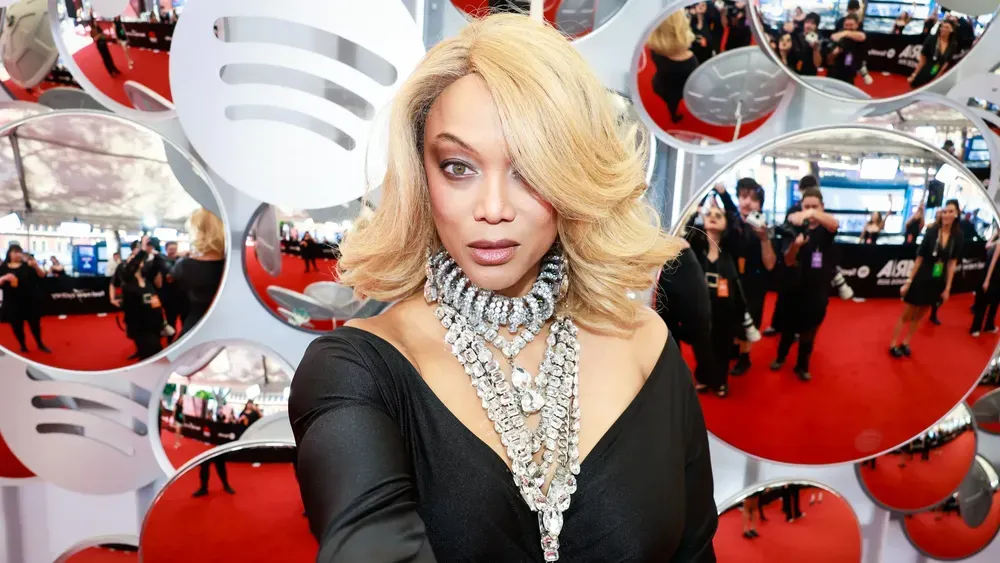
SYDNEY, AUSTRALIA - NOVEMBER 19: Tyra Banks attends the 2025 ARIA Awards at Hordern Pavilion at Hordern Pavilion on November 19, 2025 in Sydney, Australia.Photo Credit: Hanna Lassen
Tyra Banks has filed a defamation lawsuit in federal court against Netflix, documentary directors Mor Loushy and Daniel Sivan, and production company EverWonder Studio over the three-part docuseries “Reality Check: Inside America’s Next Top Model.” The complaint, filed on Saturday, June 13, in the U.S. District Court for the Central District of California, accuses the defendants of defamation by implication, placing Banks in a false light, breaching key provisions of a rights agreement, and falsely suggesting her endorsement of the series’ soundtrack.
Background and context
“Reality Check: Inside America’s Next Top Model” is a three-part documentary released on Netflix earlier this year that revisits the long‑running reality competition “America’s Next Top Model,” which Banks created, produced, and hosted for much of its run. The docuseries examines both the global influence of the show and its controversies, including episodes that LGBTQ+ viewers and advocates have criticized in recent years for reinforcing narrow beauty standards and occasionally framing queer and gender‑nonconforming contestants through a sensationalized lens.
Banks participated in the project by sitting for what she describes as a three‑and‑a‑half‑hour interview about the series’ legacy, including criticism of past creative and production choices. In court documents, she says she used that time to acknowledge missteps, to reflect on decisions she would change, and to discuss how reality television norms have evolved around issues such as body image, race, and representation of LGBTQ+ contestants and judges.
Banks’ claims about ‘selective editing’ and assault narrative
Central to Banks’ lawsuit is the allegation that only about 16 minutes of her multi‑hour interview ultimately appeared in the final cut of “Reality Check,” and that this material was “stripped of context and reassembled” to support a narrative very different from what she intended to communicate. The lawsuit contends that producers used “selective editing, deliberate omission, and surgical manipulation of continuous footage” to imply that Banks knowingly allowed a contestant to be sexually assaulted during filming, exploited that trauma to boost ratings, and later could not recall the incident when asked.
The contested storyline centers on former Cycle 2 contestant Shandi Sullivan, whose experience during a 2003 trip to Milan is framed in the docuseries as a sexual assault, according to descriptions referenced in the complaint. Banks asserts in her filing that she was unaware Sullivan categorized what happened as sexual assault and that, during her interview, she was not told that the documentary would depict the incident in those terms or suggest she had knowingly allowed harm to occur.
In the lawsuit, Banks argues that the editing choices wrongly convey to viewers that she prioritized ratings over the safety and well‑being of a contestant, a portrayal she describes as a “complete fabrication.” The complaint also states that segments of Banks’ interview were “decontextualized and rearranged” to make it appear as if she was directly responding to questions about the alleged assault when, she claims, she had not been informed of Sullivan’s characterization of the incident as sexual violence.
Alleged impact on Banks’ career and business ventures
Banks states that the fallout from the docuseries has harmed not only her public reputation but also her current businesses, including SMiZE & DREAM, an ice‑cream venture based in Sydney, Australia. According to the lawsuit, online ratings for SMiZE & DREAM have “deteriorated” since the documentary’s release, which Banks links to the renewed scrutiny and criticism sparked by the series’ portrayal of her decisions on “America’s Next Top Model.”
The suit claims that this alleged misrepresentation has caused “serious harm and damage” to Banks’ personal brand, which has evolved over decades to encompass modeling, television production, entrepreneurship, and mentorship, including work with emerging talent from diverse racial, cultural, and LGBTQ+ backgrounds. In addition to financial losses, Banks says she has experienced significant mental anguish from what she characterizes as a misleading depiction broadcast to a global Netflix audience.
Contract and false endorsement allegations
Beyond defamation, Banks alleges the filmmakers violated specific clauses in a rights agreement designed to limit how her participation and likeness could be used in the project. The complaint references what it describes as a “no‑defamation” clause and a “no‑word‑placement” clause, arguing that these were “essential obligations” of the parties’ agreement and that they were breached before and at the time the Netflix series was released.
Banks also accuses Netflix and EverWonder of false endorsement, saying her image was used in promotional materials and on the soundtrack album cover in a way that could lead audiences to believe she fully approved of and endorsed the documentary as released. The suit seeks an injunction barring Netflix from using her likeness in connection with the soundtrack and, more broadly, aims to prevent what she characterizes as misleading associations between her brand and the contested narrative.
Silence so far from Netflix and filmmakers
As of mid‑June, major outlets reporting on the lawsuit have not published any detailed public response from Netflix, EverWonder Studio, or directors Mor Loushy and Daniel Sivan to Banks’ allegations. Coverage notes that Netflix declined or did not immediately respond to requests for comment when contacted about the filing, leaving Banks’ complaint as the primary publicly available account of the dispute at this stage.
Legal experts quoted in broader industry reporting about defamation litigation involving entertainment projects say such cases often turn on what a “reasonable viewer” would infer from the editing and context of a film or series, though specific expert commentary on Banks’ case has not yet been widely published. At present, there is no trial date publicly set in the court documents cited by outlets, and the defendants’ formal legal responses are expected to further clarify their position on editorial choices in the documentary.
Implications for reality TV, consent, and survivor narratives
The lawsuit arrives amid ongoing public debate about how reality television portrays power dynamics, consent, and survivor narratives, including those involving women, LGBTQ+ contestants, and other marginalized participants in high‑pressure formats. In recent years, “America’s Next Top Model” has been re‑examined by fans, former contestants, and critics who have raised concerns about how episodes handled topics such as race, body size, queerness, and gender expression, often in ways that now draw scrutiny for reinforcing stereotypes or glamorizing distress.
While Banks’ complaint focuses on the alleged misrepresentation of her own words and knowledge, the underlying incident involving Shandi Sullivan underscores broader questions about how productions document, frame, and respond to experiences that participants later describe as sexual assault or boundary violations. Advocates for survivors and for safer working conditions in entertainment have long urged producers and networks to adopt trauma‑informed standards, including clear reporting pathways, consent protocols for intimate scenarios, and careful collaboration with participants when their stories involve sexual violence, regardless of the participants’ gender or sexual orientation.
Editing ethics, docuseries, and public perception
Banks’ allegations also speak to a broader conversation about ethics in documentary storytelling and docuseries editing practices, especially when projects revisit older reality shows that included queer contestants, gender‑nonconforming people, and other communities now demanding more accountable representation. The lawsuit argues that, because viewers were told they were watching a documentary, they approached the series expecting a level of completeness and context that, in Banks’ view, was not honored in how her interview was presented.
If the case proceeds, it may test how U.S. courts balance filmmakers’ editorial discretion and the First Amendment against claims that editing choices can cross into actionable defamation when they allegedly convey a false implication about someone’s knowledge, intent, or complicity in harm. For audiences, including LGBTQ+ viewers who have grappled with both the influence and the harms of “America’s Next Top Model,” the lawsuit underscores how much power editing holds over how histories of fashion, gender, and reality television are remembered.
Copyright EDGE Media Network. All rights reserved. This material may not be published, broadcast, rewritten, or redistributed.