Keke Palmer Says Teenage Fame Was the ‘Darkest’ Period of Her Life, Describes Feeling ‘Traumatized by Fame’
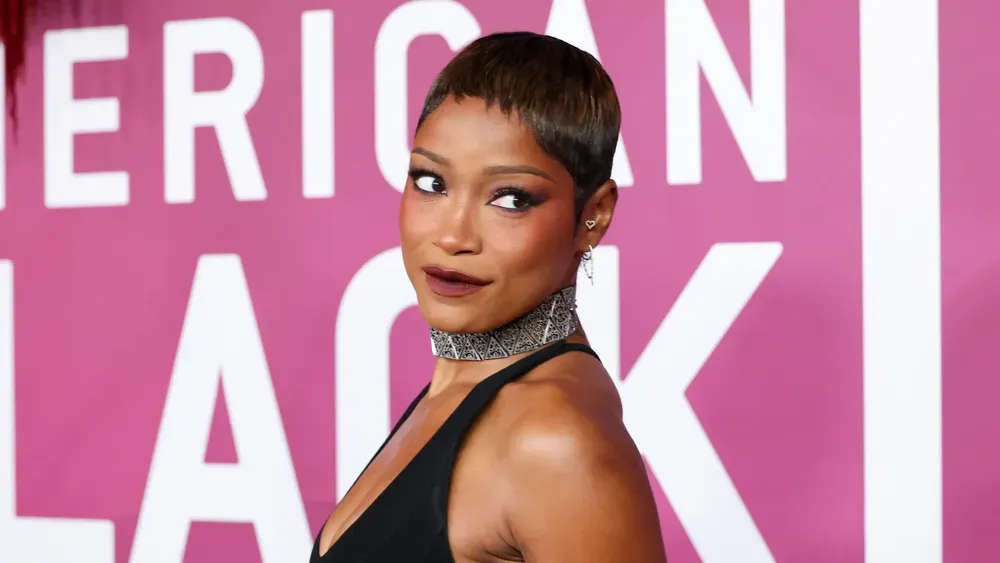
LOS ANGELES, CALIFORNIA - FEBRUARY 16: Keke Palmer attends the 8th annual American Black Film Festival Honors at SLS Hotel, a Luxury Collection Hotel, Beverly Hills on February 16, 2026 in Los Angeles, California.Photo Credit: Frazer Harrison
Actor, singer, and producer Keke Palmer has described her teenage years in the spotlight as the “darkest” period of her life, saying that she and her family were “traumatized by fame” during the height of her early career. Speaking at the Tribeca Festival’s Storytellers series in New York alongside Whoopi Goldberg on June 8, Palmer said that while her childhood success brought opportunity, it also created an isolating environment that left her feeling deeply sad and disconnected from those around her.
‘The darkest’ time of her life
During the Tribeca discussion, Palmer told Goldberg that the “darkest” period of her life dated back to her teen years, when she was working steadily and gaining widespread recognition through projects such as “True Jackson, VP” and other high-profile roles. She described a time when her external image sharply diverged from her internal reality, recalling that people wanted her to appear “happy and smiling” while she was privately overwhelmed and struggling.
Palmer said she felt that those around her were mainly interested in her upbeat persona, not in how she truly felt, which intensified her sense of isolation. She recalled being “so sad” that the pain eventually turned into numbness, describing sitting alone in her room as a teenager and realizing that people seemed more invested in her public image than in her emotional well-being.
‘We were all being traumatized by fame’
In the Tribeca conversation, Palmer emphasized that the pressures of celebrity affected her entire family, not just her as the person in front of the camera. She said there was a period when “we were all being traumatized by fame,” but noted that her relatives had “a more relatable experience to the trauma of the fame” than she did, because she was the star and they were “in the star shadow.”
While Palmer has previously praised her family as “awesome,” she explained that the dynamics of sudden success created stress and confusion for everyone, and that no one in the household fully understood the unique pressures she faced as the one constantly in the public eye. Her comments are consistent with earlier interviews in which she described fame as a shock to her family’s system, citing experiences like being suddenly surrounded by large crowds in public spaces and realizing that her income at a young age carried enormous expectations.
Building a ‘protective’ persona
Palmer told the Tribeca audience that, in response to these pressures, she developed a kind of protective persona to shield herself from the emotional strain of being constantly watched and evaluated. She suggested that this persona helped her function within the entertainment industry but also led her to lock away parts of herself, creating distance between her authentic emotions and the version of herself that others expected to see.
In previous conversations, Palmer has likened child stardom to being treated as a commodity, saying that systems around children on networks like Disney and Nickelodeon can be “dehumanizing” because they are designed to maximize output rather than support young people’s holistic development. These reflections connect her current comments about a constructed persona to a longer-running critique of an industry that often encourages young entertainers to prioritize performance and productivity over their own mental health.
Earlier disclosures of trauma and mental health struggles
Palmer’s latest remarks at Tribeca echo earlier disclosures she has made about trauma, depression, and anxiety rooted in her childhood and teen years, including experiences unrelated to but intensified by her fame. In a 2024 People cover story tied to her upcoming book “Master of Me: The Secret to Controlling Your Narrative,” she revealed that she survived child-on-child sexual abuse at around age 5 and that the impact of that experience became clearer to her around age 12.
She linked that early trauma, combined with the pressure of being a child entertainer and family breadwinner, to “a lot of anxiety, a lot of stress, a lot of depression” throughout her youth. Palmer has also spoken about how the financial and emotional weight of supporting her family at a young age complicated her ability to process her feelings, contributing to periods when she felt out of control and unsure how to advocate for herself.
Industry pressures, exploitation, and relationships
Beyond the general stress of fame, Palmer has described specific situations that intensified the difficulties of her teenage years, including a relationship with an adult man while she was still a minor. In that 2024 interview, she recounted dating a 20-year-old when she was 15 during the period she was starring in “True Jackson, VP,” later writing in her book that the power imbalance “put me in a place that harmed me in ways I couldn’t have known.”
More recently, she has said that reaching the age her older partner was at the time allowed her to see the relationship as exploitative, framing it as part of a broader pattern of adults failing to fully protect or advocate for young performers in the industry. In discussions about her past, she has tied that dynamic to concerns that child stars, including girls and gender-diverse young people, can be especially vulnerable to manipulation because they are treated as professionals long before they have the power or knowledge to set boundaries.
The mental health toll of being a ‘product’
Palmer has repeatedly connected her personal story to the wider mental health toll experienced by many former child stars, noting that what she went through is not unique. In earlier interviews, she has described the systems surrounding child entertainers as “no machinery more dehumanizing,” stressing that children in such environments are often treated as “a product” rather than as whole, developing people who need support, privacy, and room to make mistakes.
She has also spoken about periods of significant depression and anxiety that she traces in part to having “so much responsibility at a young age” and lacking the tools to process her emotions amid constant work and public scrutiny. These reflections align with her description at Tribeca of feeling alone and numb as a teen, even while maintaining a polished public image as a charismatic television star and vocalist.
Public narrative, identity, and reclaiming control
In recent years, Palmer has focused on reclaiming control over her narrative, including through memoir, interviews, and her own media platforms. Her upcoming book “Master of Me” centers on what she calls “controlling your narrative,” and her press appearances surrounding the project have highlighted her efforts to speak openly about trauma, healing, and boundaries without allowing those experiences to define her entire identity.
Palmer has also addressed how public fascination with her personal life, including a highly scrutinized past relationship and legal actions she has taken, has at times overshadowed her artistry, something she has said she “hated” because it placed her “personal junk” at the center of coverage of her career. By framing her teenage years as a dark period marked by trauma and dehumanizing pressures, she is now foregrounding her own perspective, situating her story within broader conversations about safety, consent, and mental health for young people in entertainment.
A broader conversation about child stardom and care
Palmer’s comments arrive amid renewed public discussion about how child entertainers are treated, including calls for stronger legal protections, mental health support, and accountability for adults and institutions that profit from their labor. While Palmer did not frame her Tribeca remarks as a policy argument, her account of feeling alone, overburdened, and “traumatized by fame” reinforces concerns raised by other former child stars who say their early careers left lasting psychological scars.
Her narrative also intersects with ongoing cultural conversations about supporting young people — including LGBTQ+ youth and other marginalized communities within entertainment — whose experiences of visibility, pressure, and scrutiny can be particularly intense. Palmer’s willingness to speak candidly about her past contributes to a growing body of testimony from artists challenging the idea that early fame is purely glamorous, and calling for systems that center the well-being and autonomy of children rather than their marketability.
Looking ahead
As Palmer continues to expand her career as an actor, musician, producer, and author, her reflections on the “darkest” years of her life function as both a personal reckoning and a public record of the costs behind her success. She has credited therapy and self-reflection with helping her process what she endured and with giving her language to describe experiences that once left her feeling powerless or misunderstood.
By naming fame itself as a source of trauma and underscoring that her teenage years were far more painful than they may have appeared to observers, Palmer adds new depth to public understanding of her journey from child star to adult multi-hyphenate. Her latest comments at Tribeca, combined with her ongoing work and forthcoming book, suggest that revisiting that darkness is part of an ongoing effort to define her story on her own terms — and to invite more transparent, compassionate conversations about what young performers need to thrive.
Copyright EDGE Media Network. All rights reserved. This material may not be published, broadcast, rewritten, or redistributed.